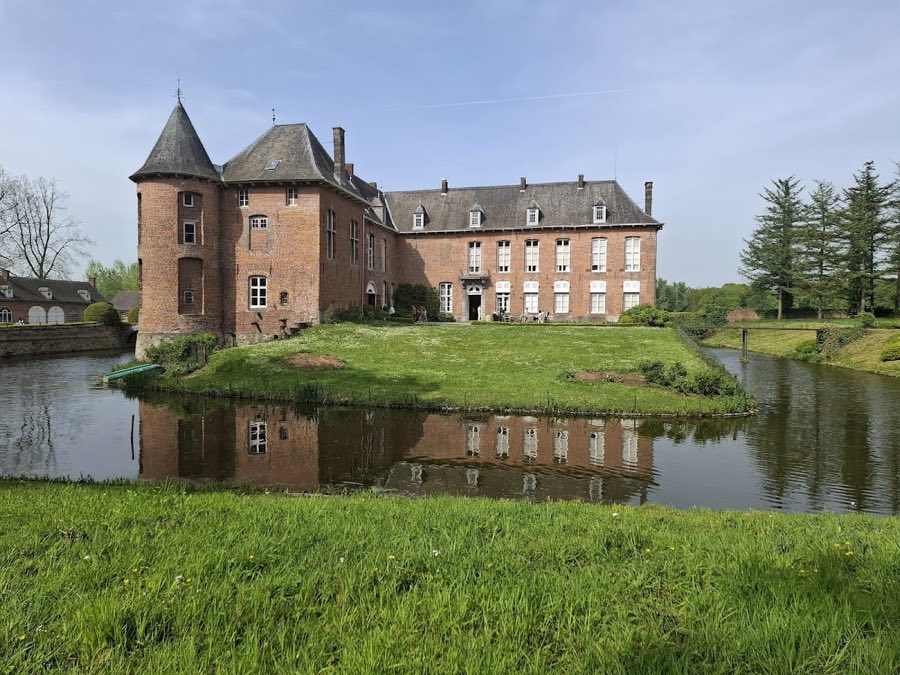
No. 64412
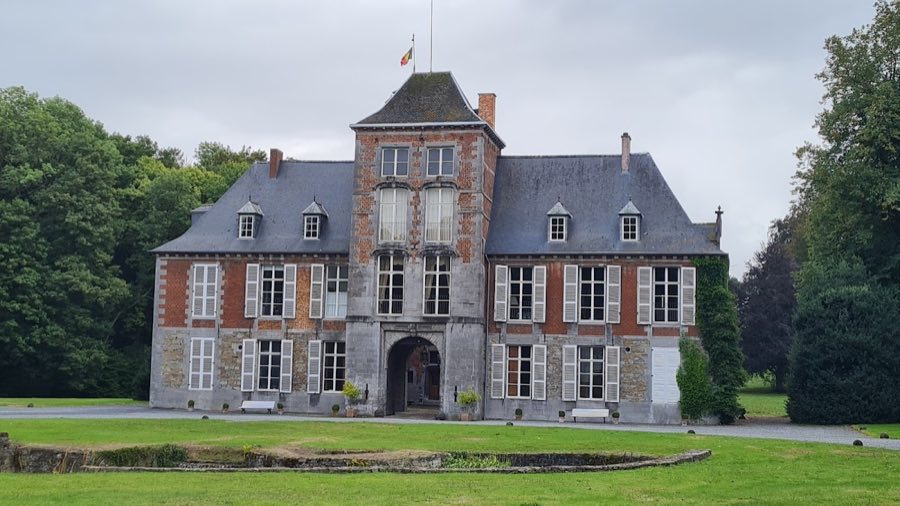
Castle of l'Estriverie
Belgium
CastleIntact14th century
No. 80949
Château · Belgium
No. 80949 · 50.608 N, 3.842 E
For events
Attre Castle is marked as a château or castle venue lead. Capacity, indoor/outdoor spaces, catering rules, and accommodation options are published only after public verification.
Event types: Private events, Cultural gatherings, Filming and photography
Quick summary
Attre Castle is a château in Belgium with origins associated with the 18th century.
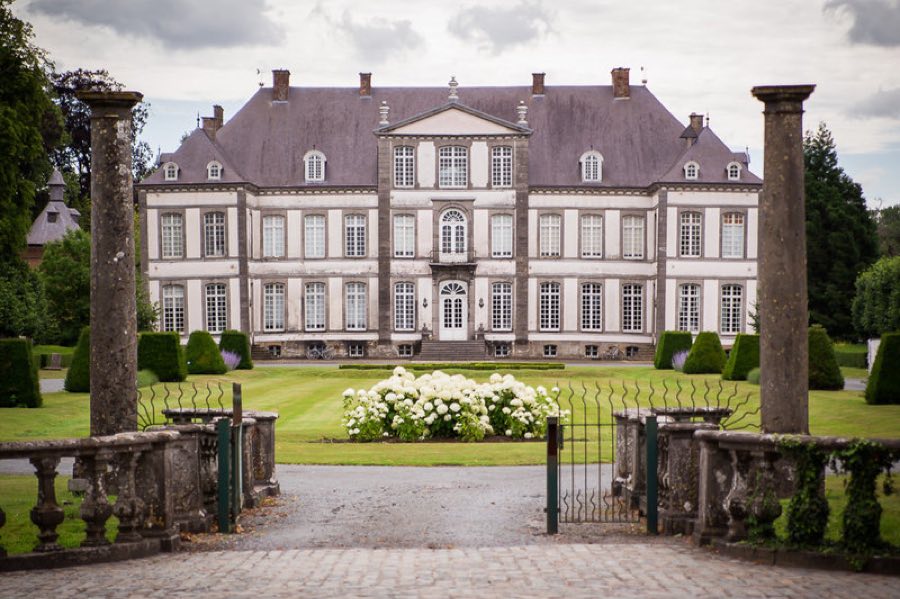
See all castles in BelgiumAttre Castle in Brugelette, Belgium, is an 18th-century country house erected by the noble Franeau d’Hyon family on the site of an earlier medieval fortress. Built in the neo‑classical manner and finished in 1752, the house stands on foundations belonging to the family since the early 16th century and contains interiors and furnishings that reflect the tastes of the ancien régime. The estate acquired regional importance through its architecture, its preserved decorative ensemble, and its connections to the imperial court of the late 18th century.
The property traces its lineage back to a medieval castle that came into the family’s possession in 1520. In the mid‑1700s Count François‑Philippe Franeau d’Hyon replaced the older stronghold with the present residence; the structural phase of that reconstruction concluded in 1752, and the count died three years later. After the main work he embarked upon, the style shifted from fortress to elegant country seat in keeping with contemporary aristocratic practice.
Interior decoration occupied the next generation. François Ferdinand Franeau d’Hyon, the builder’s son and chamberlain at the court of Emperor Joseph II, oversaw a long programme of interior work that extended for more than thirty years before reaching completion. The rooms were dressed in French fashions of the Louis XV period, and original fittings and wall coverings were retained.
During the 1780s the château hosted high court visitors. Archduchess Marie‑Christina, sister of Joseph II and governess of the Netherlands, and her husband Albert of Saxony came frequently to Attre to hunt between 1782 and 1788. To aid their activity an artificial rock capped by a small pavilion was established in the park as a vantage point.
In 1814 the estate passed by marriage into the du Val de Beaulieu family, and it later came into the hands of the de Meester de Heyndonck family, who remain the owners today. The château has been recognised as a major heritage site of Wallonia. Over time the small Dendre Orientale stream produced landslides that weakened the buildings; substantial consolidation work was undertaken to stabilise the site, and the side towers now have an outwardly leaning appearance as a result of those events and the repairs that followed.
The château presents a balanced, mid‑18th‑century neo‑classical composition, set within a landscaped park. The central portion of the main façade projects slightly and is finished with a triangular pediment, while the corners of the house terminate in paired pavilion volumes. The entrance leads into a vestibule that also served as a private chapel and contains a sweeping interior staircase designed by a noted architect of the period.
Inside, the principal rooms display French Louis XV decorative language. Much of the period decoration survives intact, including original furniture and wall coverings such as historic wallpaper. The house contains a notable collection of paintings and decorative works, among them still lifes by Frans Snyders and landscape or architectural scenes by Hubert Robert.
At the approach to the estate four freestanding columns, arranged as two on each side of the road, derive from the former Abbey of Cambron’s rood screen, the raised divider between the church nave and its sanctuary. These reused elements mark a visible link between the château and the monastic landscape of the region.
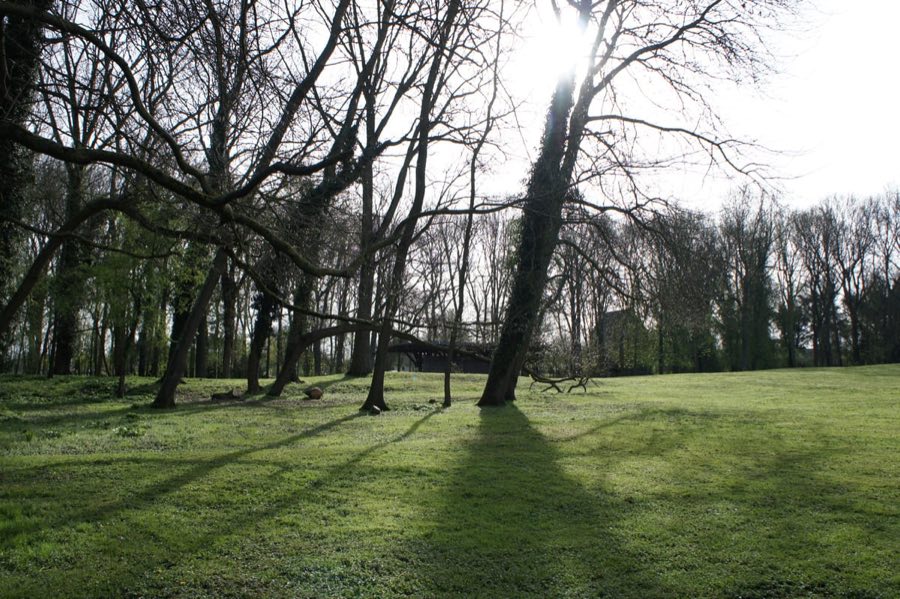
The grounds cover roughly seventeen hectares and are crossed by the Dendre Orientale stream. Park features include a dovecote of the 17th century, and the dramatic artificial rock called le Rocher, which rises to about 24 metres and contains subterranean corridors beneath a small pavilion. Scattered around the landscape are other garden constructions and playfully picturesque buildings recorded at the site: the ruined Belvédère tower, a hermitage, the Vignou tower, a Swiss‑style chalet, and a bath pavilion.
Condition varies by element. The main house retains its interior ensemble and many original fittings, while stabilisation work has been necessary where stream‑borne landslips affected foundations and embankments; the side towers now present a noticeably outward tilt following those episodes and the subsequent consolidation.
No. 64412
No. 92320
No. 67781
No. 45901
Comments
Comments for Attre Castle will require a verified account before posting.
We'll send a verification link before your first comment is published.