No. 88825
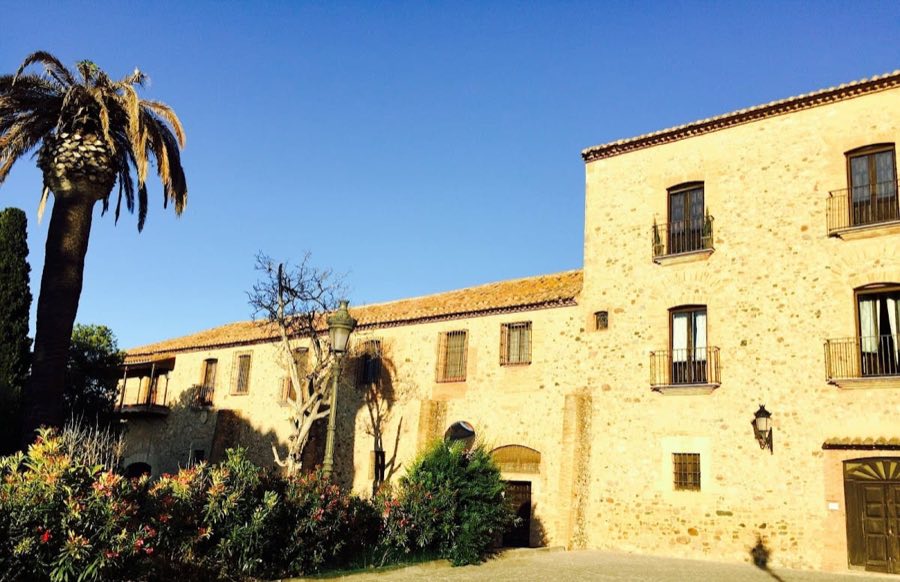
Castell de Vilafortuny
Spain
CastleRestored12th century
No. 56360
Castle · Spain
No. 56360 · 41.208 N, 1.247 E
Quick summary
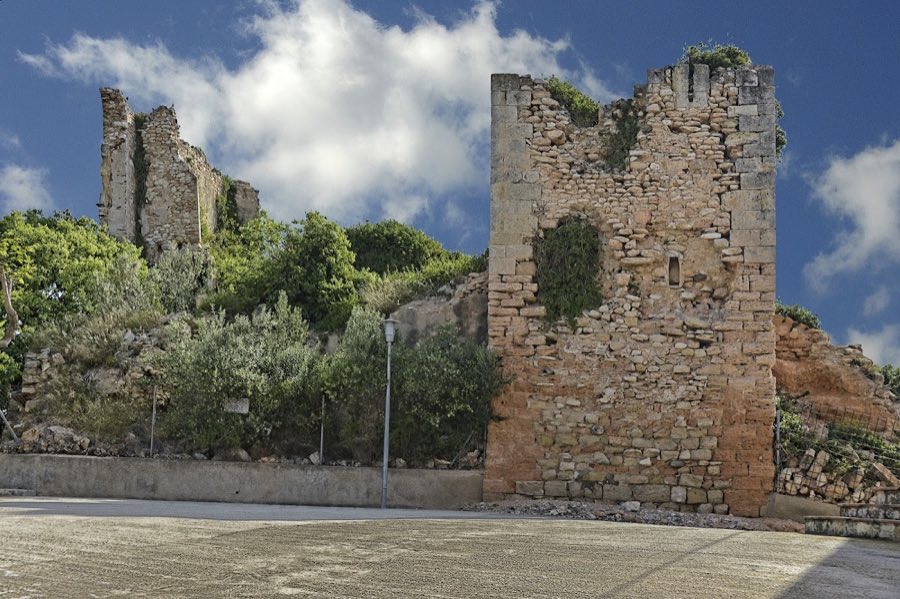
Castell dels Garidells is a castle in Spain with origins associated with the 14th century.
See all castles in SpainLocated in the municipality of Els Garidells in Spain, the Castell dels Garidells was built during the medieval period by members of the Claramunt family. The origins of the castle date back to the years before 1174, when Arnau and Berenguer Claramunt, brothers of Guillem de Claramunt, received land from him. This land donation formalized through a founding document known as a “carta de poblament” confirms that the castle had already been constructed by that time. Alongside establishing the fortress, the Claramunt brothers granted privileges to local settlers, encouraging population growth and settlement in the area.
In 1229, the rights originally retained by Guillem de Claramunt were transferred by his will to the monastery of Santes Creus. Despite this, the Claramunt family later adopted the surname Montoliu, creating a link between the two families that influenced subsequent ownership. By the early 14th century, the castle came under the ownership of Saurina de Castellet in 1309 and was soon acquired by Galceran de Montoliu. In 1315, Galceran designated his son Bernat as heir to both the Castell dels Garidells and the nearby settlement of Pobla de Mafumet, indicating the continued importance of the site within noble holdings.
During the mid-14th century, Berenguer de Montoliu, lord of the Garidells, played a military role by providing troops for King Pere III during the War of the Two Peters—a conflict between the kingdoms of Aragon and Castile. Later, in 1391, King Joan I attempted to exchange royal rights connected to the Garidells but ultimately sold these rights to the Archbishop of Tarragona, Ènnec de Vallterra, for a substantial sum of gold florins, reflecting the site’s value within regional power structures.
In the late 16th century, Jaume de Rossell, then lord of the castle, transferred jurisdiction and territory over the Garidells to the monastery of Santes Creus. The monastery maintained control over the estate until the abolition of feudal lordships in the 19th century. Following the Spanish Civil War, ownership changed hands when the castle was sold to the Tamarit family. Rather than preserving it, they used the structure as a quarry for materials to repair other buildings nearby.
Today, the Castell dels Garidells is recognized as a cultural heritage monument of national interest, preserving a chapter of medieval noble and monastic presence in the region.
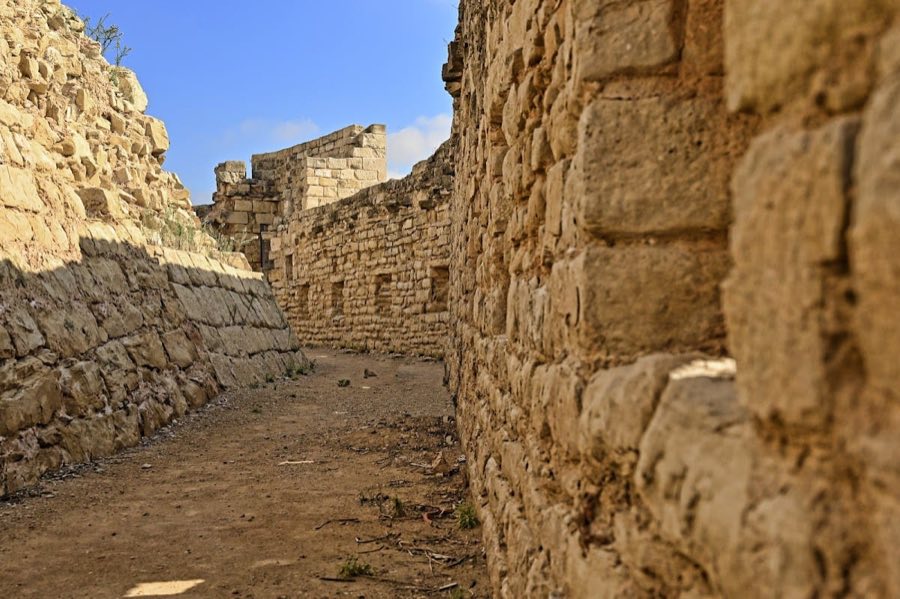
The Castell dels Garidells preserves its entire ground plan, with exterior walls rising between seven and eight meters high above the rubble foundation. The castle’s layout centers around a main hall or nave characterized by pointed arches, demonstrating Gothic architectural influences. Its structural materials consist of stones of different sizes bound with a mortar made from lime and sand, while carefully cut rectangular blocks, known as ashlar, reinforce corners and the edges of the tower, ensuring stability.
A prominent feature of the site is a large square defensive tower pierced by narrow vertical windows called loopholes. These openings appear at various heights and correspond to different construction phases, suggesting the tower was modified over time to adapt to evolving defensive needs. During later periods, the tower was altered to include a twin window reflective of late Gothic and Renaissance styles and an additional upper floor was added, indicating continued occupation and adaptation beyond its original medieval design.
The main entrance to the castle is marked by a semicircular arch framed with dovetail-shaped stones, a distinctive technique for fitting blocks securely. Above the doorway sits a machicolation—an overhanging structure with openings through which defenders could drop objects or pour liquids on attackers below—highlighting the fortified character of the entrance despite the absence of a complete defensive wall or moat.
Parts of the castle were likely dedicated to agricultural production, as evidenced by wine or oil presses carved directly into the bedrock nearby. These “cups” or basins served to crush grapes or olives for processing, illustrating the estate’s role beyond military functions. Additionally, a set of cellars accessed by a stone staircase that still survives today points to storage and perhaps food preservation activities within the complex.
Photographs taken in 1955 show that the castle was almost entirely intact at that time, providing valuable documentation of its external features before later deterioration. Currently, the remains stand as a fortified manor house rather than a fully defensive castle, reflecting its combination of residential comfort and selective fortification suited to noble life in the medieval period.
No. 88825
No. 54084
No. 30201
No. 25799
Comments
Comments for Castell dels Garidells will require a verified account before posting.
We'll send a verification link before your first comment is published.