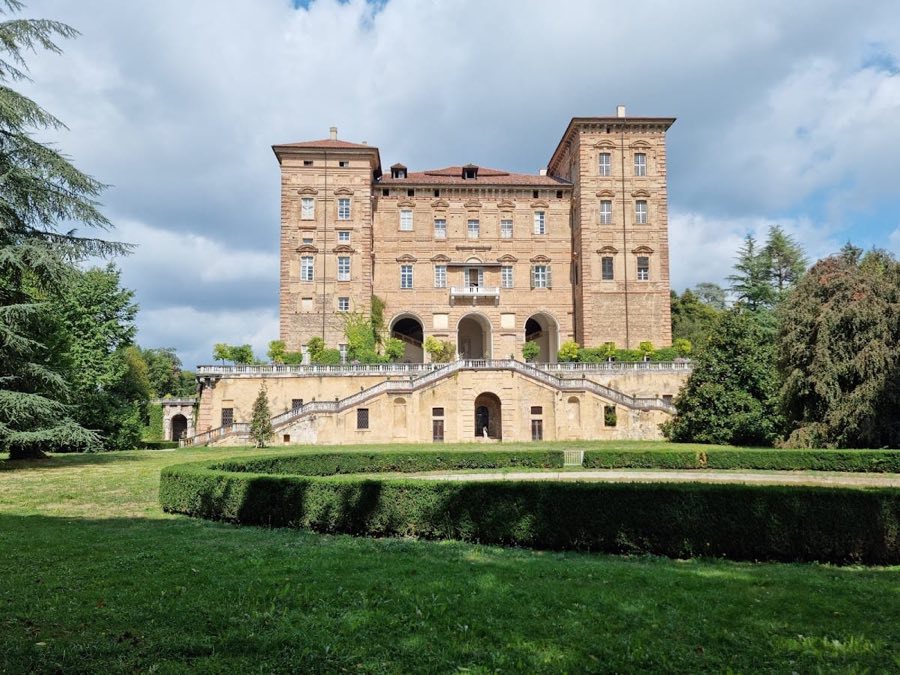
No. 63039
Agliè Castle
Italy
PalaceIntact16th century
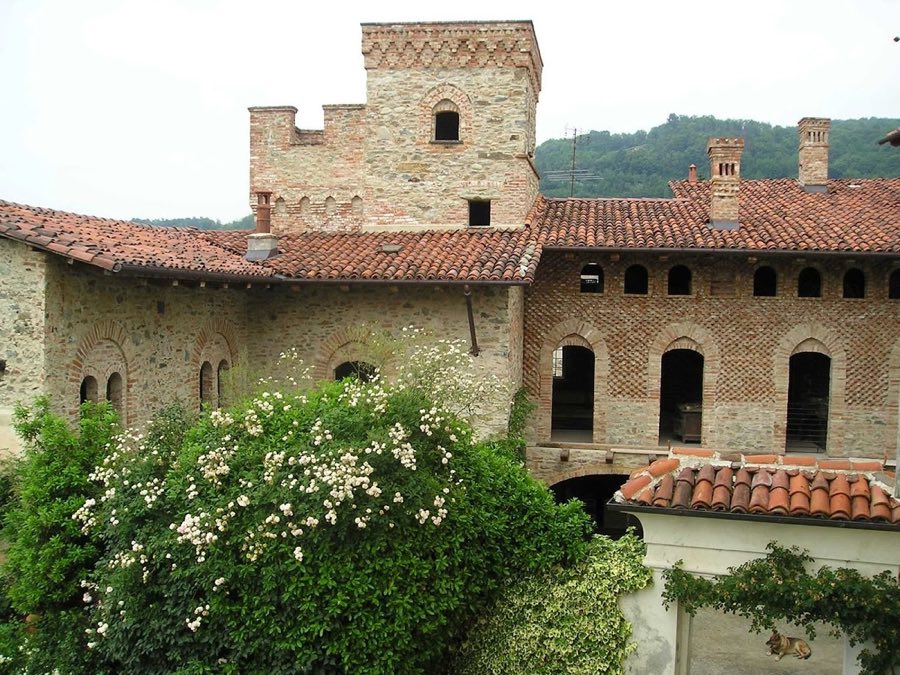
No. 54631
Castle · Italy
No. 54631 · 45.420 N, 7.773 E
For rent
Castello di Strambinello is marked for bookable castle accommodation. Nightly pricing, sleeps count, stay rules, and amenities are displayed only when public operator data is available.
Rental type: Hotel / bookable stay, Short-stay rental
Short-term availability: Bookable accommodation signal
Quick summary
Castello di Strambinello is a castle in Italy with origins associated with the 12th century.
See all castles in ItalyThe Castello di Strambinello, situated in the municipality of Strambinello in Italy, was originally built by medieval European builders during the 12th century. It served as a stronghold within the Pedanea region, designed to provide strategic defense and support among neighboring castles.
During its early existence, the castle was owned by the Counts of San Martino. In 1310, ownership was transferred to the Counts of Castellamonte, marking a significant shift in stewardship. The fortress first faced destruction in 1387 when it was attacked and razed amid the Tuchini revolt, a local uprising that also affected other castles in the area. Despite this devastation, rebuilding efforts in the following centuries restored much of the castle, preserving significant medieval architectural traits.
In the 17th century, the castle underwent extensive renovations to align with contemporary styles and sensibilities. Enhancements included the installation of grand fireplaces adorned with noble family coats of arms, emphasizing the occupants’ status. A particular chamber was dedicated to Charles Emmanuel II, Duke of Savoy, reflecting his importance to the castle’s history or its owners.
By the late 1600s, the property changed hands through matrimonial alliance from the Counts of Castellamonte to the Counts of Bersano. Subsequently, in the 18th century, control passed to the Counts of Barone. During the 19th century, the castle’s function shifted dramatically as it was partitioned among several bourgeois families. It was repurposed for agricultural and storage needs, including use as a farmhouse, cellar, and stable. This change in use contributed to gradual architectural decline.
In the 1980s, the castle—by then in a state of ruin—was the subject of restoration efforts aimed at stabilizing and repurposing the site. These renovations preserved its historical fabric while adapting the structure for modern use as a hotel, reflecting a new chapter in the castle’s long history.
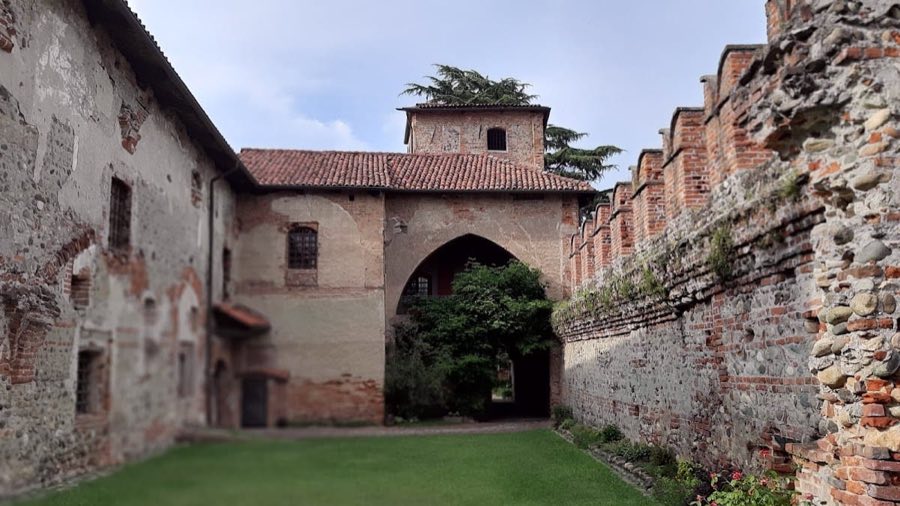
The Castello di Strambinello retains its foundational layout as a quadrangular fortress, a design characteristic of medieval defensive architecture. The structure’s corners are marked by towers, features that originally enhanced its military function by allowing surveillance and protection from multiple angles. Traces of this medieval plan remain visible today, despite changes made in later centuries.
Significant alterations date to the 17th century when the interior spaces incorporated large fireplaces within the main halls. These fireplaces are notable for bearing the coats of arms of noble families, identifying both lineage and ownership. One of the main floor rooms was specifically dedicated to Charles Emmanuel II of Savoy, an addition from the castle’s renovation phase that reflects its historical connection to regional rulers.
Throughout the 19th century, adaptability led to the castle’s use for various agricultural and storage purposes. This shift contributed to the deterioration of structural elements, yet the core medieval features endured. Since the restoration that began in the 1980s, much of the castle’s original form has been preserved and adapted sensitively to support its contemporary function. The careful work has maintained both the medieval character and 17th-century decorative elements without extensive alteration to their appearance.
The castle today stands as a testament to its layered history, with medieval fortifications and noble embellishments clearly distinguishable amid the restored structure.
No. 63039
No. 43064
No. 70535
No. 31344
Comments
Comments for Castello di Strambinello will require a verified account before posting.
We'll send a verification link before your first comment is published.