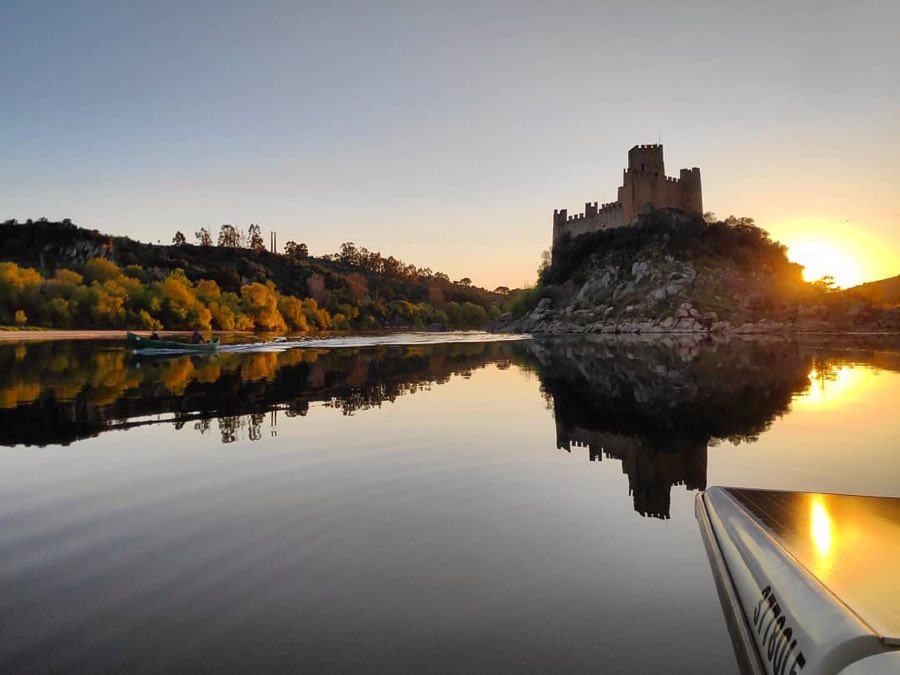
No. 85406
Castle of Almourol
Portugal
CastleRestored1st century
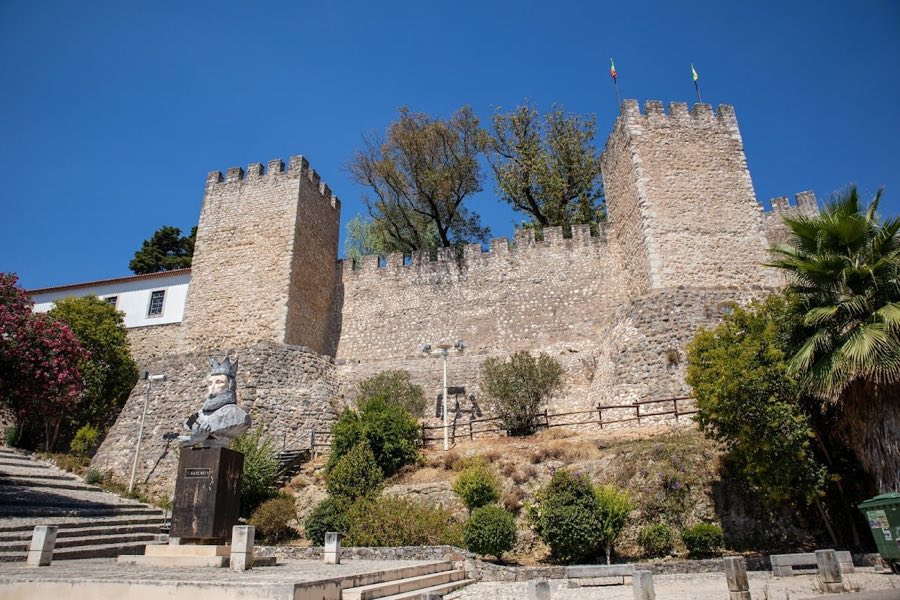
No. 78075
Castle · Portugal
No. 78075 · 39.480 N, 8.541 W
Quick summary
Castle of Torres Novas is a castle in Portugal with origins associated with the 12th century.
See all castles in PortugalThe Castle of Torres Novas is situated in the municipality of Torres Novas, Portugal. Its origins trace back to ancient times, with early occupation attributed variously to Greek, Roman, or Celtic peoples, though the precise founding civilization is uncertain. Archaeological evidence particularly confirms a Roman military presence, as the castle site controlled a strategic route between major Roman settlements.
The site developed as part of the Roman network, linked to a nearby settlement known as Vila Cardilium. Later, during the Christian Reconquista in the 12th century, the site was under Muslim control before being definitively captured by King Afonso Henriques in 1148 following the fall of Santarém and Lisbon. Around this period, the castle may have undergone initial rebuilding or fortification efforts to strengthen defense. The name “Torres Novas,” meaning “New Towers,” was adopted to distinguish it from the nearby Torres Vedras.
In 1184, the Almohad caliph Abu Yaqub Yusuf I launched an attack on the town, destroying its fortifications. This incursion was followed by his death in battle at Santarém. Shortly after, under King Sancho I’s reign, work to rebuild or restore the castle took place around 1187, coinciding with the discovery of a religious image called Nossa Senhora da Alcáçova in a grotto on the site.
The castle faced renewed conflict in 1190 when Almohad forces besieged and captured it after a ten-day siege, leaving a garrison. However, King Sancho I reclaimed Torres Novas later that year, granting the town its first charter and commissioning reconstruction of the castle to reinforce local defenses and encourage settlement.
During the late 13th and early 14th centuries, King Denis I founded nearby villages to strengthen the region. He donated the nearby domains to Queen Saint Elizabeth, and over time the estates passed to members of the royal family known as the Infantes. Eventually, they became associated with Infante D. Jorge and the House of Aveiro, which elevated Torres Novas to ducal status.
In the late 14th century, following conflicts with Castile, the castle’s defenses were expanded under King Ferdinand I. Construction began in early 1374 and was completed by 1376, a fact recorded by inscriptions found on the site. During the 1383–1385 crisis, Castilian forces gathered at Torres Novas after failing to take Lisbon. Portuguese troops forced the Castilians into the castle itself, and after the decisive Portuguese victory at the Battle of Aljubarrota, Torres Novas firmly returned under Portuguese control, with Antão Vasques appointed as the castle’s governor.
The castle’s importance declined in later centuries. The catastrophic earthquake of 1755 caused significant destruction, including the collapse of four towers and parts of the walls, leading to its abandonment. Further damage occurred during the early 19th century when Napoleonic forces occupied the area. Urban expansion in following years resulted in the demolition of much of the medieval walls.
Starting in the mid-20th century, restoration efforts by Portugal’s Directorate-General for Buildings and National Monuments focused on consolidating and repairing surviving structures, including the residence of the castle’s governor, known as the Alcaidaria. The early 21st century saw municipal projects to rehabilitate the castle’s surroundings. Most recently, in 2022, plans were approved to build an elevator to improve access, combining modern materials with design elements intended to harmonize with the historic site.
The Castle of Torres Novas occupies a commanding hilltop position overlooking the town and the adjacent Almonda River. Its layout is approximately rectangular, enclosed originally by stone walls reinforced with nine towers that formed the inner courtyard, known as the praça de armas. These stone fortifications illustrate construction techniques typical of the medieval period.
The medieval defensive walls once included three main gates, all of which have been lost over time. One section of the eastern wall has survived, offering a glimpse into the former extent of the town’s ramparts. The walls and towers were primarily built from stone, though the 1755 earthquake and subsequent conflicts caused the collapse of many sections, including four of the towers.
Inscriptions carved on the castle walls provide valuable historical data, especially those from the 14th-century expansion. One such inscription was located on the former Arco do Salvador (Arch of the Savior), documenting the castle’s enlargement between 1374 and 1376.
Within the castle grounds stands the Alcaidaria, the governor’s residence. This building underwent restoration in the 1970s and remains a notable structure within the site. Modern conservation efforts have focused on cleaning the stone surfaces, removing vegetation, and repairing eroded sections of the stone masonry on the Fernandine walls, reflecting ongoing attention to the castle’s preservation.
Plans to enhance visitor access include the construction of an elevator built from reinforced concrete designed to mimic the texture of natural stone. This will feature illuminated entrance chambers, a metal walkway linking the elevator to the castle entrance, and integrated LED lighting on the railings. These additions aim to respect the historic character of the site while improving movement around its steep terrain.
Together, the surviving elements of walls, towers, inscriptions, and the restored governor’s residence offer insight into the castle’s long history as a military and administrative center. The site’s strategic location and layered construction tell the story of centuries of conflict, resilience, and adaptation.
No. 85406
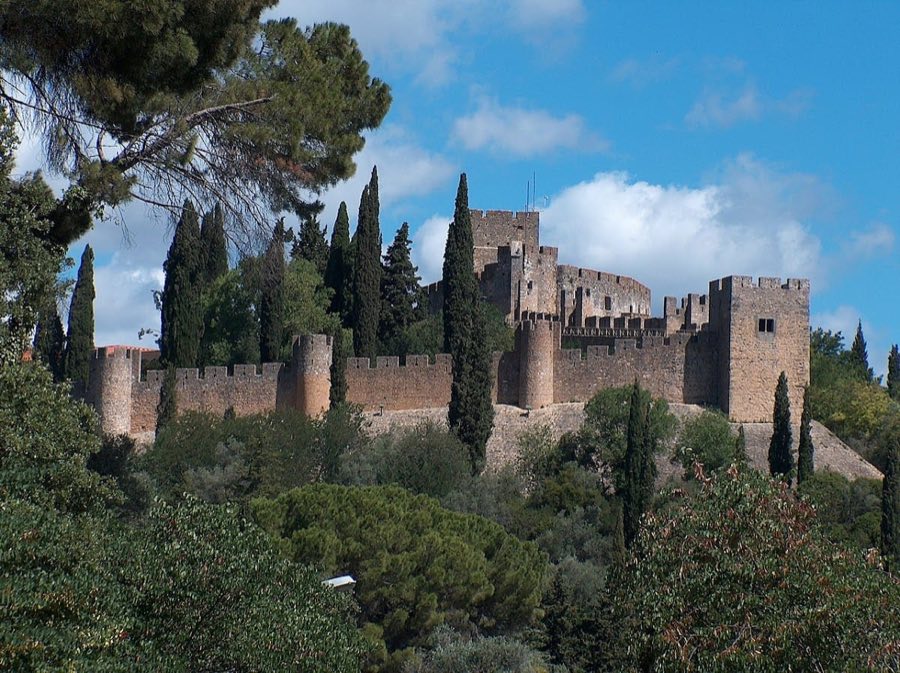
No. 73373
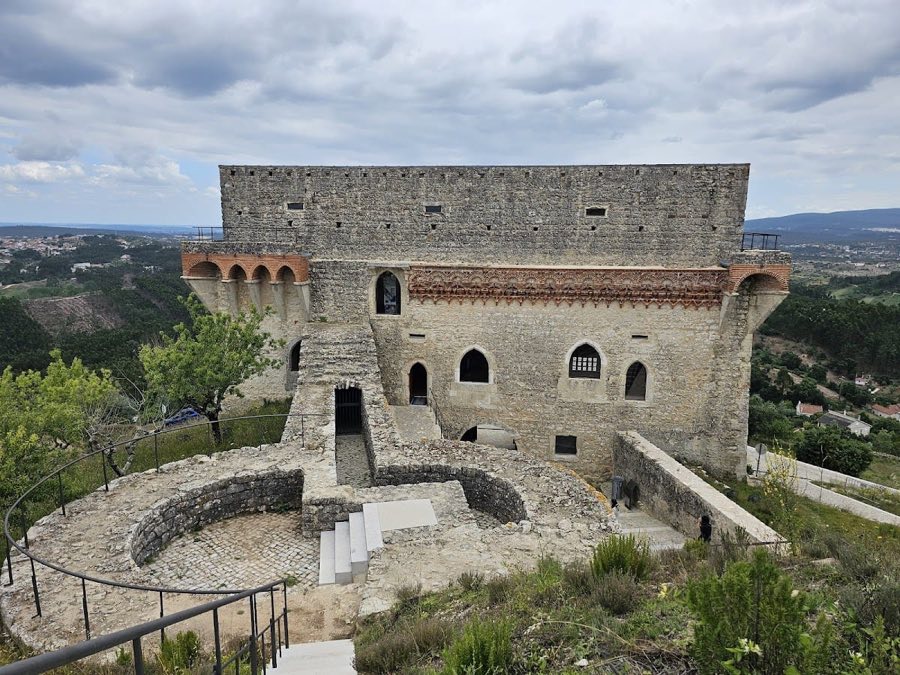
No. 20585
No. 20164
Comments
Comments for Castle of Torres Novas will require a verified account before posting.
We'll send a verification link before your first comment is published.