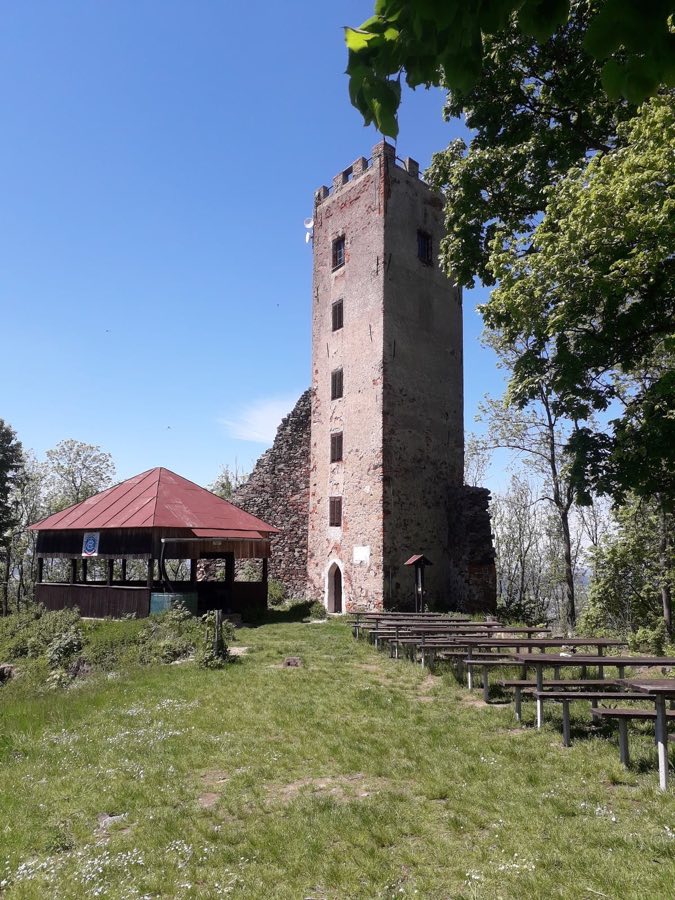
No. 36119
Rýzmberk Castle
Czechia
CastleRuinFor events13th century
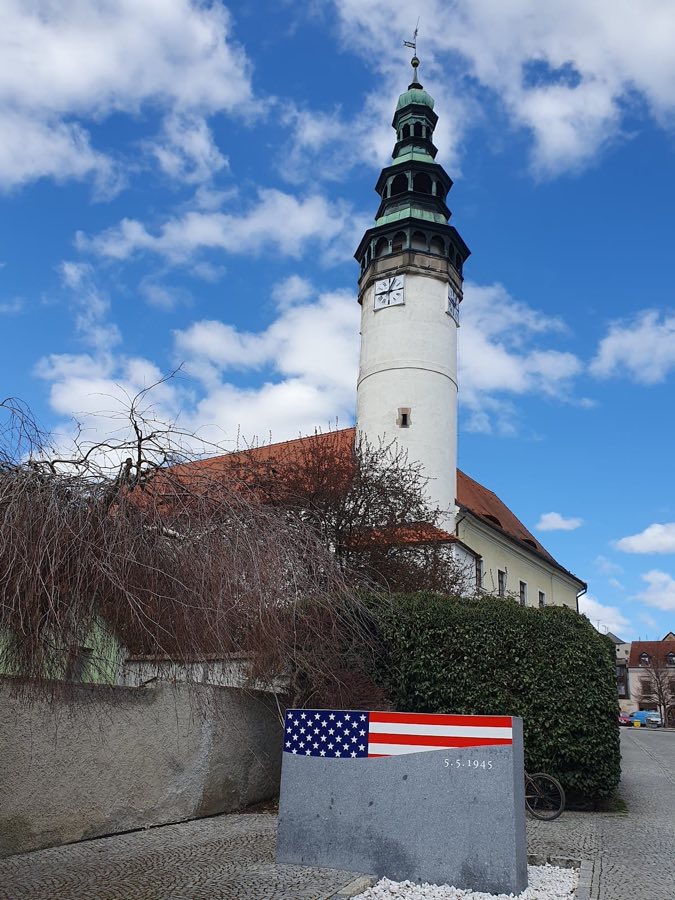
No. 81935
Castle · Czechia
No. 81935 · 49.439 N, 12.928 E
For events
Chodský hrad is marked as a château or castle venue lead. Capacity, indoor/outdoor spaces, catering rules, and accommodation options are published only after public verification.
Event types: Weddings, Private events, Cultural gatherings, Filming and photography
Ceremony spaces: Ceremony setting to verify
Quick summary
Chodský hrad is a castle in Czechia with origins associated with the 14th century.
See all castles in CzechiaChodský hrad is a medieval castle located in the town of Domažlice, in what is now the Czech Republic. It was founded in the 1260s by King Ottokar II Přemysl of Bohemia, who established the castle alongside the town itself. This fortress was created to serve as the residence and administrative center for royal burgraves overseeing the Choden people, a unique group of free peasants assigned the critical role of guarding the Bohemian border against incursions from the Bavarian Nordgau region.
The castle formed part of a strategic frontier defense system, working in tandem with the Bavarian castle at Cham, which also utilized free peasant guards. During the 14th century, Chodský hrad hosted prominent rulers such as King John of Bohemia, who stayed there in the 1330s. The castle maintained its military and administrative functions for several centuries, playing a central role in managing this border region.
In 1592, a major fire swept through Domažlice, severely damaging the castle. During the 17th century, ownership of Chodský hrad became contested between the nobleman Wolf Maximilian Laminger von Albenreuth and the town of Domažlice. Eventually, in 1671, the castle was exchanged for land and came under the control of the town authorities. The structure was repurposed between 1726 and 1728 according to architectural plans by Kilian Ignaz Dientzenhofer, who transformed it into a salt warehouse—a function it served until the early 19th century.
From the mid-19th century, the building accommodated municipal offices and later a school starting in 1850. The castle’s role shifted again in the 20th century when it became the home of the Choden Museum, founded in 1883. The museum focused on preserving the local ethnographic heritage, folk traditions, and regional history. After periods of expansion and reorganization following both World War II and the Velvet Revolution, the castle underwent major repairs in 1992. Despite suffering another fire in 1995, restoration was completed by 1998, and it reopened as a museum in 1999. Since 1964, the site has been officially protected as a cultural monument.
Chodský hrad is situated in the southwestern corner of Domažlice’s old town, resting approximately 420 meters above sea level near the Zubřina stream. Historically, the castle was arranged with three main palace wings shaped around a rectangular corner that faced away from the town. Defensive elements likely included a moat and a parkán—a type of outer ward or fortified enclosure—while the side opposite the rectangular corner featured a distinctive quarter-circular section.
Among the surviving structures are parts of the outer defensive wall and a round tower that stands upon a square base. On the southern side, a castle wall enclosed the complex, running close to the Zubřina river, which provided a natural barrier and strategic protection. During the 18th-century conversion into a salt warehouse, substantial brick construction was added or modified, leaving behind vaults and other structural elements characteristic of that period.
The underground spaces beneath the castle reveal a blend of earlier Gothic masonry and 18th-century brick vaulting. These cellars now serve as a lapidarium, displaying an assortment of stone fragments excavated on-site. These include architectural pieces, milestones, and ornamental Baroque pedestal elements, all uncovered during archaeological work and later construction adjustments. The cellar itself is accessible to visitors, comprising two vaulted chambers with brick paving. Exhibits here include religious artifacts such as Calvaries and fragments from the nearby church in Valtýř.
In the castle courtyard, the lapidarium extends alongside an installation representing a traditional Choden wedding, linking the site to the cultural heritage of its early defenders. The tower stands as a separate element open to the public, offering a glimpse into the castle’s defensive past.
Additionally, the castle cellar is part of a broader network of underground spaces beneath Domažlice. Several neighboring houses contain their own cellars, often with two or even three levels dug into the mineral-rich and heavily weathered soil. Some of these subterranean areas experienced partial collapses in 1964 but were subsequently stabilized with concrete reinforcements to preserve their structural integrity.
No. 36119

No. 91270
No. 77064
No. 10295
Comments
Comments for Chodský hrad will require a verified account before posting.
We'll send a verification link before your first comment is published.