No. 73915
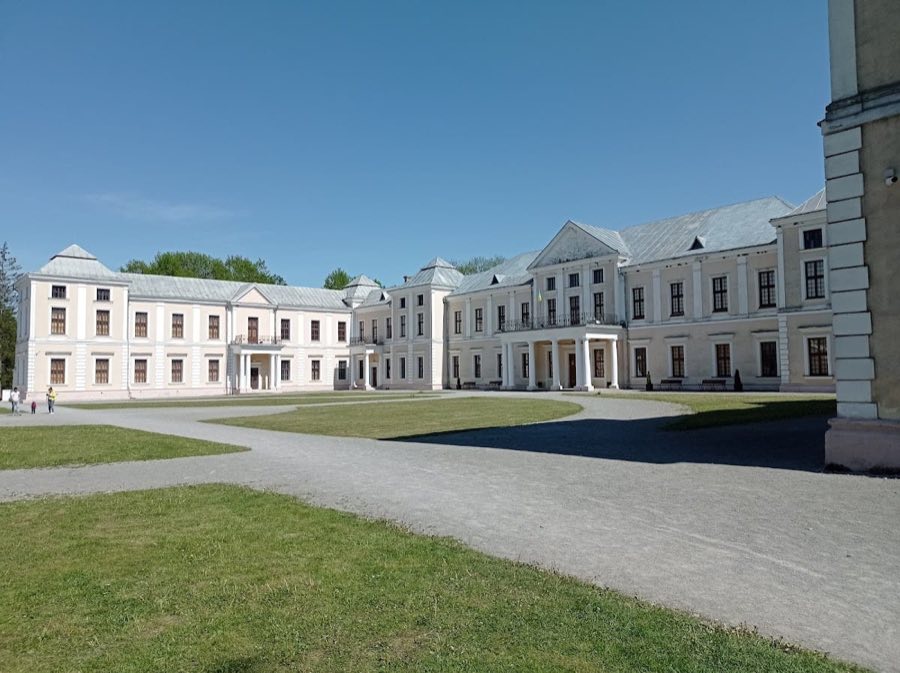
Vyshnivets Palace
Ukraine
PalaceRestored17th century
No. 51498
Castle · Ukraine
No. 51498 · 50.095 N, 25.731 E
Quick summary
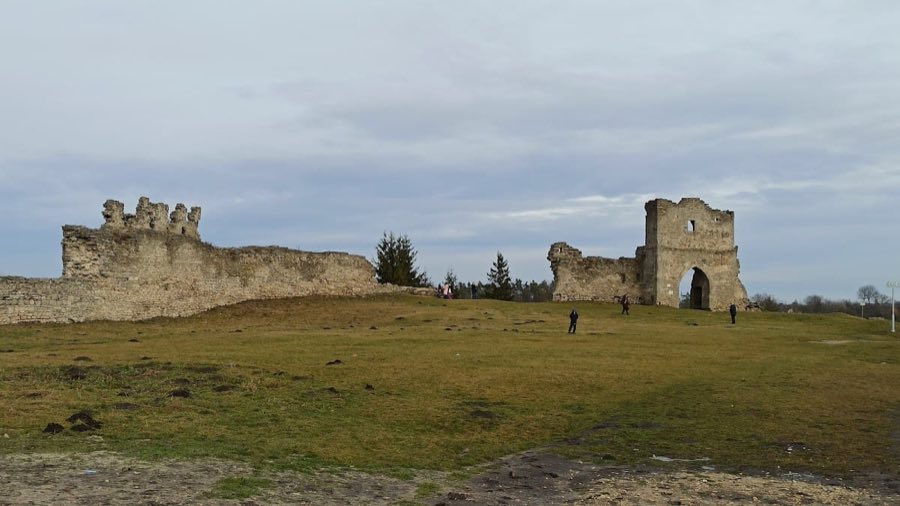
Kremenets Castle is a castle in Ukraine with origins associated with the 13th century.
See all castles in UkraineKremenets Castle is situated on Bona Hill in the town of Kremenets, Ukraine. It was originally established by the people of ancient Rus’ as a fortified settlement known as a detinets, serving a key defensive purpose in the region.
The earliest written mention of the site dates back to around 1064. During the 13th century, the castle faced significant military challenges, including an unsuccessful siege by Hungarian King Andrew II in 1226. Notably, it was one of the very few Rus’ fortresses to withstand the Mongol invasion led by Batu Khan in 1240–1241, surviving when much of the surrounding land was overrun. Despite this resilience, in 1261 the castle was dismantled under the orders of Prince Vasylko Romanovich, responding to a demand by Mongol commander Burundai.
The following century saw a revival of the castle’s fortifications under Lithuanian-Ruthenian rulers such as Lubart-Dmytro, Vytautas, and Švitrigaila. It served not only as a military stronghold but also a residence for local governors, the starosts of Kremenets. An important historical episode occurred when Švitrigaila was held prisoner in the castle tower for nearly a decade, from 1409 to 1418.
By 1536, the castle became the property of Queen Bona Sforza, part of the Polish–Lithuanian Commonwealth. Under her direction, the fortress underwent renovation, embracing Renaissance architectural features and receiving enhancements to its defenses. Later, in 1648, the castle endured attacks by Cossack forces commanded by Maksym Kryvonis. Although it was successfully defended, the castle gradually lost its military importance and was no longer reconstructed after this period.
In the 20th century, archaeological work in the 1970s uncovered important details about the castle’s structure and function. More recently, starting in 2011, local authorities initiated restoration measures. A symbolic gesture of national pride was made in 2021 when a 35-meter-high flagpole flying the Ukrainian flag was erected on the castle hill, marking a record in the country’s history.
Throughout its existence, Kremenets Castle reflected the turbulent borderland dynamics involving Poland, Lithuania, Hungary, and the Mongol Tatars, standing as a witness to shifting political and military alliances over several centuries.
Kremenets Castle occupies a roughly rectangular area atop Bona Hill, measuring about 65 meters wide by 135 meters long. Its defensive walls, built primarily from locally quarried limestone, reach heights of 8 to 12 meters and are 2 to 3 meters thick, illustrating robust medieval construction designed to protect against invaders.
The western fortification features a distinctive square, two-story gate tower known as the portal tower. This entrance is marked by a Gothic-style arch, indicating stylistic influences from Western Europe. The portal tower was the main access point into the castle complex. Nearby, still standing, is a triple-level tower referred to as “over the new house.” Its design reflects multipurpose use: storage occupied the ground floor, residential quarters were on the second level, and the roof hosted cannons, demonstrating adaptations to evolving military technology.
Among the castle’s defenses were walls with crenellated parapets, offering cover for archers or cannon operators, and a covered gallery equipped with gun ports, allowing defenders to fire artillery along the ramparts. On the northern side near the neighboring Chercha mount, two massive stone bastions provided additional protection, complemented by a moat that further hindered assaults.
Inside the fortified area, archaeological evidence has revealed the remains of approximately thirty-four wooden structures belonging to well-off townspeople. The compound also housed the princely palace, barracks for soldiers, a guardhouse called the gaubtvahta, a bakery, a dungeon, and the religious building of St. Michael’s Church, indicating how the site supported both military and civilian functions.
Early construction of the castle began with wooden palisades during the 13th century, which were subsequently replaced with enduring stone walls. A well was started in the 16th century, demonstrating efforts to ensure water supply during sieges, though this project was never finished.
Originally, the hill on which the castle stands was bare of trees, leading to problems with rockfalls damaging nearby homes. Eventually, the slopes were planted with trees, stabilizing the terrain and preventing further damage.
Today, key preserved elements include the western gate tower, sections of the outer walls, and the tower over the new house. Two commemorative plaques on site recognize the castle’s status as an architectural monument and memorialize the historic battle efforts repelling Batu Khan’s forces, connecting visitors with the fortress’s storied past.
No. 73915
No. 91671

No. 17851
No. 86629
Comments
Comments for Kremenets Castle will require a verified account before posting.
We'll send a verification link before your first comment is published.