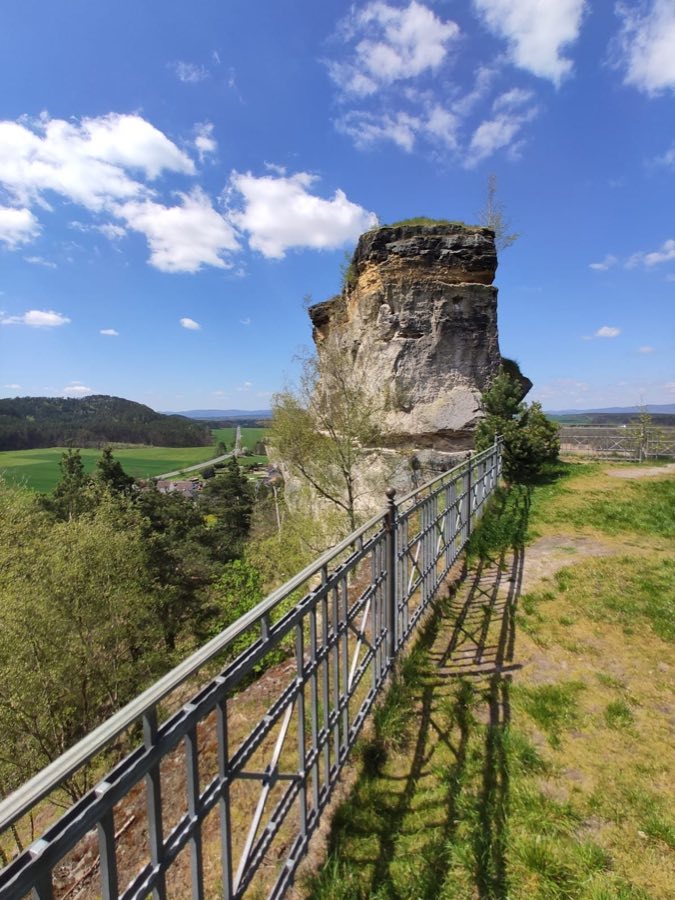
No. 18010
Castle Jestřebí
Czechia
CastleRuin13th century
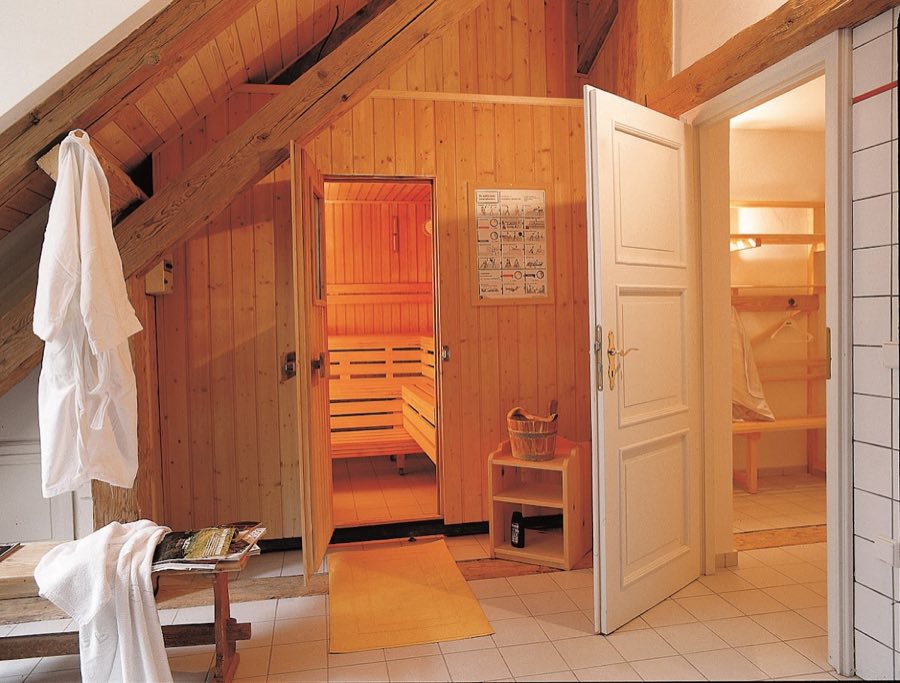
No. 43345
Château · Czechia
No. 43345 · 50.549 N, 14.545 E
For rent
Nový Berštejn is marked for bookable castle accommodation. Nightly pricing, sleeps count, stay rules, and amenities are displayed only when public operator data is available.
Rental type: Hotel / bookable stay, Short-stay rental
Short-term availability: Bookable accommodation signal
Quick summary
Nový Berštejn is a château in Czechia with origins associated with the 16th century.
See all castles in CzechiaNový Berštejn Castle in Doksy, Czechia, is a Renaissance residence erected in the mid-16th century by the Bohemian noble Adam Berka of Dubá. Built between 1558 and 1567, its origins in the Renaissance mark the site as an example of noble domestic architecture of that period, and the complex later acquired importance through ownership by prominent regional figures and repeated rebuilding in later styles.
The initial house was a single-storey, one-wing building that functioned as the residence and later became the central wing of a larger castle complex. The surrounding settlement developed to serve the estate, including agricultural and service buildings that formed a substantial farmyard with a pond, an aqueduct and a brewery, and a park planted chiefly with deciduous trees.
After 1618 the estate came under the control of Friedrich Falcky, who held the office of the region’s highest judge and took a leading role in the anti-Habsburg resistance during the uprising of the Bohemian estates. Following the defeat of those estates in 1620 he fled, his possessions were seized, and the property passed into the hands of the Wallenstein (Valdštejn) family.
Albrecht von Wallenstein later held the castle. After his assassination Emperor Ferdinand II granted the estate to Colonel Walter Butler, an officer of Irish origin who had been involved in Wallenstein’s killing; Butler’s family remained at Nový Berštejn until 1723. That year the property was bought by Count František Karel Rudolf Sweerts-Sporck, who rebuilt the residence in the Baroque style and added lateral wings. The count also commissioned a Baroque church in nearby Dubá, dedicated to the Finding of the Holy Cross.
Between 1744 and 1745 Countess Anna Kateřina Sweerts-Sporcková erected a round chapel to Saint Barbara on a nearby ridge once called Květný; that chapel was suppressed in 1792 as part of the ecclesiastical reforms pursued by Emperor Joseph II. In 1810 the estate returned to the Valdštejn family, who carried out restorations and gave the chateau the 19th-century appearance recorded in later descriptions. The Valdštejn estate ceased to exist as it had before because of the land reform measures enacted during the First Republic of Czechoslovakia.
After the First World War the castle passed through several private owners: in 1920 it belonged to Tomáš Maglič, a senior official of the Škoda works; in 1935 Růžena Jirátová-Kabátová acquired the property and improved the castle and park; in 1939 ownership transferred to the Wedel family, with Ludolf von Wedel-Parlow named as beneficiary of wartime expropriation. In 1945 the castle was confiscated as German property and was converted for public uses, first as a district health centre and later as a boarding school. The complex faced the threat of demolition in 1983 amid neglect following the population transfers after the war. In 1991 Miroslav Karel Slezák purchased the grounds and undertook restoration and adaptation for hotel use, and from 1996 the property has been held privately and operated as a hospitality facility. The Nový Berštejn complex has been protected as a national cultural monument of the Czech Republic since 1978.
The site presents a broad, scenographic courtyard formed by a main castle with a prominent central wing flanked by two side wings, together with ancillary and service buildings arranged around the yard. The oldest structural element is the original mid-16th-century residence, which survives as the central wing; originally it was a single-storey, one-wing Renaissance house whose ground surface was finished with a wooden floor. Later building phases enveloped and raised this core as the complex expanded.
The Baroque rebuilding carried out under Count Sweerts-Sporck added lateral wings and transformed the castle’s silhouette; 19th-century restorative work under the Valdštejn family then altered external appearance to the form visible in later accounts. Service buildings of Baroque character cluster around a sizeable farmyard and once supported an active estate economy, with a pond and an aqueduct among the engineered landscape features that supplied water and served the grounds.
A brewery stood beside the service range and beneath it lie extensive underground cellars cut into sandstone. These vaulted spaces are used historically for maturing local beer cheeses and form the largest sandstone underground ensembles in the Kokořín and Dubsk area. The cellars are privately held and remain an integral part of the property’s built fabric.
Close to the castle, on the former Květný ridge, stands the round chapel of Saint Barbara, erected in 1744–1745. The chapel was taken from ecclesiastical use in 1792 under imperial reforms and in the later 20th century it has been repurposed for recreation. Within the park, at the southern corner of the boundary wall, an 18th-century column to the Holy Trinity stands; it was badly damaged in 1996 and has since been restored. Along the approach drive a statue of the Virgin Mary, commissioned by Count Sweerts-Sporck in 1763, has also been restored.
The older hilltop stronghold known as Starý Berštejn survives as a ruin outside Dubá, while Nový Berštejn endures as the chateau north of Dubá that has been adapted for hotel use. These two sites record the long occupation and changing functions of the Berštejn holdings across centuries.
No. 18010
No. 51018
No. 36583
No. 21505
Comments
Comments for Nový Berštejn will require a verified account before posting.
We'll send a verification link before your first comment is published.