No. 85360
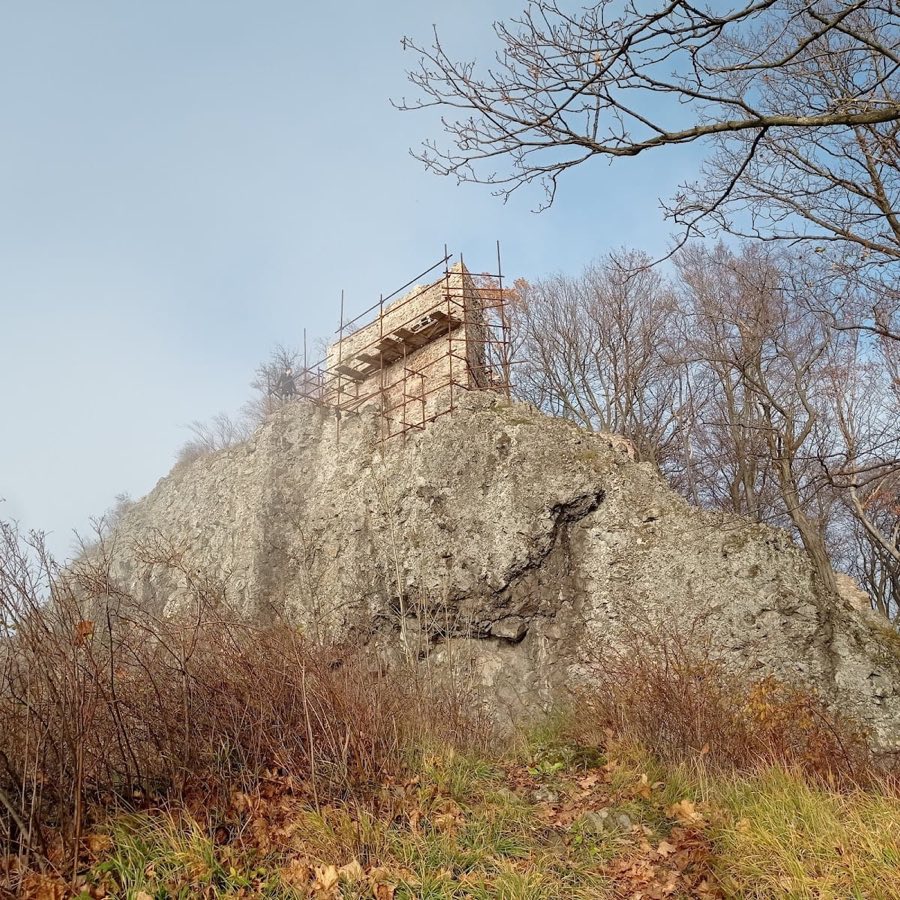
Zbojnícký Castle
Slovakia
CastleRuin13th century
No. 37184
Castle · Slovakia
No. 37184 · 48.872 N, 21.227 E
Quick summary
Obišovský hrad is a castle in Slovakia with origins associated with the 13th century.
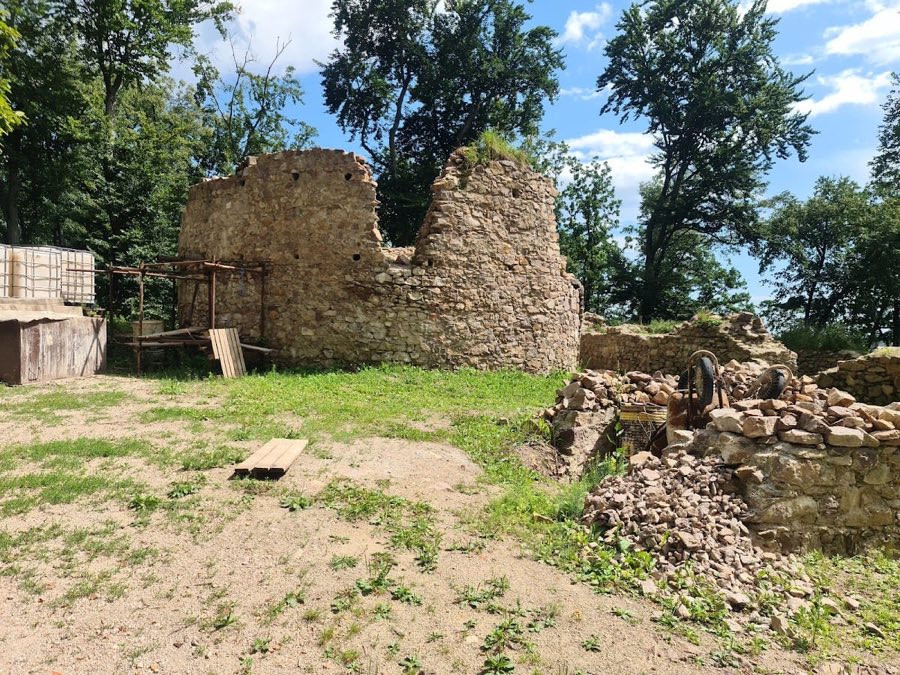
See all castles in SlovakiaObišovský hrad is situated near the village of Obišovce in Slovakia and traces its origins back to ancient times. The site originally served as a Slavic hillfort known as Stráža, which functioned as a place of refuge during the Roman period in the 2nd and 3rd centuries AD. Archaeological discoveries confirm human use of this location well before the medieval era.
The medieval castle that now lies in ruins was likely built in the late 13th century. It belonged to the Drienovský branch of the Aba noble family, one of the early aristocratic lineages in the region. While the castle does not appear in records from the year 1289, it is indirectly mentioned in documents from around 1300 and 1304. This suggests construction occurred between the late 1200s and the very beginning of the 14th century. The fortress served as one of the oldest holdings of the Aba family in the area surrounding Drienovce.
During the first half of the 15th century, Obišovský hrad was likely abandoned or destroyed amidst a period known locally as “hradoborectvo,” when many castles were deliberately dismantled or fell to ruin. This process contributed to the castle’s decline and eventual state as a ruin. Its history after this period is preserved principally through archaeological investigation rather than written records.
Scholarly interest in Obišovský hrad grew in the 20th century, with the first significant archaeological excavations taking place in the early 1960s. Historian and archaeologist Belo Polla led these efforts, providing important insights into the development and use of the castle through analysis of the site’s structures and artifacts. Today, the ruins are protected as a cultural monument, reflecting their role in the local medieval heritage.
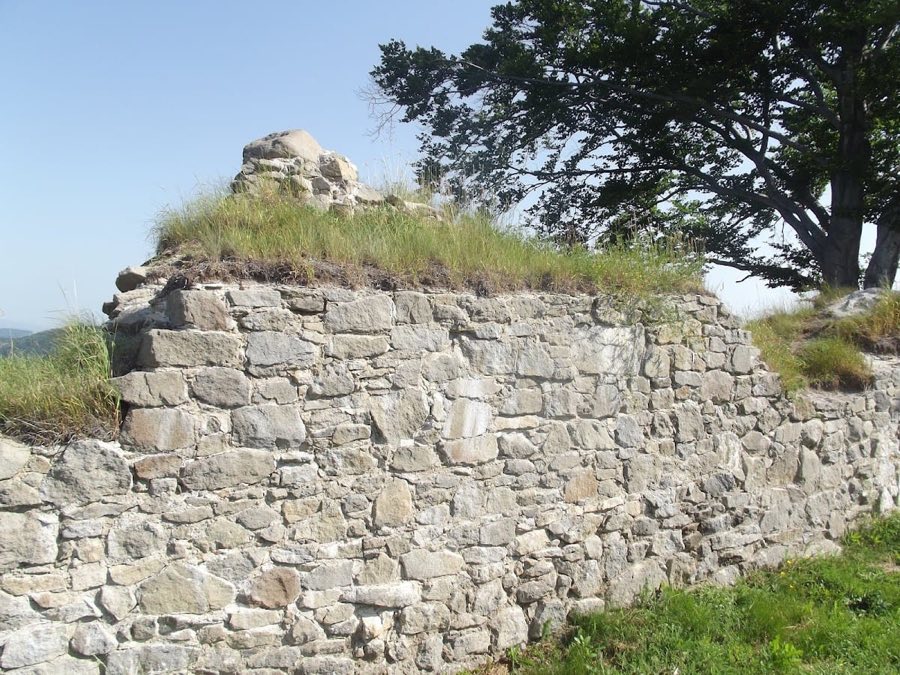
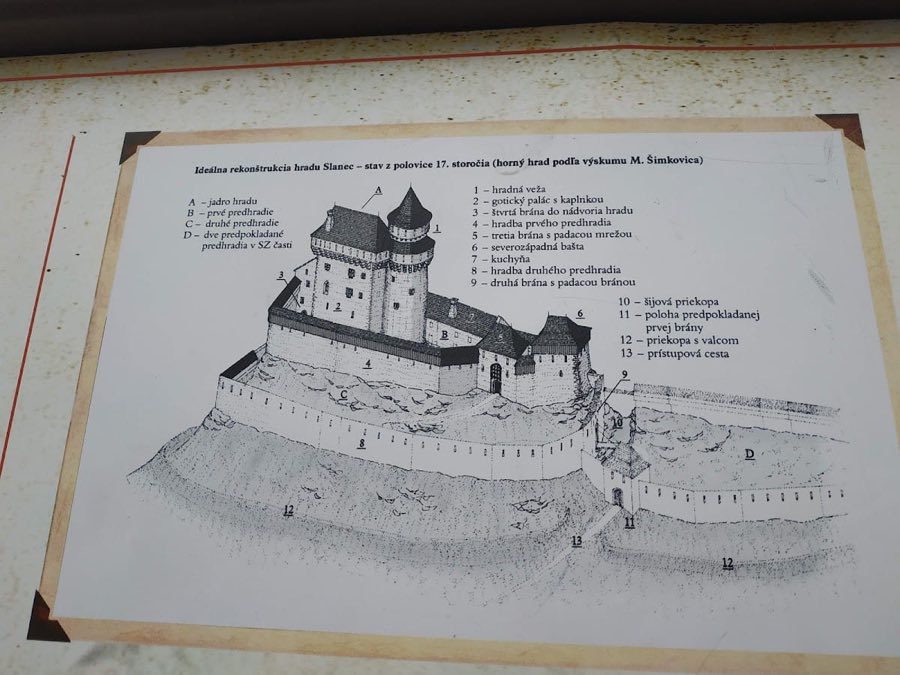
The remains of Obišovský hrad occupy a hilltop with an oval shape roughly 32 meters long and 25 meters wide. Enclosed by a defensive wall between 1.7 and 2.5 meters thick, the castle’s layout reflects typical medieval fortification strategies designed to utilize natural terrain. Surrounding the outer side of the wall is a ditch, cut as deep as 2.5 meters into the ground, which added a further obstacle to potential attackers.
Access to the castle was primarily from the south, where visitors would cross a wooden bridge spanning the ditch before passing through a modest gatehouse. The relatively simple gate structure indicates a defensive but functionally straightforward entry point. Within the enclosure, the castle’s defensive and residential core was embodied in a large round tower. This tower had walls up to 2.8 meters thick and an internal diameter of about 3.5 meters, emphasizing its role as a stronghold within the fortress.
Along the southeastern edge of the castle stood a three-room building, thought to be a one-story palace or residential block. Its outer wall doubled as part of the castle’s perimeter defense, showing how living spaces were integrated into the fortification system. Near the center of the courtyard, a circular cistern was carved directly into the rock. This water reservoir was lined with masonry and coated with high-quality plaster, demonstrating medieval techniques for water storage essential for withstanding sieges or dry periods.
Important traces of the earlier Slavic hillfort phase are visible in the form of earthen defensive structures, known as vallum. These earthworks reveal the site’s long history as a fortified location, with multiple layers of construction surviving in fragmentary form. The remains today stand mostly in ruin but are carefully preserved within the protected cultural landscape surrounding Obišovec, maintaining a tangible connection to the region’s medieval and ancient past.
No. 85360
No. 97384

No. 94061
No. 77776
Comments
Comments for Obišovský hrad will require a verified account before posting.
We'll send a verification link before your first comment is published.