No. 48954
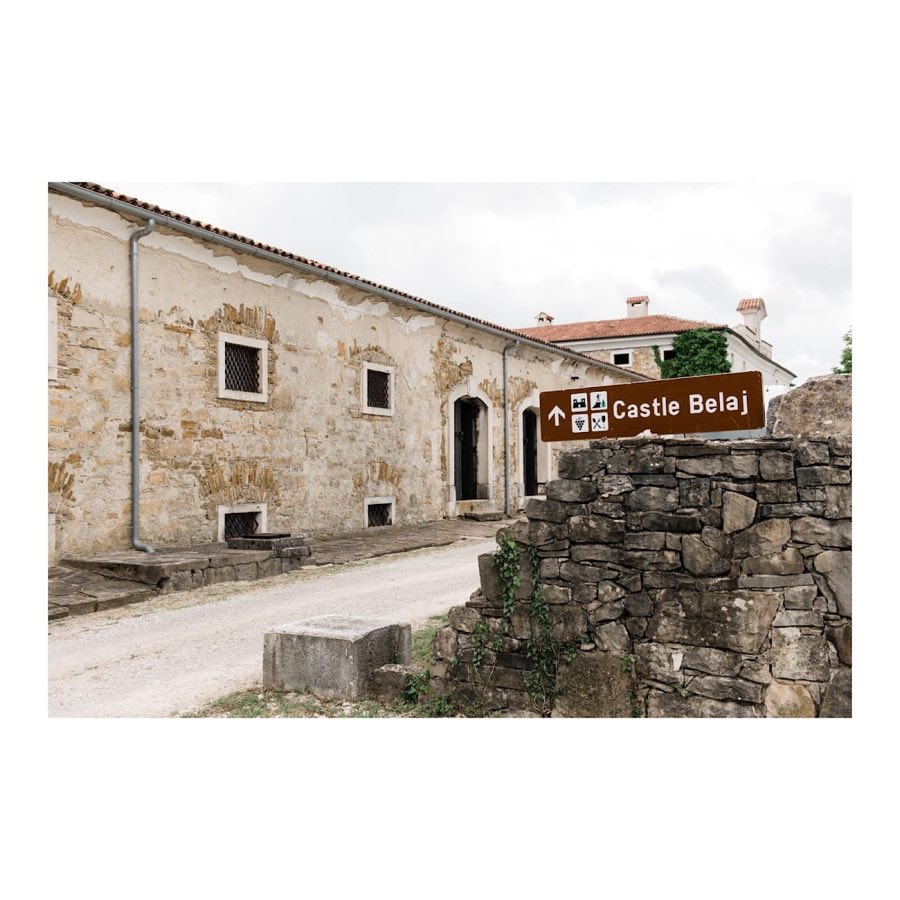
Belaj Castle
Croatia
CastleRestored15th century
No. 30937
Castle · Croatia
No. 30937 · 45.274 N, 14.104 E
For events
Posert Castle is marked as a château or castle venue lead. Capacity, indoor/outdoor spaces, catering rules, and accommodation options are published only after public verification.
Event types: Private events, Cultural gatherings, Filming and photography
Quick summary
Posert Castle is a castle in Croatia with origins associated with the 11th century.
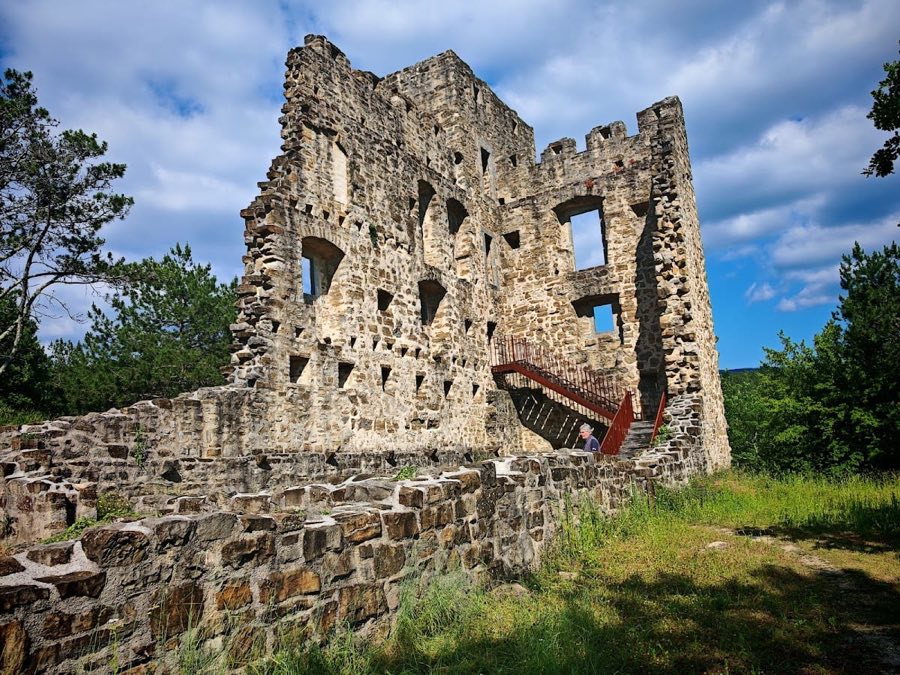
See all castles in CroatiaPosert Castle is a medieval fortress situated in the municipality of Cerovlje, in modern-day Croatia. Its origins are connected to the complex political and territorial changes that shaped the Istrian peninsula during the Middle Ages.
The site likely traces its earliest recorded mention to the 11th century, when a fortress known as “Castrum Sancti Martini” appears in a document issued by Ulric II, the margrave of Istria. This grant transferred rights over the fortress to the patriarchate of Aquileia, a prominent religious authority of the time. However, archaeological studies date the present castle structures to the latter half of the 14th century, suggesting that the current ruins were built during the medieval period, possibly under the Counts of Gorizia, who ruled the area until 1374, or by the Habsburgs who succeeded them.
During the late medieval era, the castle belonged administratively to Pazin county. It was initially held by the noble Gutenegg family and later passed into the hands of the Moysevich family in 1436. At that time, the surrounding territory and its settlement adopted the names Posshart and Possert, reflecting the influence of the castle’s designation on local toponyms.
In 1529, Juraj Barbo, a prominent nobleman who inherited estates including the Moysevich holdings and nearby Kožljak Castle, undertook significant construction efforts in the area. He is credited with erecting a new fortress known as Šabec, a name associated at times with Posert Castle or possibly a distinct nearby stronghold. This period marks an important phase of fortification during continued regional instability.
The early 17th century brought conflict during the Uskok War (1614–1617), a series of clashes involving irregular Habsburg soldiers known as Uskoks and the Venetian Republic. Both Posert (referred to in documents as St. Martin or Possert) and Šabec were occupied and suffered heavy damage in the fighting. After these events, the newer fortress Šabec was abandoned. In response to the destruction, Juraj Barbo constructed a new castle, Belaj, located south of the ruined fortifications, signaling the decline of Posert as a military site.
The ruins of Posert Castle remained for centuries and underwent archaeological investigation and restoration between 2009 and 2014. Nearby stands a small Church of St. Martin, completed in 1367, which maintains a historical connection to the fortress both in proximity and name. Despite extensive research, it remains uncertain whether St. Martin, Posert, and Šabec refer to a single fortress that evolved over time or to separate but related sites.
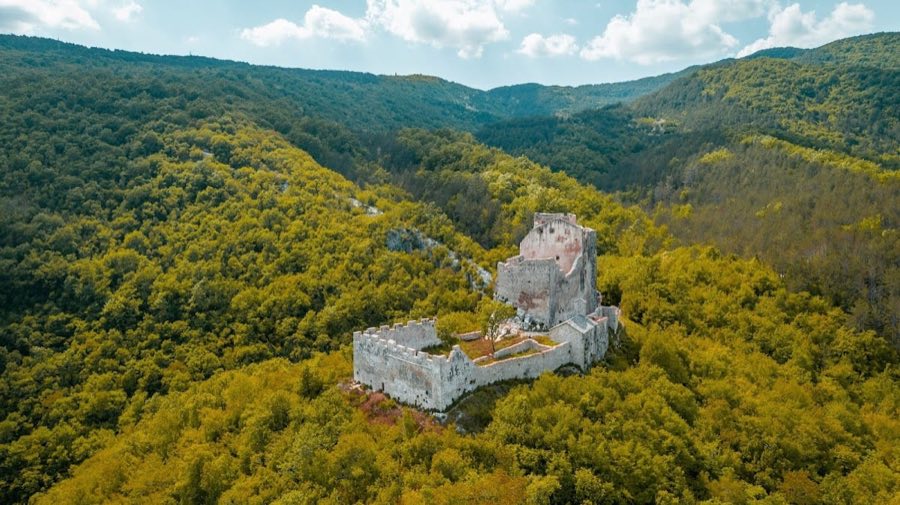
The archaeological remnants of Posert Castle reveal a fortress with an irregular trapezoidal shape, its broader side oriented toward the north. The fortress is built primarily from local stone, following the medieval construction techniques typical for defensive structures in the region. The layout includes two main areas: a central section positioned in the northern part of the castle and an outer fortified yard that spans the middle and southern sections. This arrangement suggests a design focused on layered defense, with a protected inner core surrounded by an external courtyard.
One of the most prominent features still standing is a rectangular defensive tower. Originally reaching five stories, this tower survives today up to about 17 meters in height. Its footprint measures roughly 8 meters by 6 meters, and its interior reveals an irregular spatial organization, likely adapted to the needs of defense and habitation. The tower’s robust stone walls exemplify the military architecture of the late medieval period.
The fortress ruins have been carefully stabilized and partially restored in the 21st century to preserve their structural integrity. Though no specific inscriptions or decorative elements have been recorded, the substantial stonework offers insight into building practices of the time. The nearby Church of St. Martin, dated to 1367, stands as a contemporaneous religious site linked spatially and historically to the fortress complex.
Today, the ruins serve as a tangible record of past feudal holdings and military conflicts in Istria, with their enduring walls reflecting centuries of change that shaped the local landscape.
No. 48954

No. 73207
No. 49334
No. 98483
Comments
Comments for Posert Castle will require a verified account before posting.
We'll send a verification link before your first comment is published.