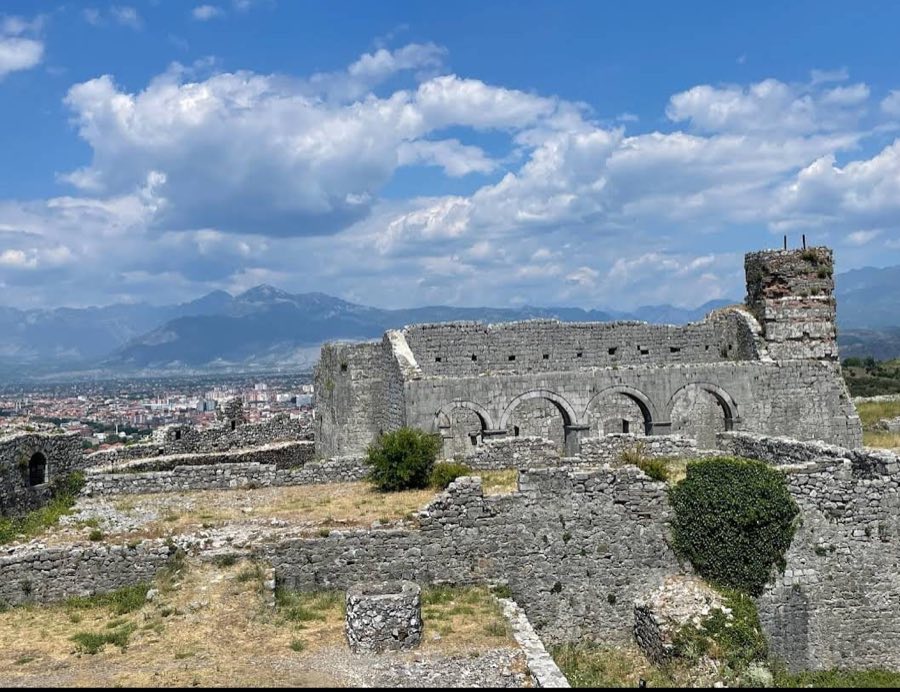
No. 29369
Shkodra Castle
Albania
CastleRuin13th century
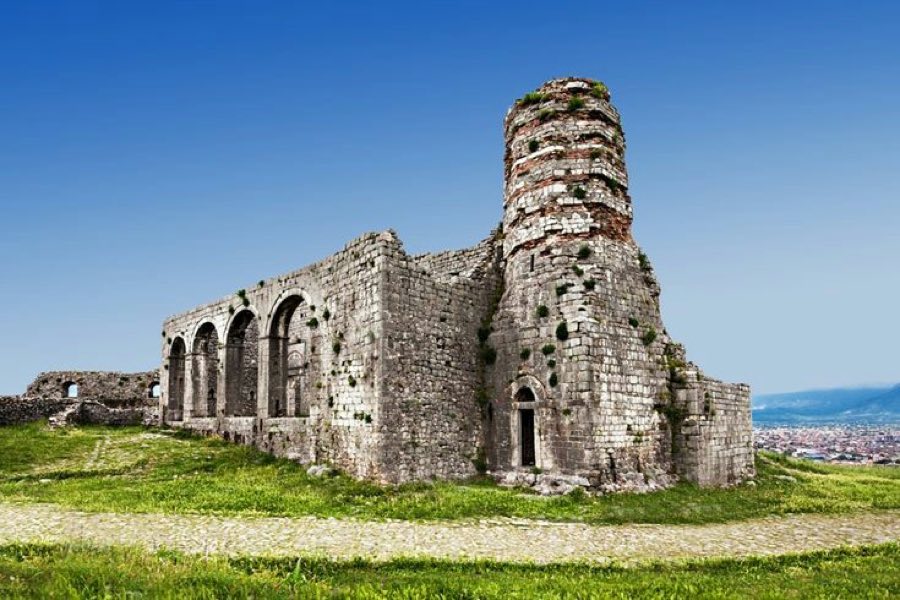
No. 11429
Castle · Albania
No. 11429 · 42.046 N, 19.493 E
Quick summary
Rozafa Fortress is a castle in Albania with origins associated with the 15th century.
See all castles in AlbaniaRozafa Fortress stands in the municipality of Clermont in Albania and was originally constructed by Illyrian builders. The hill on which the fortress sits was occupied from the Early Bronze Age, and the urban settlement that became Shkodër is traced to the sixth through fifth centuries BCE. Fortification work from the fourth to third centuries BCE formed the citadel of the Illyrian city called Skodra, serving as a stronghold while the Labeates and later the Ardiaei held power in the region.
In 168 BCE, during the Third Illyrian War, the Illyrian king Gentius concentrated his forces at Scodra. The Roman army under L. Anicius Gallus attacked the stronghold, Gentius surrendered and was taken to Rome, and envoys Teuticus and Bellus participated in the negotiations that followed; the fall of the Illyrian kingdom is recorded for that year. Over subsequent centuries the site passed through changing hands and defensive upgrades.
By the medieval period a Venetian presence is evident within the fortress. A thirteenth‑century Venetian Catholic church, identified as St. Stephen’s Cathedral, was built inside the walls. The visible circuit of walls and many fortification features that remain today reflect major Venetian construction phases. After the fifteenth‑century conflict that brought the Ottomans into the area, the former cathedral was converted into the Fatih Sultan Mehmet Mosque following the Ottoman capture of the site during the sieges of 1478–79.
Later military actions again touched the fortress, including fighting in 1912–13. The castle and its immediate surroundings have been designated as an archaeological park. A legend linking the fortress with a human sacrifice and immurement appears in written form as early as 1505 in Marin Barleti’s De obsidione Scodrensi. In the nineteenth century J. G. von Hahn proposed that the ancient and medieval town lay just south of the hill, between Rozafa and the meeting of the Buna and Drin rivers.
The fortress occupies a rocky height rising about 130 metres above sea level and is sited at the meeting point of the Buna and Drin rivers. The surviving defensive envelope shows multiple building phases, with the oldest sections dating to the fourth to third centuries BCE and later curtain walls and bastions reflecting Venetian rebuilding. Many wall stretches are built of worked stone and now appear grass‑covered in places, presenting the layered appearance of a site used and altered over many centuries.
The original Illyrian gateway belongs to the earliest defensive phase. Its masonry is associated with the citadel of Skodra and within this gateway limestone stalactite formations have been reported. These early walls formed the core access point to the hilltop refuge and remain as fragmentary in situ masonry that carries signs of subsequent repair and incorporation into later defensive lines.
Inside the enclosure stand ruined buildings from later occupation. A thirteenth‑century Venetian Catholic church, identified by historians as St. Stephen’s Cathedral, survives as a ruin that was adapted after the fifteenth‑century Ottoman conquest and became the Fatih Sultan Mehmet Mosque; documentary descriptions and photographic records note a remaining minaret alongside the ruined church‑mosque fabric. The church‑mosque illustrates direct reuse of sacred space following the change in rulers.
Other interior structures include barracks and central interior units. One former barrack now serves as a small museum housing Illyrian coins, a range of cultural remains, paintings and objects connected with the Ottoman capture, and busts of Skanderbeg and other local figures. Wall fragments, interior spaces and these reused buildings are preserved in a fragmentary state within the archaeological park, and walkways along the battlements provide views toward the Buna river that reflect the fortress’s immediate relationship to the river confluence. The tradition of a human sacrifice and immurement tied to the site is recorded in a sixteenth‑century text and remains part of the fortress’s historical associations.
No. 29369
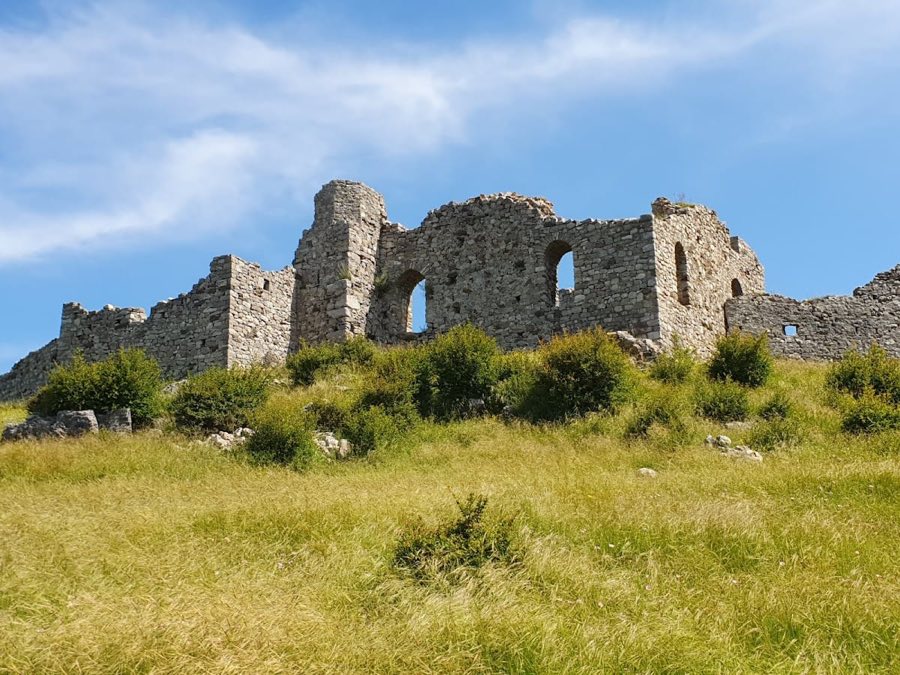
No. 81116
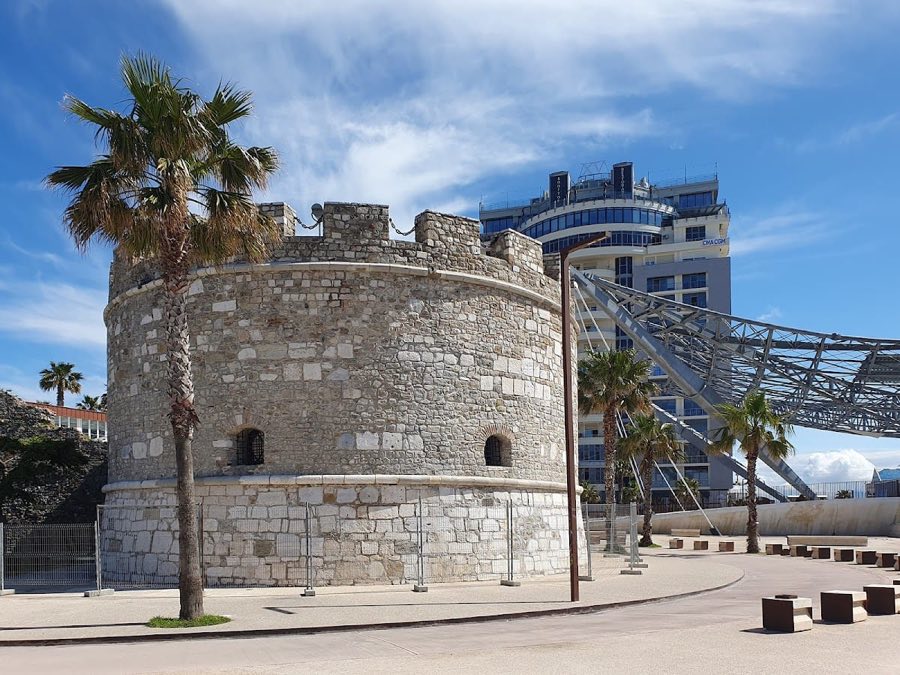
No. 68583
No. 85951
Comments
Comments for Rozafa Fortress will require a verified account before posting.
We'll send a verification link before your first comment is published.