No. 54848
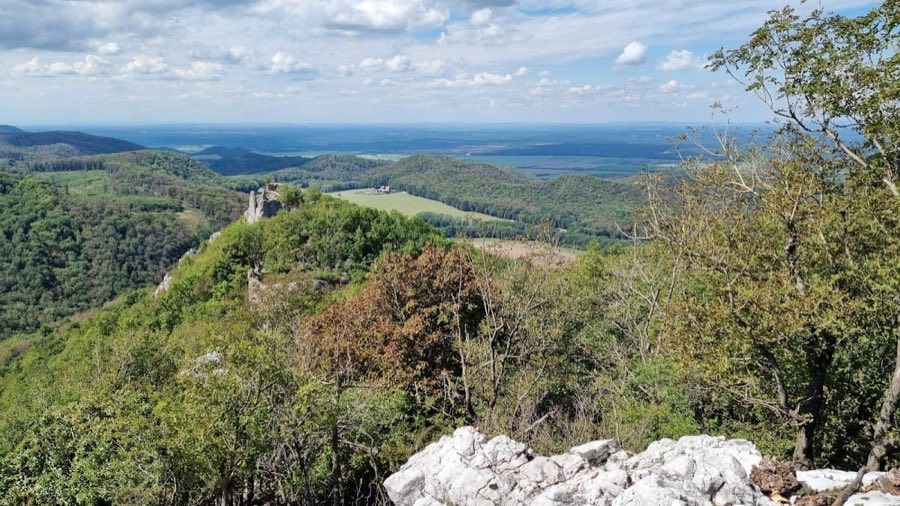
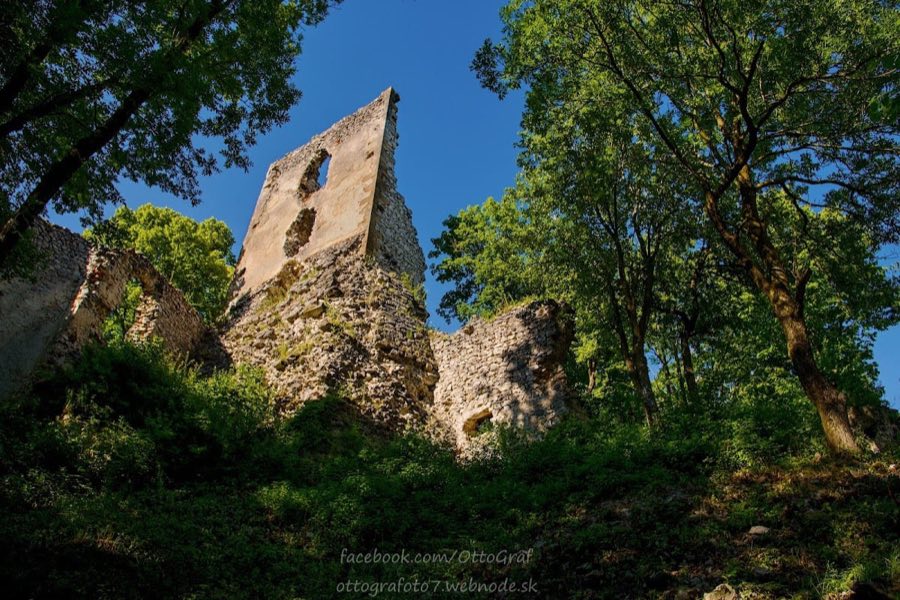
Ostrý Kameň Castle
Slovakia
CastleRuin13th century
No. 69165
Castle · Slovakia
No. 69165 · 48.514 N, 17.432 E
For events
Smolenice Castle is marked as a château or castle venue lead. Capacity, indoor/outdoor spaces, catering rules, and accommodation options are published only after public verification.
Event types: Private events, Cultural gatherings, Filming and photography
Quick summary
Smolenice Castle is a castle in Slovakia with origins associated with the 20th century.
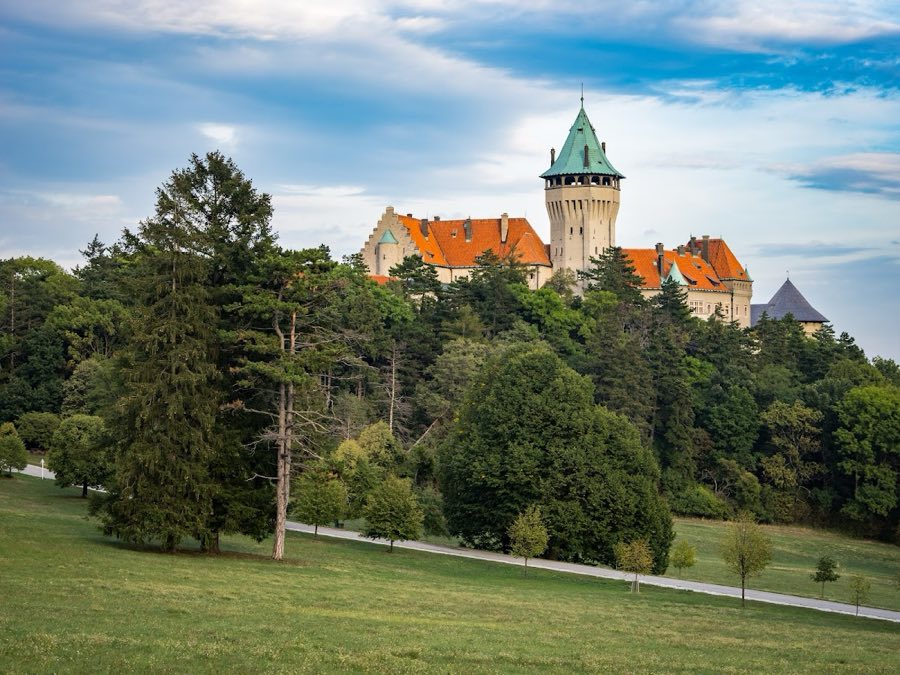
See all castles in SlovakiaSmolenice Castle in Smolenice, Slovakia is a fortified hilltop palace with medieval origins, first recorded in 1263 and later rebuilt in Renaissance form in 1583 before receiving a late 19th–early 20th century historicist reconstruction in a romantic style. The site occupied a strategic position above a mountain pass and guarded a medieval trade route between Hungary and Bohemia, which gave it longstanding military and economic importance in the region.
The earliest centuries saw the settlement evolve into a watch castle serving the Jablonica–Trstin mountain pass. Documentary references place this transformation in the 14th century, with another account dating the original build to the mid-15th century. The medieval fortress included projecting defensive platforms and a central keep that controlled movement along the nearby road linking what is now Hungary and the Czech lands.
In the early 1500s the estate passed into the hands of the Országh family and later into the Erdődy family. Members of the Erdődy household, including Tamás Erdődy and Gabriel Erdődy, lived and died at the castle during the first half of the 17th century, and family burials are recorded in the parish church at Smolenice. The castle remained a noble residence through the early modern period and underwent a Renaissance rebuilding in 1583.
The complex suffered repeated destruction in later centuries. It was partly damaged during the Rákóczi War of Independence (1703–1711), the Hungarian uprising against Habsburg rule, and a significant fire in 1762 led to partial reconstruction and conversion of some spaces for use as a prison. During the Napoleonic wars a catastrophic blaze consumed the donjon and several towers, leaving the site largely ruined.
Ownership returned to the Pálffy family in the second half of the 19th century and from 1887 a major rebuilding campaign began in a romantic historicist idiom. Work continued in stages through the late 1800s and into the early 20th century, with construction extending to 1937 and some finishing work left incomplete by the outbreak of the Second World War. Building activity was interrupted by the First World War.
In spring 1945 the castle sustained wartime damage and that same year the Pálffy family lost ownership when the estate was nationalized. On 26 June 1953 the property was transferred to the Slovak Academy of Sciences, which used it as a summer residence and later developed it into a congress facility. State and Academy-led repairs and additions in the 1950s and 1960s completed the rebuilding program, after which the palace was described as one of the youngest palace buildings in Slovakia. Since the mid-20th century the complex has served as a conference centre and has been opened to visitors in the summer months.
The castle crowns a high hill on the eastern slope of the Little Carpathians, roughly 300 metres above sea level beneath the higher ridge. The rebuilt principal block presents two wings flanking a main tower, a composition established during the late 19th–early 20th century reconstruction. Elements of the older defensive circuit were incorporated into this layout so that the modern palace rises from a silhouette that preserves the footprint of the medieval fort.
Surviving medieval fabric includes stretches of curtain wall and a pentagonal tower, the latter forming part of the former projecting gun platform (bastion). These defensive works date to the medieval phase and remained after the great fires of the Napoleonic period. During the 19th-century rebuilding the older bastions were lifted by adding wall superstructures and fitted with new roofs, so the medieval masonry was both conserved and integrated into new elevations.
The later palace fabric contains modern structural elements as well as traditional masonry. The principal building includes reinforced concrete within its construction, reflecting building techniques employed in the later rebuilding phases. Interior work begun under the Pálffy restorations remains only partly completed in places, producing a mixture of finished rooms and spaces left in different stages of refitting.
Associated features added in the post-medieval period include a Baroque chapel erected by the Pálffy family near Smolenice and an English-style park that frames the hilltop site. The castle stands linked to local walking routes toward Záruby and Jahodník, and today the restored complex functions as a congress and conference centre while retaining its parkland setting and the composite fabric of medieval walls, later roofs, and modern structural insertions.
No. 54848
No. 21126
No. 39822
No. 78114
Comments
Comments for Smolenice Castle will require a verified account before posting.
We'll send a verification link before your first comment is published.