No. 74724
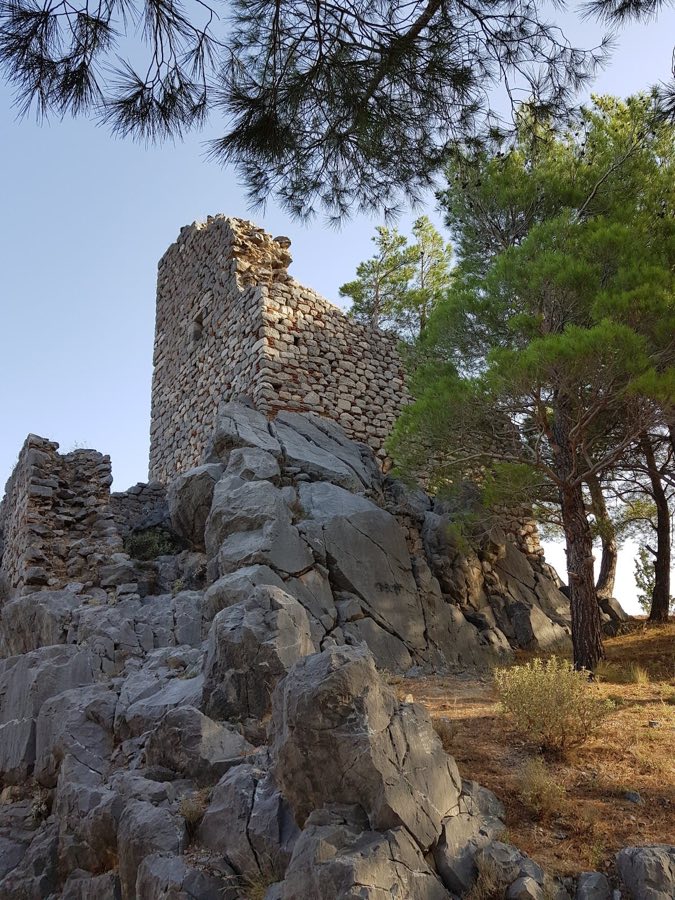
Levadia Medieval Castle
Greece
CastleIntact14th century
No. 73697
Palace · Greece
No. 73697 · 38.163 N, 23.792 E
For rent
Tatoi Palace is marked for bookable castle accommodation. Nightly pricing, sleeps count, stay rules, and amenities are displayed only when public operator data is available.
Rental type: Hotel / bookable stay, Short-stay rental
Short-term availability: Bookable accommodation signal
For events
Tatoi Palace is marked as a château or castle venue lead. Capacity, indoor/outdoor spaces, catering rules, and accommodation options are published only after public verification.
Event types: Private events, Cultural gatherings, Filming and photography
Accommodation: Accommodation signal present
Quick summary
Tatoi Palace is a palace in Greece with origins associated with the 19th century.
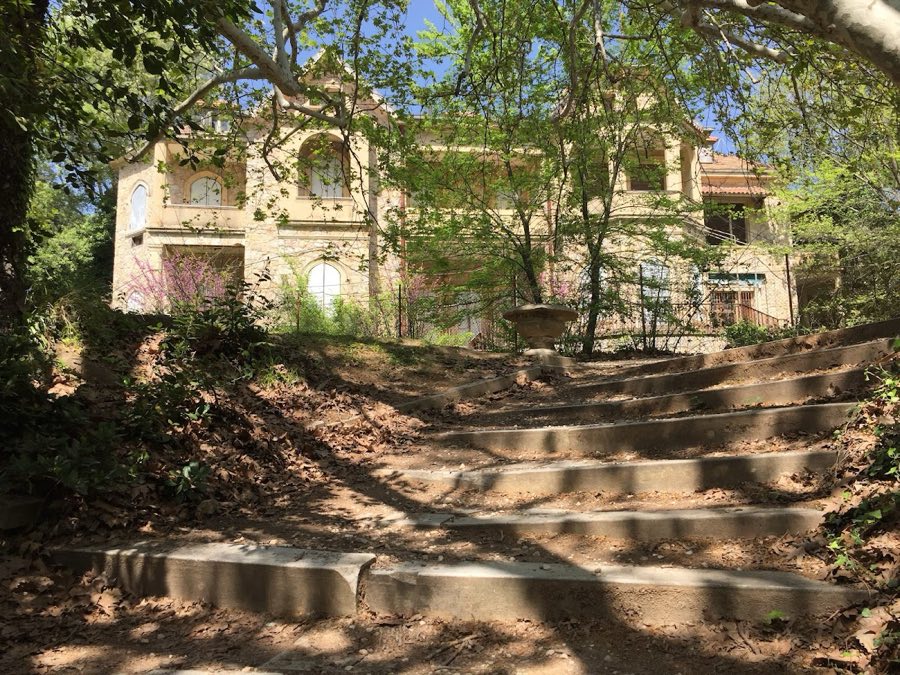
See all castles in GreeceTatoi Palace in Acharnes, Greece, is the former summer residence and agricultural estate of the modern Greek monarchy, created in the late 19th century in styles that included a neo‑Swiss picturesque villa and a larger farmhouse-inspired palace modeled on a Peterhof prototype. The grounds served as a major royal home and working estate, and the property played a recurring role in modern Greek political life while also containing the dynastic burial ground for the royal family.
The place occupied land known in antiquity as the deme of Decelea, where Spartan forces established a fortified position during the Decelean War in 413 BCE. In later centuries the area formed part of Ottoman agricultural estates, organized as large çiftliks with mills, chapels and scattered settlements. The modern name “Tatoi” comes from a local leader, and the land passed through private Ottoman-era owners before purchase by the Greek crown.
In 1872 King George I of Greece bought the property and rapidly transformed it into a private royal estate. The first villa was completed in 1874, and a substantially larger palace was built between 1884 and 1886 and inaugurated in 1889. From the 1870s onward the estate expanded through further acquisitions and active management, including systematic tree planting and the construction of roads and service facilities to support agricultural and animal production.
A funerary complex for the dynasty took shape at the end of the 19th century. A cemetery church was founded around 1898–1900 on Palaiokastro hill, and from that period members of the royal family were interred there. During the same decades the estate’s farmland, workshops and housing were improved to serve a large permanent staff and seasonal royal use.
A major forest and building fire in 1916 caused heavy loss of trees, animals and several estate structures, including a chapel and parts of the older villa. Reconstruction followed, and further substantial repair and modernization works were carried out in the late 1930s, altering façades and structural elements of the main palace. Between the world wars and after, the estate continued to function as both a residence and an agricultural enterprise; long-term onsite management reorganized farming and livestock facilities during the mid-20th century.
Wartime occupation, looting and deliberate destruction affected the estate during World War II and in the immediate postwar years, including two recorded sackings and a destructive fire in August 1945. The royal family used Tatoi as a habitual summer home for extended periods from the late 19th century and again after the 1940s until December 1967, and the palace hosted official ceremonies and political consultations at times.
The estate’s ownership passed through contested phases in the 20th century. The property was taken into state hands after the proclamation of the Second Hellenic Republic in 1924, it was again confiscated under the 1973 junta, and legal disputes continued until the State assumed final possession in 2003 following a monetary settlement with members of the former royal family. After public acquisition the estate was listed for protection in September 2003, governmental proposals for a museum were announced in 2007, and a civil-society group known as Friends of Tatoi formed around 2012 to campaign for restoration and opening. Preparatory conservation work began again in 2020, but the estate suffered severe new losses when wildfires in 2021 burned much of the planted forest and damaged numerous auxiliary buildings and containers holding palace objects.
The estate presents a large, park-like complex centered on two main residential palaces surrounded by extensive planted forest, service yards and agricultural infrastructure. The older central house, erected in 1874, sits on a high stone base and shows a picturesque, neo‑Swiss character with a steep, two‑pitched roof. Nearby stands the larger palace completed in the late 1880s, which follows the visual model of a stately farm complex and served as the principal royal residence. Both buildings were altered during modernization works in the late 1930s that replaced some metal decorative elements with reinforced concrete and changed openings and façades.
A purpose-built funerary ensemble crowns Palaiokastro hill in the southern wooded zone of the estate. The Church of the Resurrection, established around 1898–1900, and the surrounding dynastic cemetery occupy a sheltered, forested site where many members of the royal family are buried. A mausoleum complex added in the 1930s–1940s forms part of this cemetery group. Conservation and cleaning work has taken place in connection with modern funerary events, and the cemetery remains enclosed by the estate forest.
Service and staff buildings cluster west and north of the palaces, forming a functional estate quarter. These include a staff wing built about 1913–1914, a director’s residence, collective worker housing and workshops known locally as the mándra, royal stables, a small hotel on site called Tatoion, and a converted windmill tower that housed an archaeological display and a taxidermy collection on its upper floors. Agricultural structures comprise a winery with a sizable cellar, a butter and dairy building, a piggery and rebuilt barns after 1948, grain stores and various craft workshops such as a blacksmith’s shop.
Infrastructure worked across the estate to support both production and landscape character. Large-scale tree planting created the estate woodlands, and an extensive network of roads and avenues—recorded as running to several hundred kilometres of paths and lanes—links fields, buildings and viewpoints. Bridges, a structured water-supply and a fire-protection system were installed, and two small artificial lakes were created to store water. A public road to Chalkida crosses the property and historically passed a roadside hostel known as Hani tou Lygda.
Condition varies across the ensemble. The 1916 conflagration consumed much of the planted forest, livestock holdings and a number of buildings including the Prophet Elias chapel and parts of the older villa. Damage from wartime looting and a destructive fire in August 1945 further harmed buildings and collections. Decades of neglect and episodes of vandalism from the 1970s onward left many interiors compromised. The 2021 wildfires burned extensive forest areas and multiple auxiliary structures, including the staff building, the communications building, the director’s office and containers holding palace objects, leaving several parts fragmentary while others remain standing and subject to ongoing conservation work.
Movable heritage and display elements were located in several buildings. The windmill tower contained archaeological and zoological exhibits, and the estate housed carriage and automobile collections along with a large stored bottle collection in the winery. Some of these vehicles and designated cultural objects were moved into new storage in 2020 as part of preparatory conservation measures.
No. 74724
No. 10250
No. 35866
No. 74365
Comments
Comments for Tatoi Palace will require a verified account before posting.
We'll send a verification link before your first comment is published.