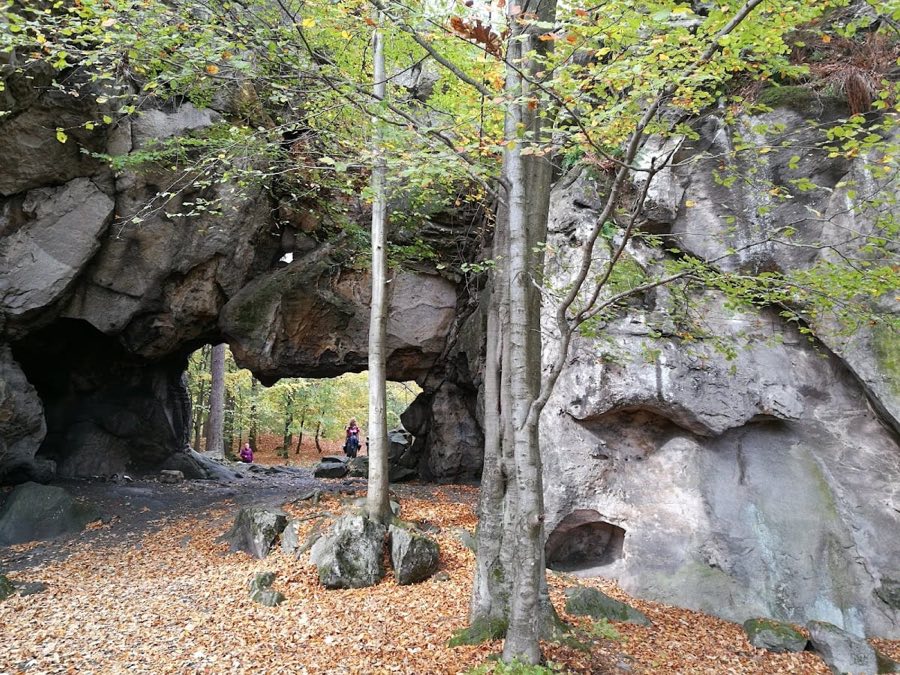
No. 36829
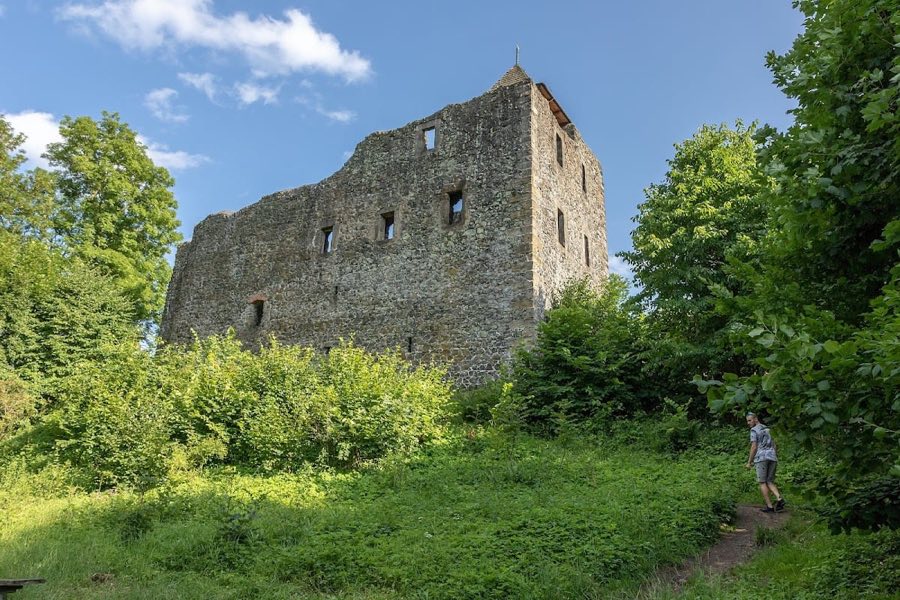
Milštejn Castle
Czechia
CastleRuin13th century
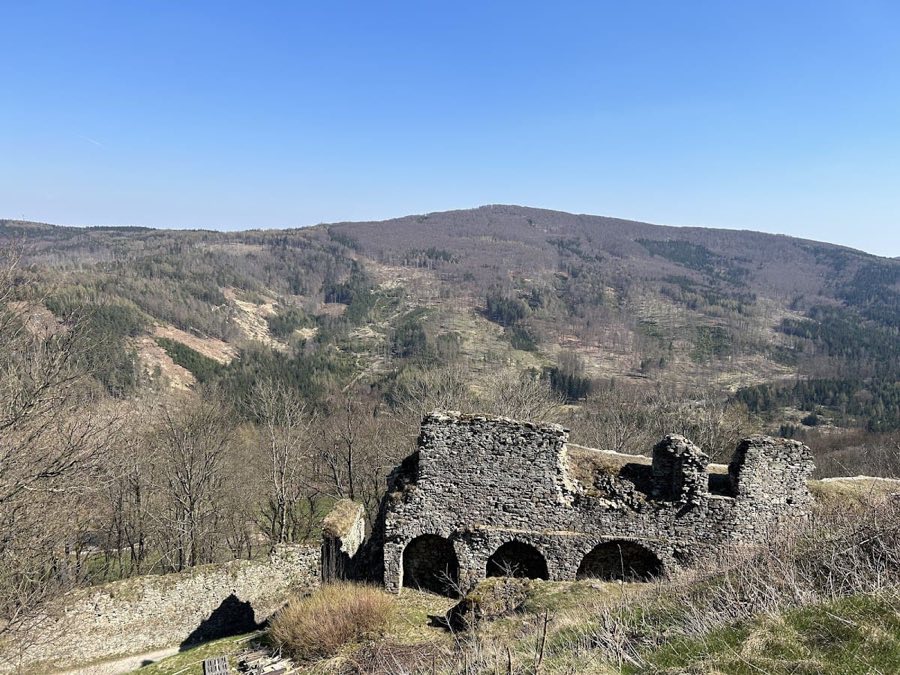
No. 81275
Castle · Czechia
No. 81275 · 50.857 N, 14.582 E
Quick summary
Tolštejn Castle is a castle in Czechia with origins associated with the 14th century.
See all castles in CzechiaTolštejn Castle is located in the municipality of Jiřetín pod Jedlovou in the modern Czech Republic. It was built in the early 14th century by the medieval Bohemian civilization on a pair of phonolite rock formations in the Lusatian Mountains, serving as a fortress controlling the key passage from Lusatia into the Czech lands.
The earliest mention of Tolštejn dates to 1337, with the Vartenberk family as its initial owners. Vaněk of Vartenberk, the first confirmed lord, undertook significant rebuilding of the castle under his feudal duty to the Czech king. In the early 15th century, ownership transferred to the Berka family of Dubá, who became involved in the region’s turbulent conflicts, including the Hussite Wars and disagreements with Lusatian towns.
In 1463, the castle came under siege from forces of Lusatia on orders from the Bohemian crown due to Albrecht Berka’s opposition to King George of Poděbrady. After capture, the castle changed hands multiple times; in 1471 it was sold to the Saxon margraves and later, in 1485, came into possession of the Šlejnic family. Under these owners, the castle remained strategically important amidst continuing regional strife.
By the mid-16th century, Tolštejn ceased to be a noble residence as its owners moved to a Renaissance chateau in nearby Rumburk. Yet it retained military value through the late 1500s, maintaining artillery and ammunition. During the Thirty Years’ War, in 1642, Swedish troops commanded by General Wrangel besieged and partly destroyed the castle by fire. After this event, Tolštejn was abandoned as a fortress and descended into ruin, later becoming a refuge for bandits known as robber knights.
Beginning in the 18th century, the castle ruins attracted visitors, leading to the establishment of a Swiss-style inn by Johann Josef Münzberg in 1866. The site drew notable cultural figures such as the poet Rainer Maria Rilke. Tolštejn remained under the ownership of the noble Lichtenstein family until 1923, when it became state property under Czechoslovakia. Despite limited archaeological investigation due to the rocky terrain, no remains older than the original 14th-century masonry have been conclusively dated, and any early wooden construction has not survived.
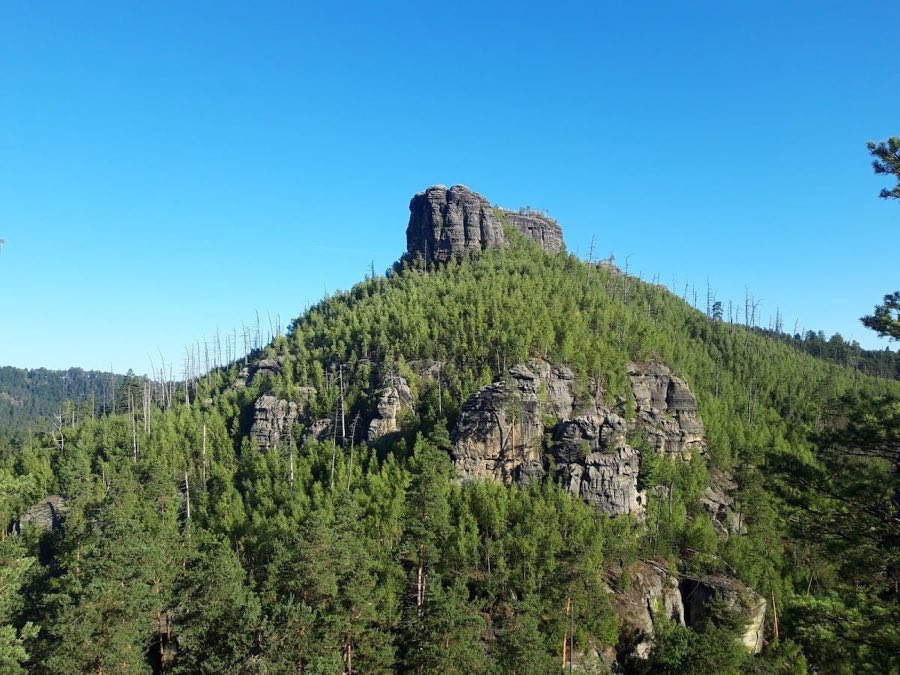
Tolštejn Castle is a Gothic fortress built upon two steep phonolite rock spires connected on the west by a narrow ridge leading to Jedlová mountain. Its defensive arrangement capitalized on the natural vertical cliffs on the south and east sides, while human-made fortifications including walls and moats protected the northern approaches.
At the base of the rock formations lies the lower castle, encircled by a ring of walls and towers. The main southern entrance was a robust square building featuring two gates and a passage, once adorned with the Berka family crest now preserved in a museum. Above this gate stood a sizable prism-shaped tower, reaching nearly 20 meters in height, which contained a kitchen with two chambers alongside a cellar and a beer cellar. This gate complex was roofed and likely equipped with a drawbridge, though any moat it may have spanned has since disappeared.
Just beyond the gate stood a distinctive hexagonal bastion rising approximately eight meters high. This bastion housed a cellar that included a tiled bath with channels for water flow, which is now filled in. Its upper floor probably functioned as a chapel, as indicated by a painted Šlejnic family coat of arms on the exterior wall and possible 16th-century fresco decorations. Adjacent to the bastion, a rectangular defensive structure contained a knight’s hall on its upper level.
Another notable feature is the horseshoe-shaped tower with three stories situated near the bastion. Its ground floor served as a dungeon, where skeletal remains have been discovered. The entrance to this dungeon was located about five meters above ground level, accessible only by stairs attached to the defensive wall. The curtain wall extended from this tower southward toward a steep cliff, thus closing the fortification line. Remains of window openings at wall height reveal that wooden buildings were once attached to the stone walls.
Water supply was managed by a cistern collecting rainwater, now filled in, alongside an aqueduct dating to the 15th or 16th century that brought water from Jedlová mountain. Archaeologists have found remnants of pipes associated with this system, demonstrating advanced water management for the fortress.
The upper castle was situated on the rock summits themselves, linked by a stone wall between the two spires. A tower stood on the larger spire, accessed by steps cut directly into the rock. Burn layers remain visible here, testament to the castle’s violent destruction during the Thirty Years’ War.
In the 15th century, key defensive reinforcements were added, including a massive shield wall six meters thick and fifteen meters high, designed to protect against artillery attack. This wall incorporated a polygonal bastion on the northern side with walls nearly four meters thick, intended to mount cannons. These enhancements are attributed to Wendel Rosskopf, a pupil of the noted architect Benedikt Rejt.
Later Renaissance alterations included minor changes such as the addition of a transverse wall across the dungeon and the construction of residential buildings that have not survived. By the late 16th century, inventories record numerous interior chambers, halls, and storage areas within the castle. Its armaments at that time included several small-caliber cannons and a stock of powder and iron shot, reflecting its ongoing military role.
Today, the remains of Tolštejn Castle stand protected as a cultural monument, with ruins that vividly display the fortress’s complex medieval defenses and the natural rock formations integral to its design. The walls and surrounding area also support rare heat-loving plant species, adding botanical interest to this historic site.
No. 36829
No. 33483
No. 26391
No. 89899
Comments
Comments for Tolštejn Castle will require a verified account before posting.
We'll send a verification link before your first comment is published.