No. 47496
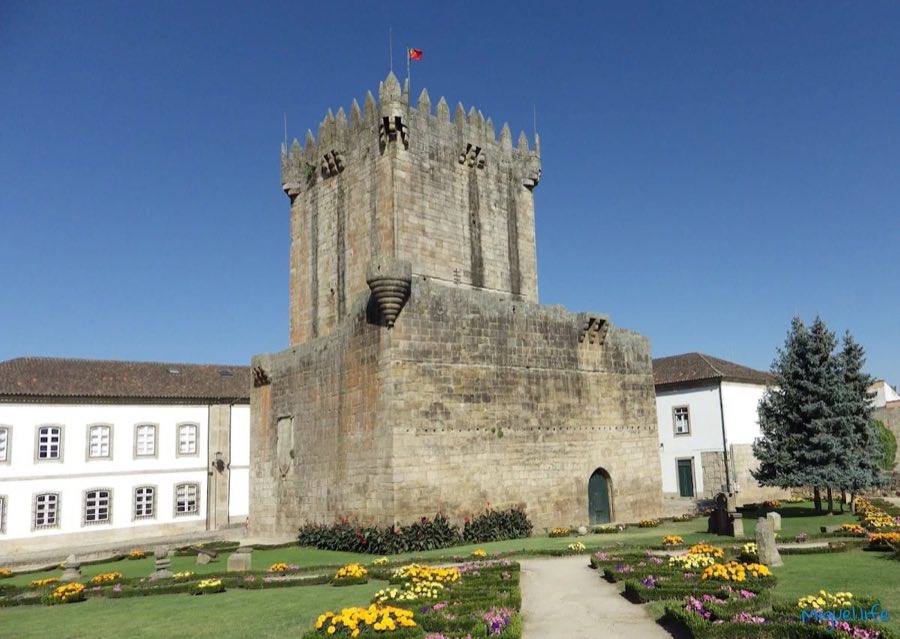
Montalegre Castle
Portugal
CastleRuin8th century
No. 75232
No. 75232 · 42.088 N, 7.673 W
Quick summary
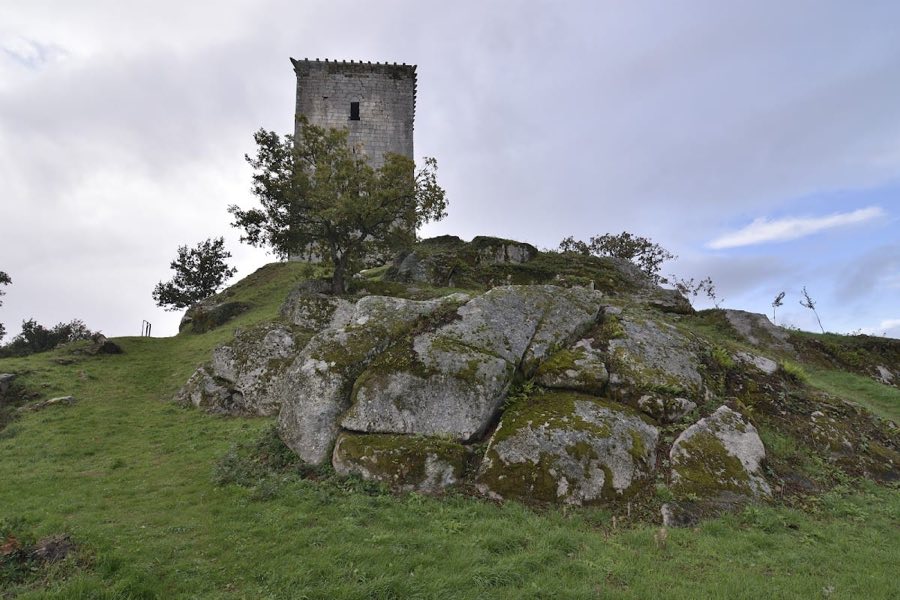
Tower of A Pena is a castle in Spain with origins associated with the 18th century.
See all castles in SpainThe Tower of A Pena is situated in Xinzo de Limia, Spain. Constructed during the medieval era, it formed part of a defensive network set up by the Kingdom of Castile to protect the border region of La Limia from Portuguese advances. This area was the scene of ongoing conflicts between Castile and Portugal, with control over the land and its fortifications changing hands multiple times throughout history.
One significant event in the tower’s history occurred in 1386 when John of Gaunt, the Duke of Lancaster, led a conquest that captured the fortress amid the turmoil of medieval Iberian wars. Following its strategic military importance, ownership of the tower passed through several noble families. Initially, the Viedma family held the fortress, before it transferred to the House of Monterrey through inheritance. Later, the House of Lemos gained control by marriage, sparking extended legal disputes between the Monterrey and Lemos families over rightful possession of the stronghold.
The tower remained militarily relevant beyond these medieval conflicts. Oral accounts from local residents recall conscription options including service at the Tower of A Pena or nearby Monterrey, indicating that the fortress played a role in local defense well into later centuries. However, by the 18th century, the tower was abandoned following its integration into the Mayordomía, a form of stewardship connected to the administration of the Xinzo de Limia municipality.
In modern times, acknowledgement of the tower’s historical and cultural value led to its designation as a Bien de Interés Cultural, a protected status recognizing its heritage importance. In 2009, stewardship of the tower was transferred from the Spanish central government to the regional Xunta de Galicia, joining other similar regional fortifications under local care.
The Tower of A Pena presents a robust square structure measuring approximately 10 meters on each side. Its construction utilizes squared ashlar blocks laid in regular horizontal layers, with walls about 2.4 meters thick demonstrating the effort put into creating a strong defensive position. Visible mason’s marks on the stones provide insight into the medieval craftsmanship behind its erection.
Key architectural elements include an entrance located above ground level, accessible originally by a wooden staircase that has since disappeared. This elevated doorway is supported by corbels shaped like eight-petaled leaves, which hold up a lintel surmounted by a relieving arch. Above the arch sits the coat of arms of the founding Viedma family, marking the tower’s initial noble association.
Inside, the tower’s interior is arranged across three floors, each spanning vaulted ceilings in the form of barrel vaults—curved stone ceilings shaped like half cylinders. The ground floor vault was built taller than usual to accommodate an intermediate wooden floor, likely used for daily domestic activities, separating living and storage spaces within the tower.
Surrounding the main tower, remnants of an oblong defensive wall adapt to the natural shape of the hill on which the fortress stands. This enclosure once featured arrow slits, narrow vertical openings known as ventanas saeteras, designed for archers to defend the tower while remaining protected. These features underscore the fortress’s military role.
Situated approximately 747 meters above sea level, the tower offers commanding views over the La Limia plain, a landscape formerly covered by the extensive Antela Lagoon before it was drained in the 20th century. Nearby, remains of a stone quarry indicate that the tower’s builders sourced their materials locally, further connecting the fortress to its immediate environment.
Today, the tower remains structurally intact enough to be approached and examined externally. Its original wooden stairway is lost, contributing to the difficulty of entering the interior but also aiding in the preservation of the site. Despite some risks from vandalism, the preserved fabric of the tower continues to reflect its medieval defensive design and strategic importance.
No. 47496
No. 93814
No. 22940
No. 18298
Comments
Comments for Tower of A Pena will require a verified account before posting.
We'll send a verification link before your first comment is published.