No. 65089
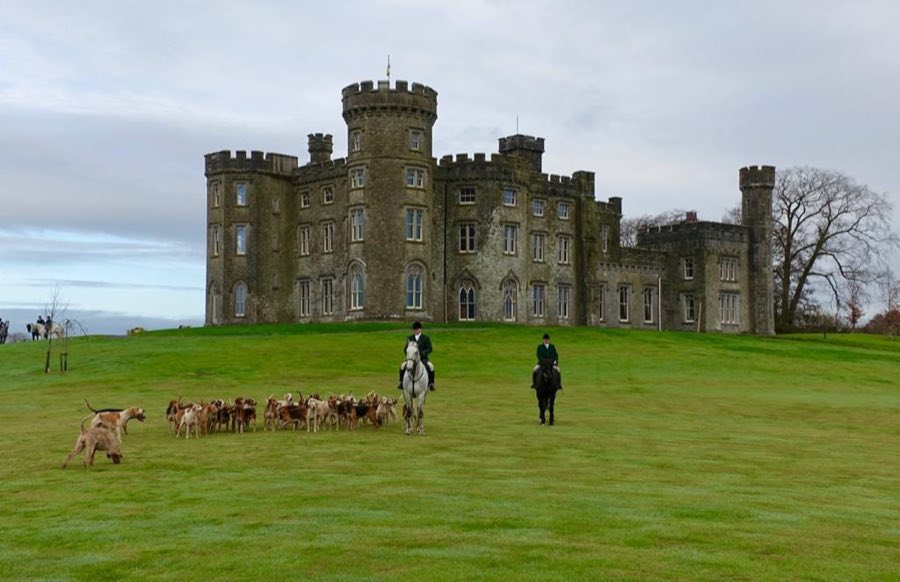
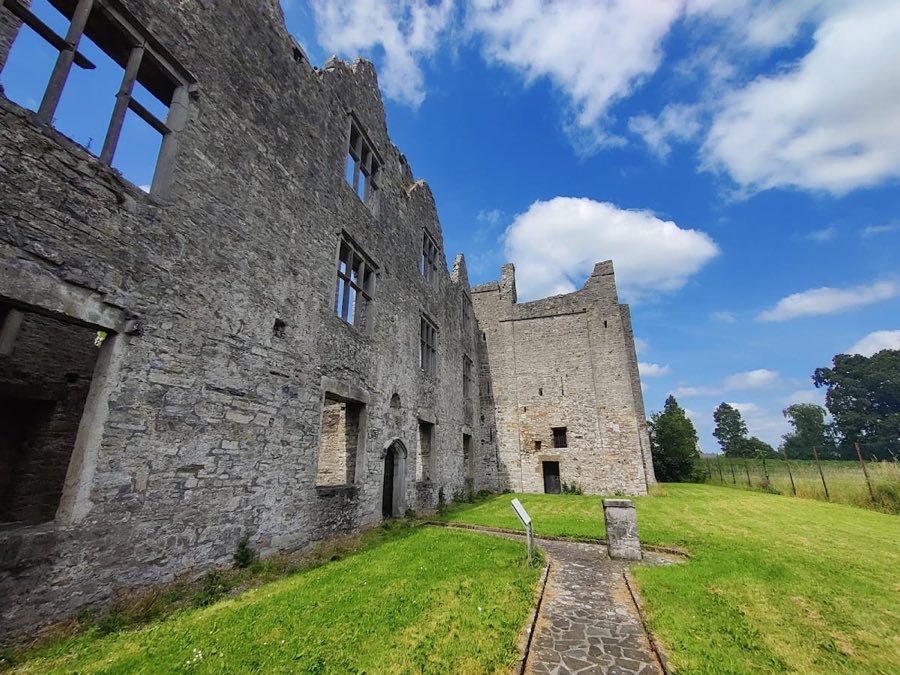
Killua Castle
Ireland
CastleRuin17th century
No. 36910
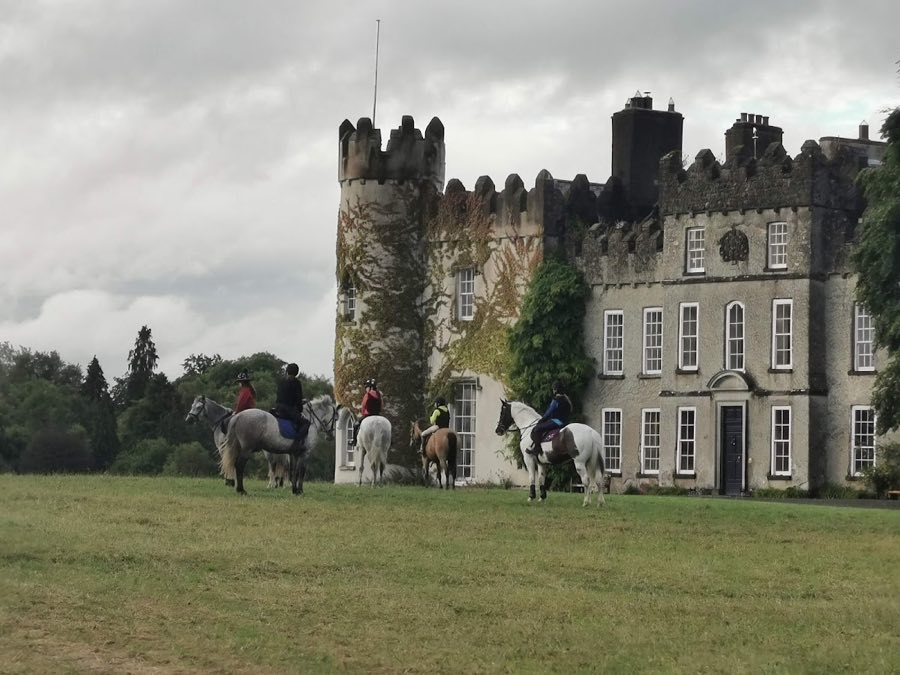
Palace · Ireland
No. 36910 · 53.634 N, 7.026 W
For events
Ballinlough Castle is marked as a château or castle venue lead. Capacity, indoor/outdoor spaces, catering rules, and accommodation options are published only after public verification.
Event types: Private events, Cultural gatherings, Filming and photography
Quick summary
Ballinlough Castle is a palace in Ireland with origins associated with the 17th century.
See all castles in IrelandBallinlough Castle stands near Clonmellon in County Westmeath, Ireland, as a notable example of a fortified country house constructed in the early 17th century. It was built by members of the O’Reilly family, who played a significant role in the area’s landed gentry. The precise year of construction is traditionally given as 1614, a date supported by the presence of the O’Reilly family coat of arms above the main entrance, although some scholars have expressed reservations about the exactness of this date.
During the late 18th century, around 1790, Sir Hugh O’Reilly undertook significant expansions to the property. He added a new wing to the castle, which is thought to have been designed by Thomas Wogan Browne, an amateur architect known for his work on Malahide Castle — the home of Sir Hugh’s sister, Margaret. This period of enlargement reflects the family’s continuing prosperity and influence in the region.
In 1812, the family underwent an important change when Hugh O’Reilly was granted a baronetcy and, by royal licence, adopted the surname Nugent. This change followed a bequest from Hugh’s maternal uncle, John Nugent. Since that time, the Nugent baronets have occupied the castle, maintaining it as their ancestral seat. Remarkably, through centuries marked by political and religious changes in Ireland, the Nugents have remained one of the few Irish Catholic families to continuously inhabit their original family home. The castle remains in their possession, now belonging to the eighth Baronet Nugent.
In the 21st century, the estate surrounding Ballinlough Castle has become a venue for various cultural events, hosting notable music performances and festivals. These gatherings, beginning in 2006, include appearances by artists such as Kenny Rogers and Van Morrison, as well as a range of festivals including the Life Festival in 2009 and Ireland’s first gay music festival, MILK, in 2010. Additionally, the Body & Soul music festival has been held annually on the grounds since 2010, indicating the castle’s ongoing role as a vibrant cultural site.
Ballinlough Castle is a fortified country house typical of 17th-century construction, sited prominently on a hill that overlooks two lakes within a wooded landscape in Westmeath. Its elevated position grants extensive views over surrounding water and forest, reflecting an intentional choice that combined defense and aesthetic appeal.
The layout includes a ground floor featuring a large drawing room and a dining room, spaces associated with social activities and formal gatherings. Above, the first floor contains four bedrooms accessed by a distinctive vaulted corridor, an architectural feature that adds both structural strength and a sense of grandeur to the interior space.
Among its noteworthy elements are the exceptionally tall windows found throughout the castle, which are reportedly the tallest installed in a private house from that period. These large windows maximize natural light and scenic views, underscoring a design that balanced fortification with domestic comfort.
The drawing room is distinguished by a chimneypiece identical in design to a known Wyatt chimneypiece at Curraghmore House in County Waterford. This architectural detail links Ballinlough Castle to broader stylistic trends among Irish country houses of its era.
The castle’s setting is complemented by private gardens, lakeside areas, and woodland walks. Though these surrounding landscapes remain closed to the public today, they contribute to the estate’s historic character and natural beauty. The castle’s construction materials and precise building techniques are not extensively documented, but it embodies the fortified style of the early 1600s.
Overall, the archaeological and architectural remnants at Ballinlough Castle reveal a well-preserved example of a 17th-century fortified residence that has adapted through centuries while retaining key elements of its original design and continuing to serve as a family home.
No. 65089
No. 80738
No. 35215
No. 26074
Comments
Comments for Ballinlough Castle will require a verified account before posting.
We'll send a verification link before your first comment is published.