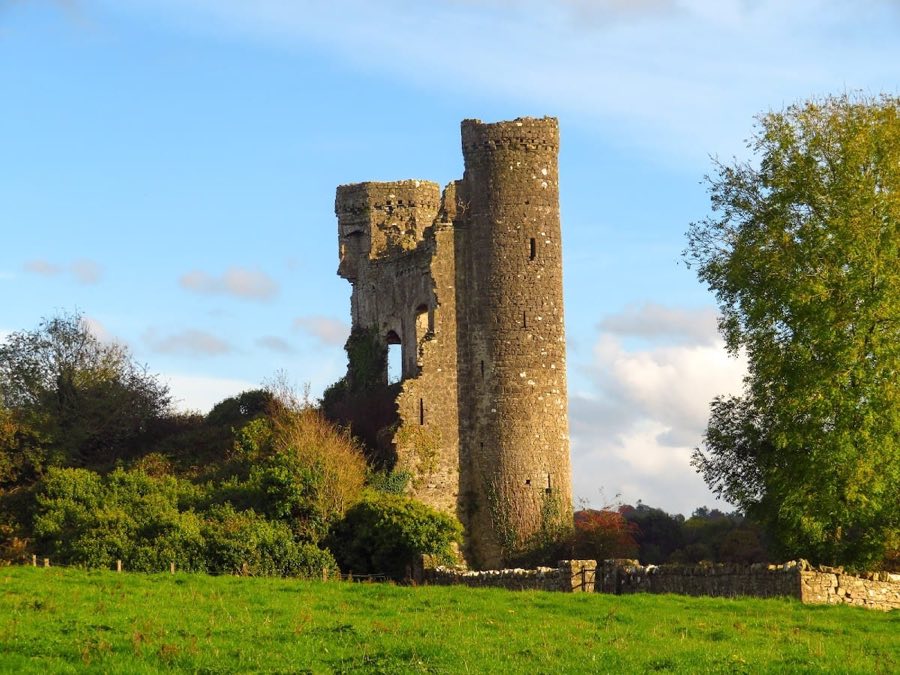
No. 11923
Dunmoe Castle
Ireland
CastleIntact15th century
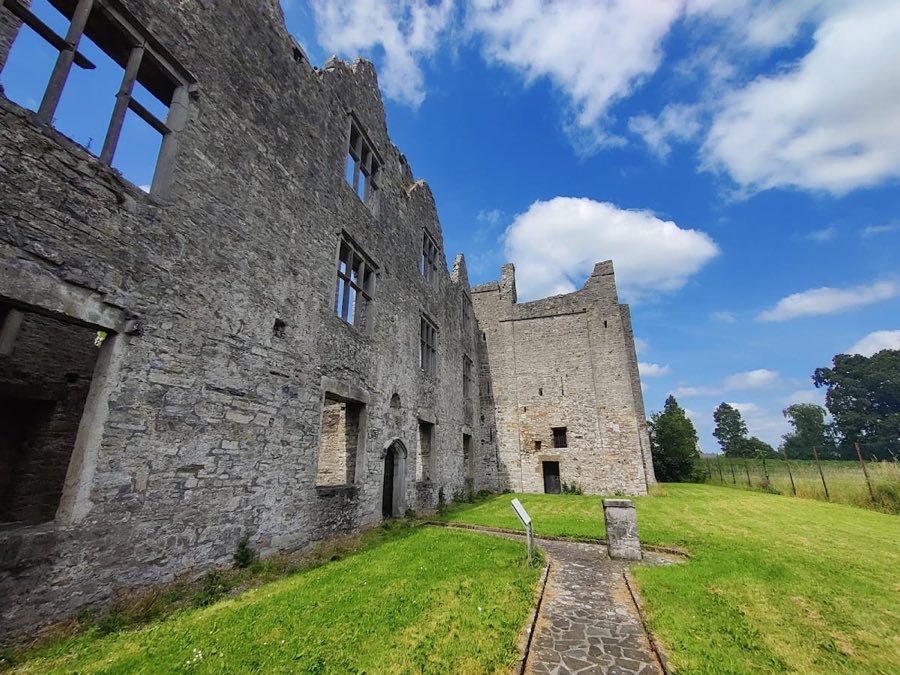
No. 26074
Tower house · Ireland
No. 26074 · 53.650 N, 6.675 W
For events
Athlumney Castle is marked as a château or castle venue lead. Capacity, indoor/outdoor spaces, catering rules, and accommodation options are published only after public verification.
Event types: Private events, Cultural gatherings, Filming and photography
Quick summary
Athlumney Castle is a tower house in Ireland with origins associated with the 12th century.
See all castles in IrelandAthlumney Castle is situated in Navan, Ireland, near the meeting point of the Leinster Blackwater and the River Boyne. The site’s origins trace back to ancient times, named after Saint Lommán, the local patron, with “Athlumney” derived from the Irish “Caisleán Áth Luimnigh,” meaning “Loman’s ford.” Long before the castle’s construction, the area supported Iron Age settlements and served as an Early Christian center, with remnants of underground passages known as souterrains and early churches discovered through archaeology.
Following the Anglo-Norman conquest of Ireland in the late 12th century, the first defensive structure appeared here around 1172. This initial fortification was a motte-and-bailey earthwork built by Amauri de Feypo, a relative of Adam de Feypo, who received the surrounding lands from Hugh de Lacy, the Lord of Meath, as part of the Norman efforts to secure control over the region. This early fort likely served as a stronghold to establish Norman authority amid resistance from native Irish clans.
The stone tower house that stands today was added in the 15th century, marking a significant shift toward more permanent and fortified residences. Later, in the late 1500s or early 1600s, a Tudor-style fortified house was built alongside the tower, reflecting changes in architectural styles and the desire for increased domestic comfort combined with defense. Over the centuries, Athlumney Castle was entwined with dramatic political and military events, particularly during the 17th century.
During the Irish Confederate Wars in the mid-1600s, the castle was controlled by the Maguire clan. In 1649, to prevent its capture by the forces of Oliver Cromwell as they advanced through Ireland, the Maguires set fire to Athlumney, inflicting damage to deny its use to the enemy. Later in 1690, in the aftermath of the pivotal Battle of the Boyne, another fire was started by Sir Launcelot Dowdall, the castle’s last lord, who was a Catholic supporter of the deposed King James II. Dowdall acted to keep the castle out of the hands of William III’s supporters.
Sir Launcelot Dowdall held the role of High Sheriff of Meath before the conflict and lived during a time when the ownership of the castle was affected by shifting political powers. The property was initially confiscated during the Cromwellian Plantation but was returned to the Dowdall family under the restoration of Charles II. Later, the estate passed into the hands of the Somerville family of Kentstown, who adopted the noble title Baron Athlumney. Today, though in ruins, Athlumney Castle remains a testament to its layered history of occupation, conflict, and adaptation.
Athlumney Castle occupies a modest hill overlooking the River Boyne, adjacent to the 14th-century ruins of a parish church with a bell tower. The castle complex consists of two main stone structures: an older three-storey tower house and a later Tudor-style fortified residence built onto its side. Together, they form a courtyard area that once served both defensive and domestic purposes.
The tower house, dating from the 15th century, is constructed primarily of limestone and local rubble. Its ground floor features a barrel vault—a curved stone ceiling providing strong support—and a northern entrance that was guarded by a murder-hole, a narrow opening through which defenders could attack invaders. Inside, a spiral staircase connects the floors, and beam holes in the walls indicate where wooden floors once rested. This tower was the main stronghold, offering protection and sturdy accommodation.
Attached to the tower is the Tudor-style building, also standing three storeys tall. It contrasts with the older section by including larger corridors and widely spaced mullioned windows—those divided by vertical stone bars—which allowed more light and comfort. On its eastern side, an oriel window projects outward, a feature common in Tudor houses. The entrance here is framed with carefully cut limestone, signaling a focus on a more refined domestic appearance.
The lower floor of this later addition housed the kitchen, designed with a heating system that warmed the rooms above where the lord and his family lived. Their quarters had glass windows and wooden floors, revealing a move toward greater comfort. Other interior details include large fireplaces paired with ovens or stoves, essential for cooking and warmth, as well as garderobes—medieval toilets built into the outer walls, which allowed waste to drop away from living spaces.
Among the castle’s defensive features are corner turrets of different sizes projecting from the walls, battlements crowning the upper edges, and fortified entries with murder-holes enhancing its security. Of particular interest is a secret chamber within the thickness of the walls on the first floor, accessed by a hidden staircase. This so-called priest hole was likely used to conceal Catholic clergy during periods of religious persecution, illustrating the castle’s role not only as a military and residential site but also as a refuge.
Today, the remains of Athlumney Castle stand in ruin but retain significant architectural elements that reflect centuries of evolving defensive needs and domestic life. The site encompasses both the sturdy medieval tower and the more elegant Tudor house, framed by the nearby ecclesiastical ruins, offering a rich glimpse into its layered past.
No. 11923
No. 92481
No. 18574
No. 35215
Comments
Comments for Athlumney Castle will require a verified account before posting.
We'll send a verification link before your first comment is published.