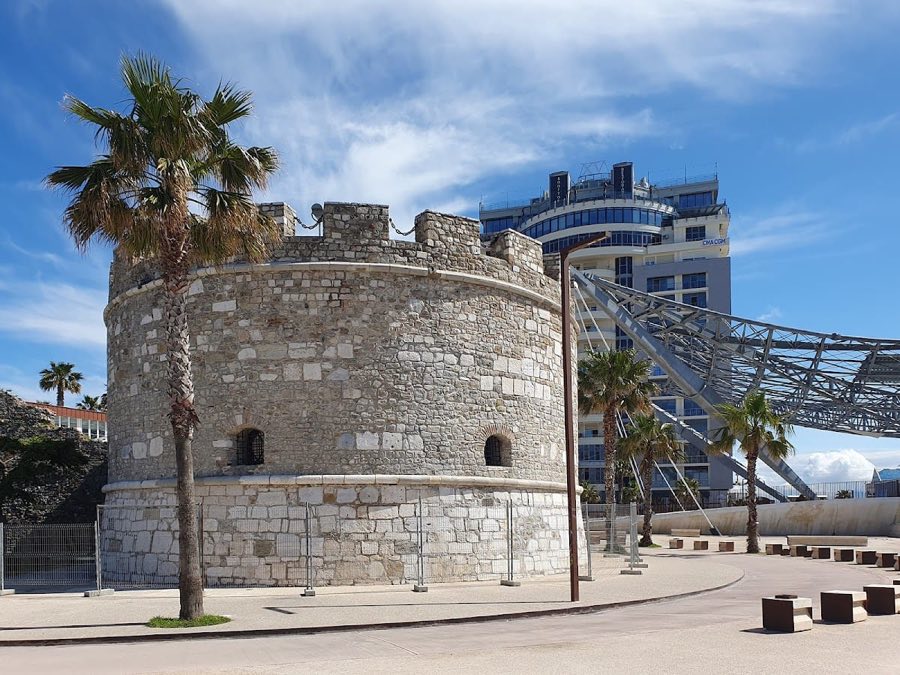
No. 68583
Durrës Castle
Albania
CastleIntact5th century
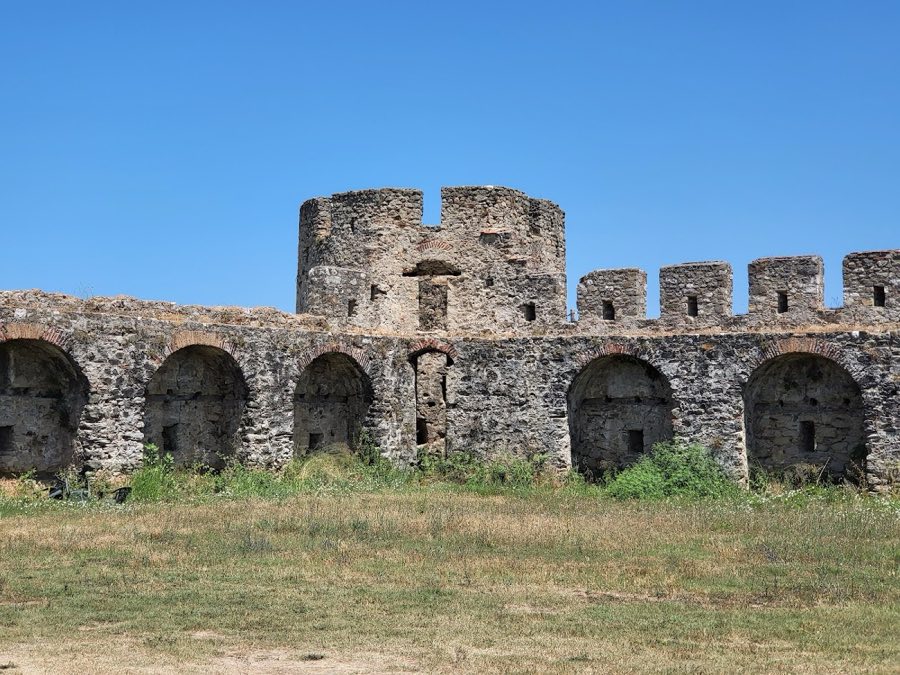
No. 44080
Castle · Albania
No. 44080 · 41.047 N, 19.497 E
Quick summary
Bashtovë Fortress is a castle in Albania with origins associated with the 16th century.
See all castles in AlbaniaBashtovë Fortress, in the municipality of Kavajë in Albania, has uncertain origins, with construction variously attributed to Venetian builders or to an earlier Byzantine phase dating to the sixth century under the rule of Justinian.
The site grew up beside a medieval trading anchorage that exported grain. Documentary references name the anchorage or settlement in the early 1300s and again in the early 1400s, showing continuous use as a mercantile port. A 1521 map records the place-name Pashtove and shows a mosque at the site, indicating an established Muslim presence by that date.
In the seventeenth century a traveler described damage from flooding to the fortress walls and reported that the fortress had been associated with Venetian construction during the period of Ottoman expansion. The Ottomans later held and operated the fortress to guard coastal commerce, and in 1780 Bashtovë was officially declared a free port. During the eighteenth century the western sector of the fortification was rebuilt in a second phase of works carried out under Ottoman administration.
By the middle of the nineteenth century observers recorded the collapse of the southwest tower and described the fortress as reflecting earlier Byzantine influences. A field investigation in the early 1970s recorded archaeological finds in the area, including Hellenistic pottery about one kilometre east and an ancient cemetery near the main gate containing a stone bearing a Byzantine inscription and numerous reused column fragments. In recent years the site entered national heritage planning; it was added to Albania’s UNESCO tentative list in 2017 and featured in rehabilitation proposals, including a 2020 EU4Culture initiative. The fortress sustained significant structural damage during the earthquake of November 2019.
The fortress occupies a flat site in the floodplain of the Shkumbin river, set in a broad loop of the river a few hundred metres from the northern bank and under four kilometres from the Adriatic. The enclosure has a roughly rectangular footprint, oriented north to south, enclosing an interior roughly ninety by sixty metres. The masonry combines local sandstone and conglomerate and shows two different building phases visible in construction technique.
Perimeter walls rise to about nine metres in the best-preserved stretches. East and south curtain walls, together with most of the north wall and the towers, exhibit one style of stonework linked with the earlier phase, while the west wall and a ten-metre segment of the north wall reflect later rebuilding attributed to Ottoman repairs. Battlements retain crenellations and gun loopholes set both along the parapet and lower down the wall faces.
Tower remains include two substantial circular towers to the north and east, each preserved to roughly twelve metres in height, while corner and mid-wall rectangular towers are recorded but are poorly preserved or largely lost. Three gateways survive in the archaeological record, to the north, west and east, with the principal approach located at the northwest corner where a main entrance once controlled access.
Inside the walls the open area appears largely empty of standing buildings. Historical depictions and archaeological reporting document the presence of a mosque adjacent to the entrance, associated with the Ottoman period. Immediately to the left of the main northwestern gate an ancient cemetery produced a Byzantine-inscribed stone and many fragments of columns, several of which were reused in the fortress fabric and one column stands upright near the gate.
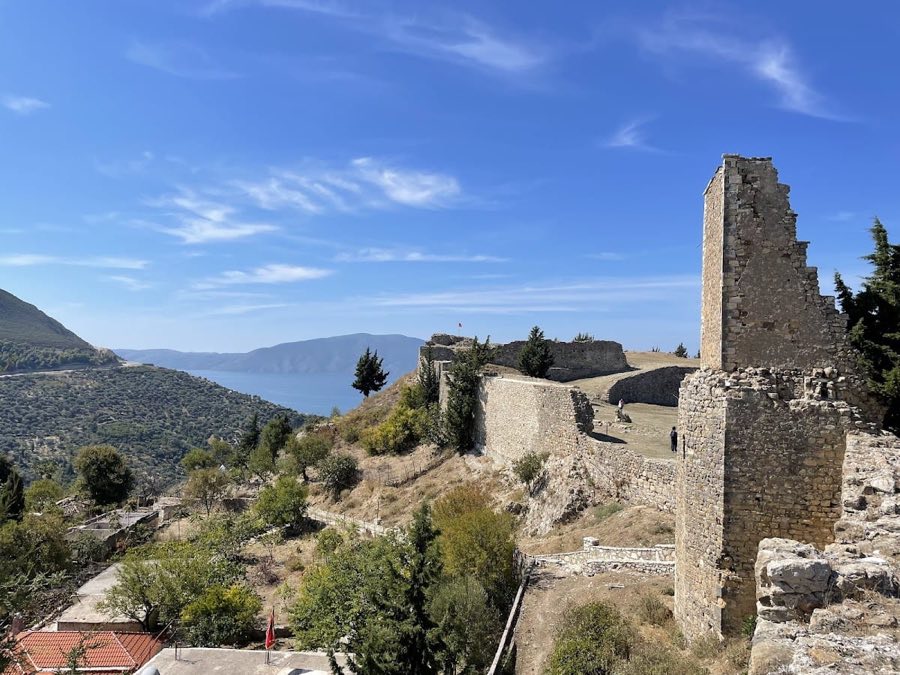
Overall preservation is mixed but substantial. Much of the stone enclosure survives and in many places battlement profiles remain clear, while timber elements recorded in historic plans are no longer present. Flooding in earlier centuries and earthquake movement in 2019 have harmed parts of the structure, and small sections at the southern and western corners are gone, with several rectangular tower positions surviving only as low ruins.
No. 68583
No. 85951
No. 31502
No. 58434
Comments
Comments for Bashtovë Fortress will require a verified account before posting.
We'll send a verification link before your first comment is published.