No. 58434
Kanina Fortress
Albania
CastleRestored4th century
No. 31502
No. 31502 · 40.703 N, 20.109 E
Quick summary
Tomornitsa is a castle in Albania with origins associated with the 11th century.
See all castles in AlbaniaTomornitsa, in the municipality of Berat, Albania, was established in the Roman period.
Settlement at the site extends back to antiquity and the fortress occupied a commanding position on the route between the coast and Constantinople, controlling the via Egnatia and the main inland passage. Because of that location, the stronghold formed the focal point of the local defensive network and overlooked the smaller fortifications and surrounding castles that protected the region around Berat.
The site is attested as a medieval and Byzantine-era fortress. A contemporary narrative records grand residential buildings within the stronghold, including palace areas with gardens and places for entertainment, as well as a central high castle or keep and a church. On 15 August 1018, after a siege lasting fifty-five days, the duke Ibatzès was taken captive and blinded by Eustathius Daphnomeles following an unsuccessful defence of the fortress. In 1336 the place served again as the scene of several important battles recorded for that year.
During Ottoman rule the fortress was used by the Turks, and it was destroyed by Ottoman forces in 1467. Over time the site has appeared under a variety of names, including the forms Koprinista and Pronista in Bulgarian sources and the Albanian name Kalaja e Tomorrit, as well as the name Tomornitsa.
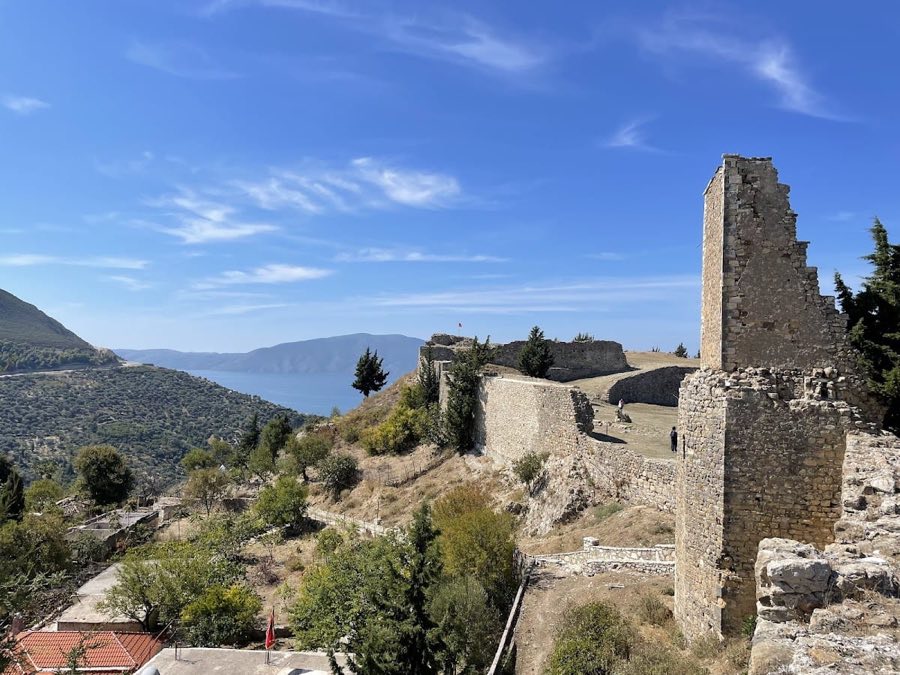
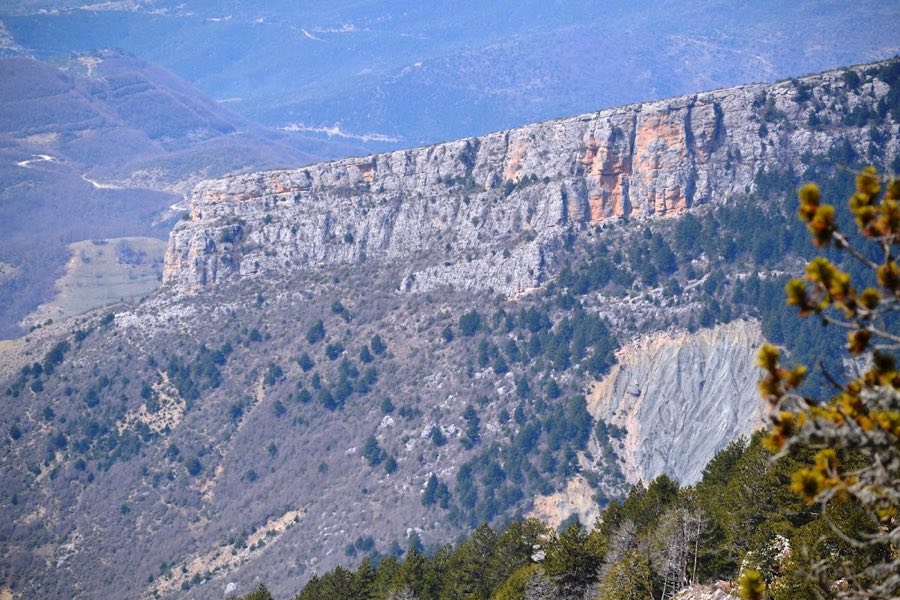
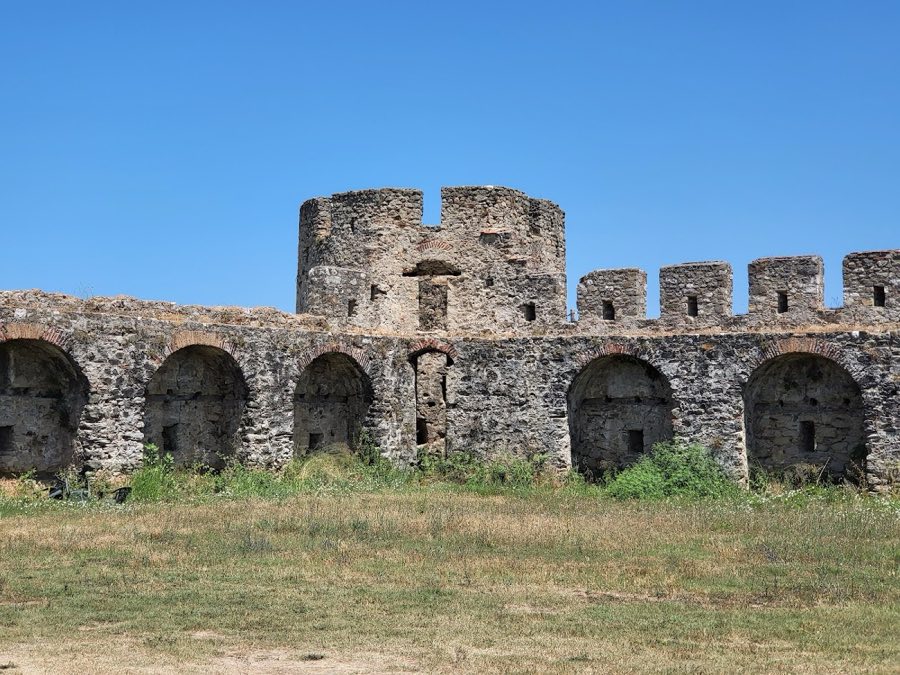
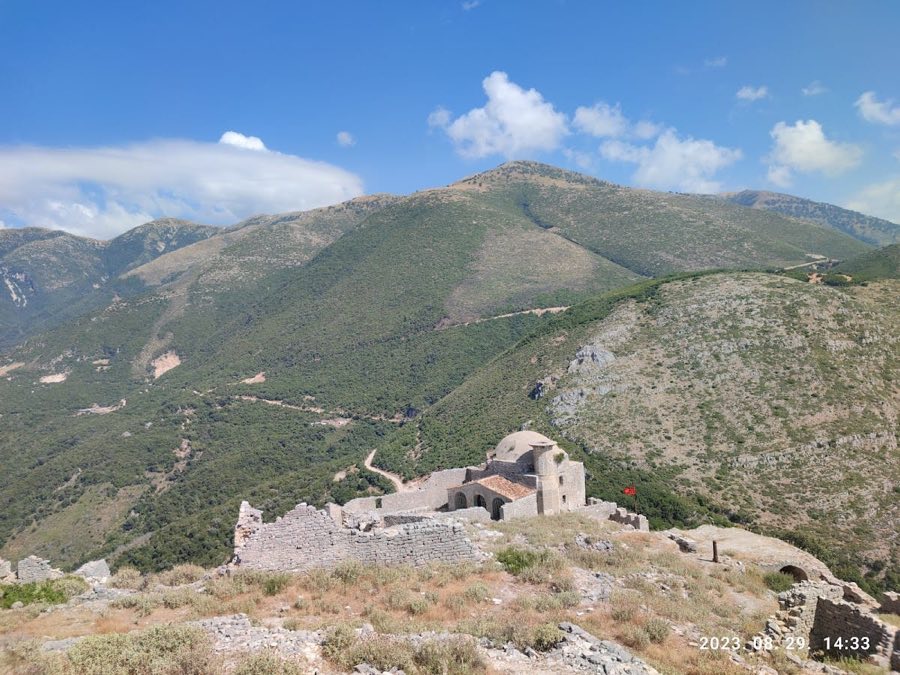
The castle stands on the northwestern flank of Mount Tomorr, placed on a steep rock outcrop that rises roughly fifty metres above the surrounding ground and is reached only by a narrow pedestrian approach. The defended enclosure takes an irregular trapezoid shape with a total perimeter of about 210 metres. Surviving wall sections measure between one and 1.3 metres in thickness. The exposed faces of the fortification show differing stonework styles and a sequence of archaeological layers that record multiple phases of building and repair. The overall impression on the ground is of fragmentary masonry and ruined ramparts that reflect long use.
A significant water installation is preserved in ruined form on the site. The stronghold relied on an autonomous spring and a large cistern whose recorded capacity is one hundred thousand litres; remains of that reservoir can still be seen. These installations demonstrate deliberate measures to supply the acropolis independently.
From the position of the ruins one can look out over the wider defensive landscape and see the named nearby castles Mbështova, Peshtan, Mbolan, Vojak, Gradishta (from Kereshnik) and the castle of Vokopola. Historical writings describe fine palaces with gardens, entertainment areas, a prominent central keep, and a church within the fortress, and those elements form part of the documented character of the site alongside the surviving walls and the large cistern.
No. 58434
No. 44080
No. 85951
No. 59099
Comments
Comments for Tomornitsa will require a verified account before posting.
We'll send a verification link before your first comment is published.