No. 83129
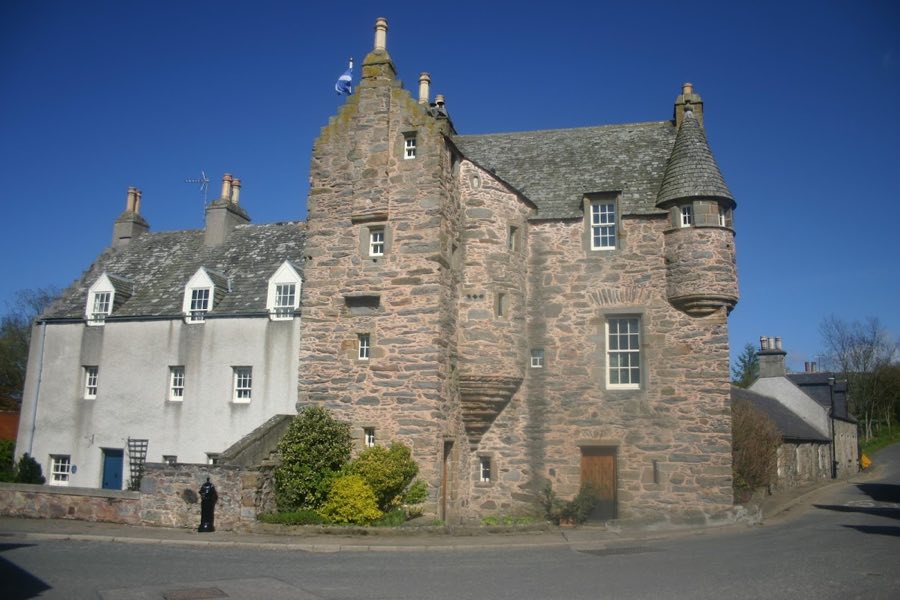
Fordyce Castle
United Kingdom
Tower houseRestored16th century
No. 75343
No. 75343 · 57.679 N, 2.653 W
Quick summary
Boyne Castle is a castle in United Kingdom with origins associated with the 14th century.
See all castles in United KingdomBoyne Castle, near Portsoy in northeastern Scotland, was constructed in the sixteenth century by Scottish hands. The land on which the castle stands was held in the early fourteenth century by Thomas Randolph, 1st Earl of Moray, around 1320. Ownership later passed to the Edmonstone family, and during the reign of David II the property was granted to Sir John Edmonstone of Edmonstone in recognition of services performed while the king was captive in England. Sir James Edmonstone, John’s son, formed alliances by marriage that linked the family into wider nobility active in contemporary records.
By 1437 the estate passed by marriage into the Ogilvie family. Some accounts attribute the later building of the standing house to Sir George Ogilvy of Dunlugas late in the sixteenth century, while others credit Alexander Ogilvy of Boyne with erecting the castle before 1575 for his bride Mary Beaton. Mary, Queen of Scots lodged at a place called the Craig of Boyne on 19 September 1562, a riverside location that may have been separate from the present ruins. James VI spent time at the castle in July 1589 when envoys brought news from Denmark concerning his marriage and preparations of ships, jewels, and a silver coach for Anne of Denmark. Occupation of the castle continued into the eighteenth century, with use recorded after 1723. Local tradition holds that an heir once fell from an open window into the gorge and that a girl who jumped after him was also lost, a story said to have contributed to the house’s decline. In 1869 objects recovered from a kitchen midden at the Craig of Boyne included bone sewing needles, brass pins, and a lead tag used as a quality mark on imported cloth.
The castle stands on a roughly rectangular plan sited to take advantage of natural defences. The steep-sided gorge of the Burn of Boyne protects the site on three sides, and the building is described as a sixteenth-century quadrangular stronghold. On the south approach a dry moat, almost sixty feet (eighteen metres) across, separates the castle from the surrounding ground; access crosses a raised, walled causeway leading to a twin-turreted gatehouse on the southern side, a formal entrance arrangement recorded in the surviving ruins.
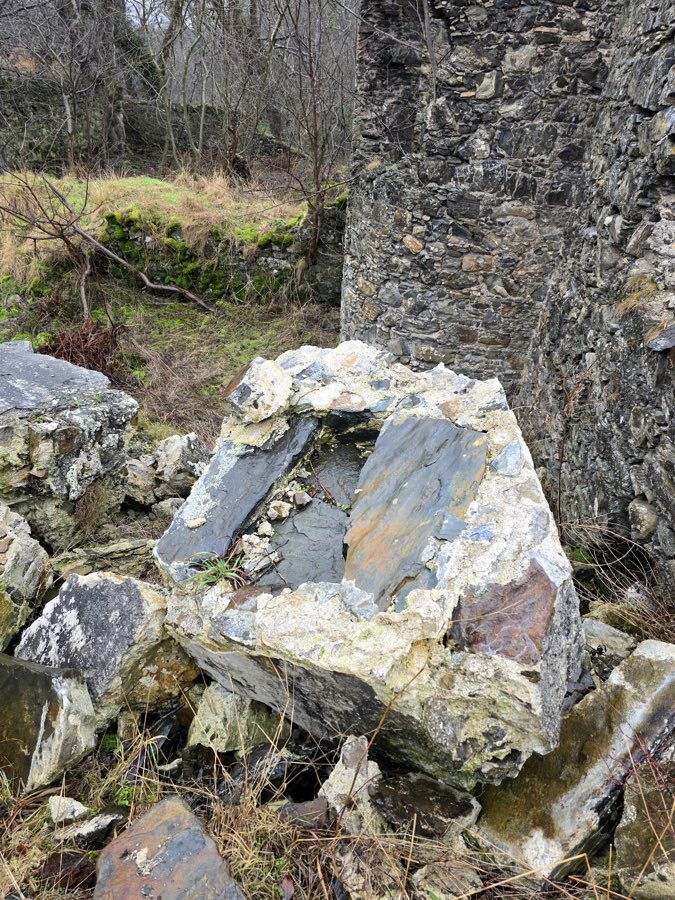
Each of the four corner towers is circular, measuring about twenty-two feet (6.7 metres) in diameter, and the western curtain wall together with several towers still rise to approximately thirty-three feet (ten metres). The overall remains are overgrown and ruinous, with masonry elements standing in varying states of preservation. Within the outer defences are the vestiges of two walled gardens that once lay close to the house. Contemporary site records indicate the interior formerly contained well-appointed rooms set above vaulted basements and that large windows lit the principal chambers, reflecting the castle’s former domestic character. The ruin is scheduled as an ancient monument and the surviving fabric remains in situ as fragmentary but recognisable evidence of the sixteenth-century quadrangular castle and its associated enclosures. The kitchen midden finds recovered in 1869 relate to an occupation area near the shore that may predate or stand apart from the standing structure.
No. 83129
No. 63018
No. 17660
No. 42268
Comments
Comments for Boyne Castle will require a verified account before posting.
We'll send a verification link before your first comment is published.