No. 78114
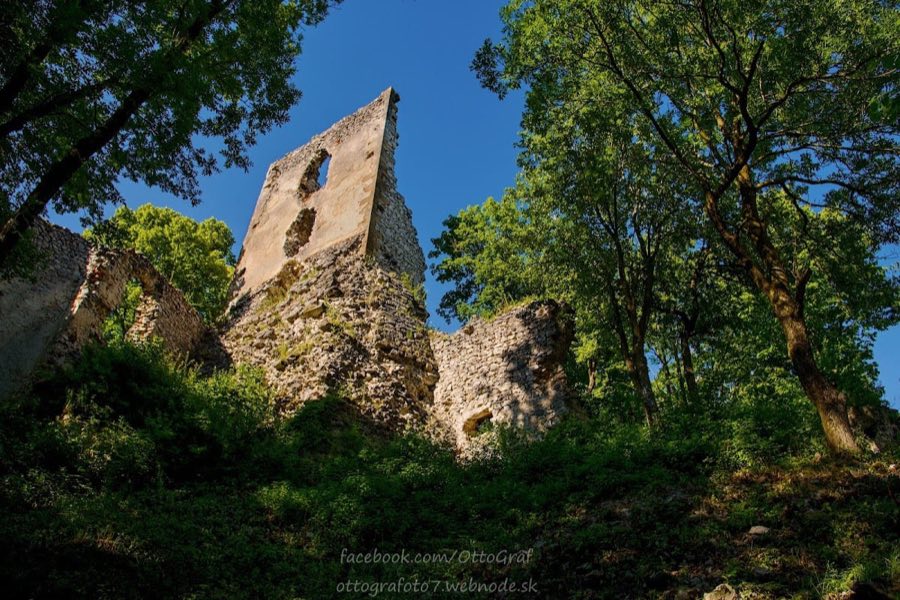
Dobrá Voda Castle
Slovakia
CastleRuin13th century
No. 91323
Castle · Slovakia
No. 91323 · 48.733 N, 17.467 E
Quick summary
Branč Castle is a castle in Slovakia with origins associated with the 14th century.
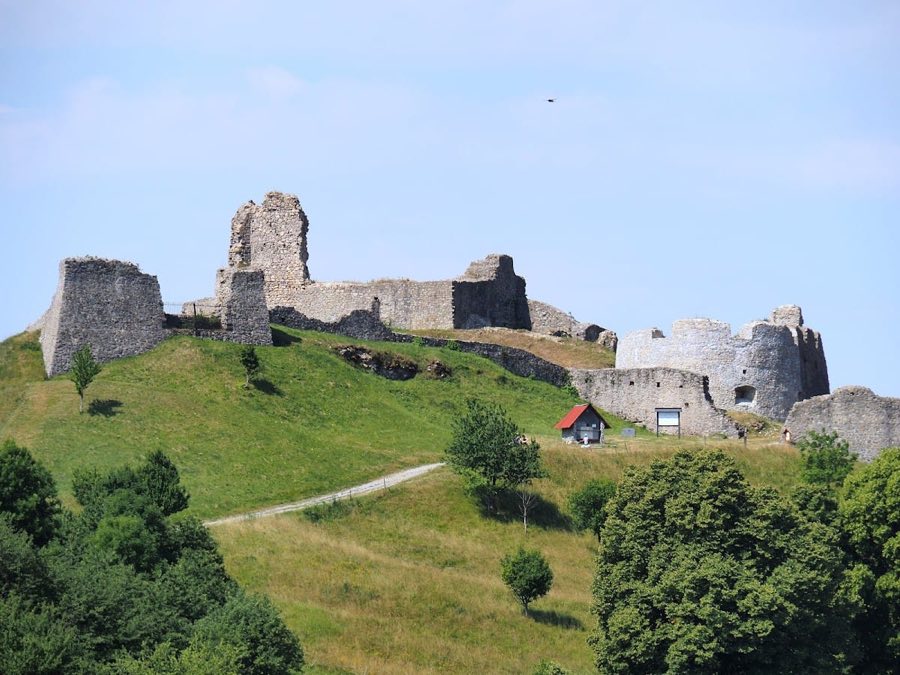
See all castles in SlovakiaBranč Castle stands near the village of Podzámok in modern-day Slovakia and was constructed by medieval Hungarian builders as a frontier fortress. Its creation took place between 1251 and 1261 under the direction of magister Aba from Hlohovec. Positioned on the borders of the Kingdom of Hungary, Branč served to oversee and protect important routes through the Little Carpathians towards the neighboring region of Moravia.
The first known written mention of the castle appears in documents from 1317, suggesting its establishment was well recognized by the early 14th century. Over the centuries, Branč Castle experienced frequent changes in ownership, passing through the hands of about 40 different rulers and noble families. Among these were significant historical figures, including the powerful regional lord Matúš Čák Trenčiansky (Matthäus Csák), Hungarian kings such as Charles I Robert and Matthias Corvinus, as well as Czech king John of Luxembourg, Sigismund of Luxembourg, and the Polish noble Stibor of Stiborice.
During the reign of Sigismund of Luxembourg in the 15th century, Branč underwent substantial rebuilding in the Gothic style common at the time, transforming it into a classic Gothic rock castle. This reconstruction adapted the fortress to contemporary needs, strengthening its defenses and residential quarters.
In the 17th century, Branč Castle took on a somber role amid the turbulent wars against the Ottoman Turks. It served as a place of refuge and military defense but also as a prison for Protestant clergy who were persecuted following forced recatholization efforts. Several imprisoned clergymen died within pits surrounding the castle walls, and today a memorial on the site honors these martyrs.
Following this period, the castle was gradually abandoned after a nearby manor was built in Sobotište. Without its primary function, Branč was attacked and burned by Turkish forces, further contributing to its decline. In the 20th century, archaeological studies and conservation work helped uncover and preserve parts of the castle’s structure, including restoration of surviving walls, allowing insight into its historical development.
The ruins of Branč Castle lie atop a hill reaching 475 meters in height, situated in the Myjavská pahorkatina region. The castle complex extends over roughly 7,500 square meters and is divided into two principal sections: the lower castle and the middle castle. These two parts are separated by a dry moat, which has become partially filled with debris from collapsed walls of the middle castle.
The middle castle itself is organized into a northern courtyard and a residential palace area containing approximately forty rooms. The castle’s original core formed around a residential tower, which was later expanded into a larger residential palace with a square layout. This core structure was enclosed by Gothic defensive walls, accompanied by a moat and an earth rampart, reflecting medieval fortification designs.
Following the Renaissance period, particularly after 1539, the castle saw additional modifications including the construction of a battery tower within the middle castle for artillery defense. The western side of the core structure was expanded, and an outer fortification featuring three bastions was erected on the western and southern flanks. In the 17th century, two pentagonal bastions were added on the eastern perimeter, reinforcing defenses necessitated by the castle’s position on a relatively gentle hill.
Within the lower castle’s western courtyard, a well once provided water, though this feature has since been completely filled and is no longer visible. The primary building materials throughout the castle were stone and natural rock, contributing to the durability of surviving walls and structural remnants.
Today, partial preservation efforts have stabilized some of the walls and ruins, allowing visitors to understand the layered history of Branč Castle. A memorial dedicated to the Protestant clergymen who died imprisoned nearby remains an important feature amid the ruins. Together, these archaeological remains convey Branč’s function as both a military fortress and a site of historical religious significance.
No. 78114
No. 21126
No. 54848
No. 69165
Comments
Comments for Branč Castle will require a verified account before posting.
We'll send a verification link before your first comment is published.