No. 45701
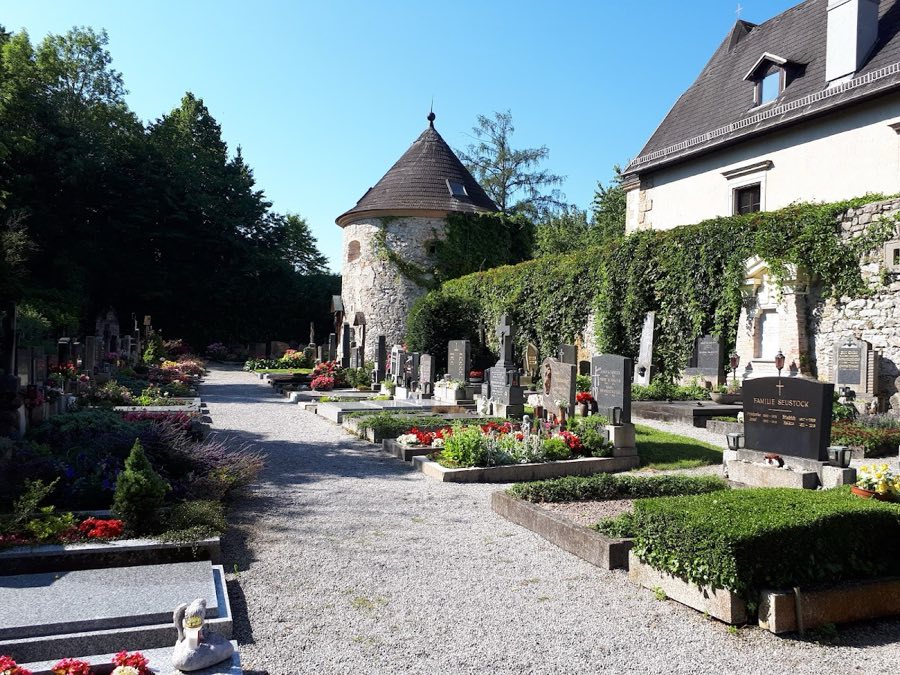
Burg Neuhaus
Austria
CastleRuin13th century
No. 21386
Castle · Austria
No. 21386 · 48.011 N, 15.867 E
For events
Burgruine Araburg is marked as a château or castle venue lead. Capacity, indoor/outdoor spaces, catering rules, and accommodation options are published only after public verification.
Event types: Weddings, Private events, Cultural gatherings, Filming and photography
Ceremony spaces: Ceremony setting to verify
Quick summary
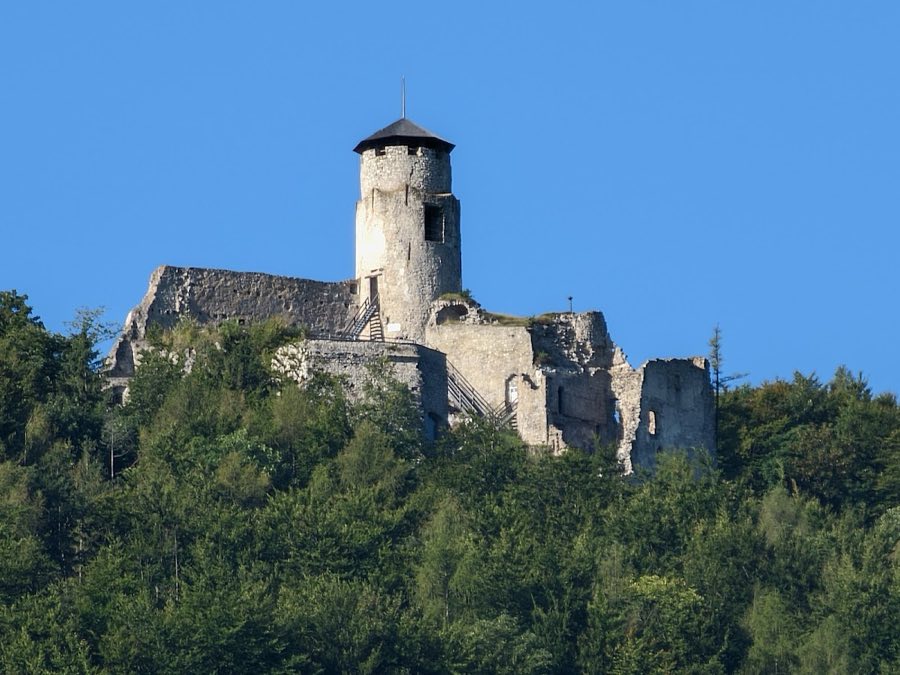
Burgruine Araburg is a castle in Austria with origins associated with the 12th century.
See all castles in AustriaBurgruine Araburg stands above the village of Araburg in Kaumberg, Austria, and was established in the 12th century by the local medieval Ar(a)burger dynasty.
Construction began in the 1100s and the castle complex was enlarged repeatedly over the following centuries, with building activity continuing into the 1600s. The site’s name comes from the Ar(a)burger family and has been interpreted as meaning “eagle castle.” In 1528 Sebald Pögl the Younger acquired the property and adopted the title von Reifenstein und Arberg.
During the Ottoman advance of 1529 the castle sheltered people from the neighbourhood, serving as a place of refuge. In the later sixteenth and early seventeenth centuries the site took part in efforts linked to the Counter-Reformation. From 1625 the estate belonged to the Cistercian Abbey of Lilienfeld, passing through several hands thereafter, among them members of the Ruckendorffer family.
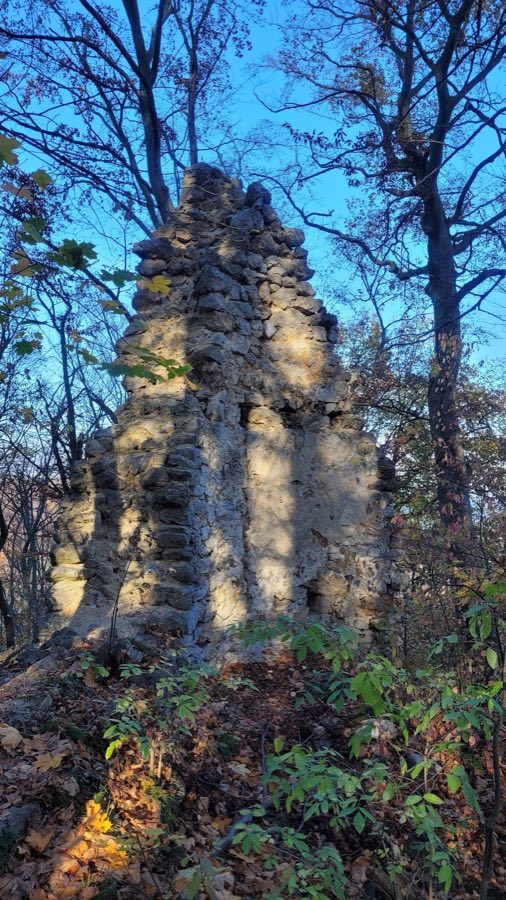
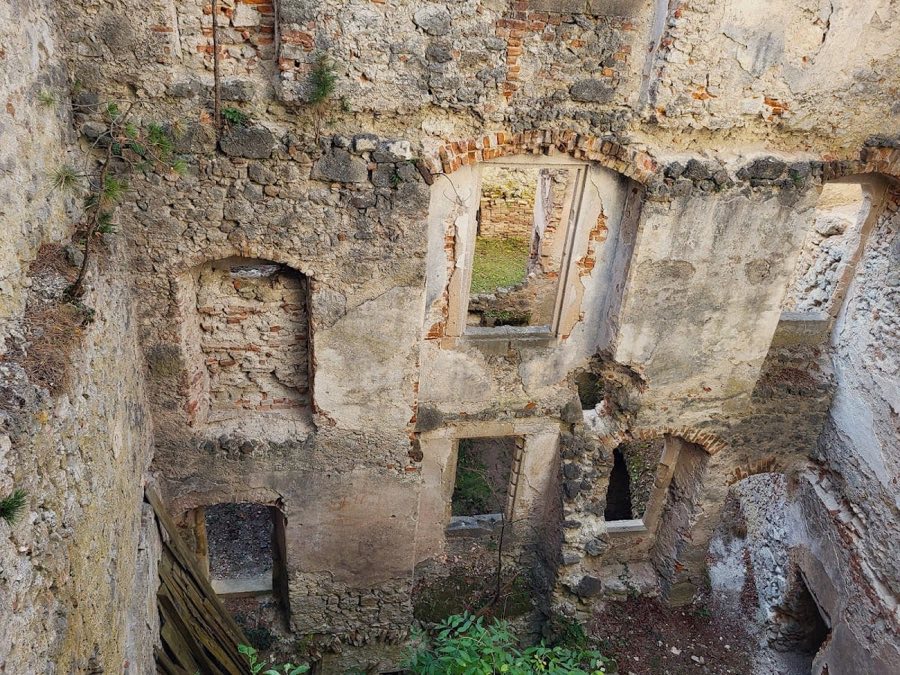
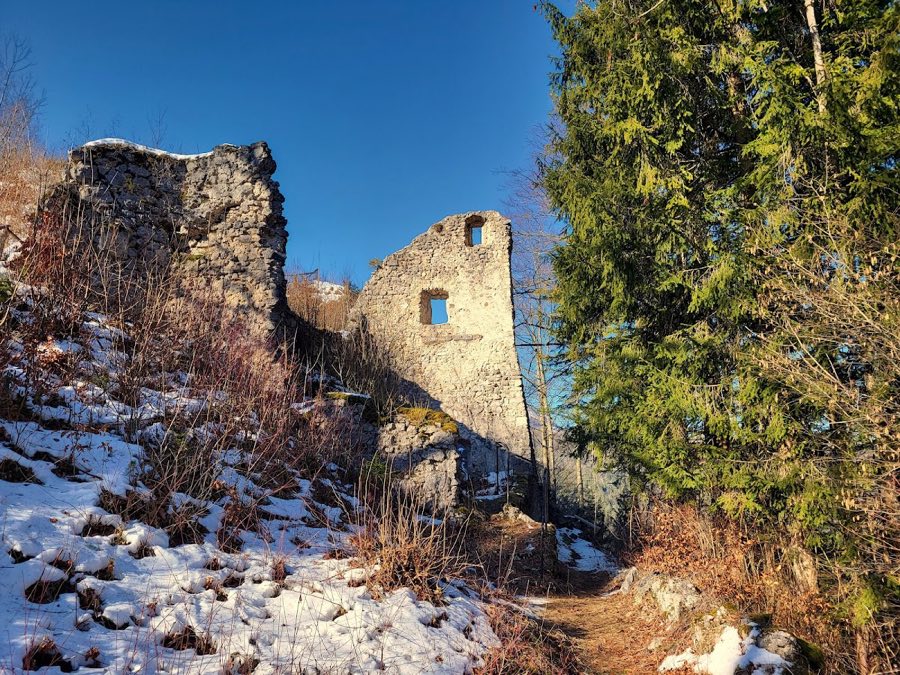
In 1683 the fortress was destroyed during the second Turkish campaign and it remained a ruin after that event. The surviving keep was altered into a viewing tower in 1901. The ruin suffered additional damage during the Second World War and underwent renovation work in the 1960s. In more recent decades the ruined complex has been used for a range of activities, including a castle tavern, events such as a medieval market called Georgsfest, overnight accommodation, and as a venue for weddings. The site is protected as a listed monument.
The castle occupies a hilltop position on the Araberg at about 800 metres above sea level, forming a typical medieval hill castle arrangement with a central defensive tower and surrounding domestic and service spaces. The ruin is recorded as the highest-lying castle ruin in Lower Austria and the layout preserves the sequence of outer and inner enclosures that once organised defence and daily operations.
The keep rises to a recorded height of 27 metres and is the most prominent surviving element. Its vertical mass has been adapted for observation, following a conversion carried out in 1901 that repurposed the tower for panoramic viewing. Today the keep stands intact to its noted height and continues to function as an observation point.
A castle chapel dedicated to Saint George is present within the complex alongside a series of courtyards and associated domestic areas. These include what are described as a first courtyard, a second and inner courtyard, and a former manorial farmstead. The east-side area of the castle is also identified as a distinct sector of the ruin. These compounds survive in fragmentary condition but their arrangement still indicates the original separation of worship, residence and agricultural support functions.
Access to the ruins is pedestrian only, and established pilgrimage paths cross the summit, including the regional pilgrim way and the route to Mariazell. From the top of the keep there are extended views toward the Schneeberg and broad reaches of the Alpine foreland. The site has stood as a ruin since its destruction in 1683, experienced further damage during the Second World War, and was subject to renovation in the 1960s.
No. 45701
No. 33771
No. 27966
No. 12902
Comments
Comments for Burgruine Araburg will require a verified account before posting.
We'll send a verification link before your first comment is published.