No. 14095
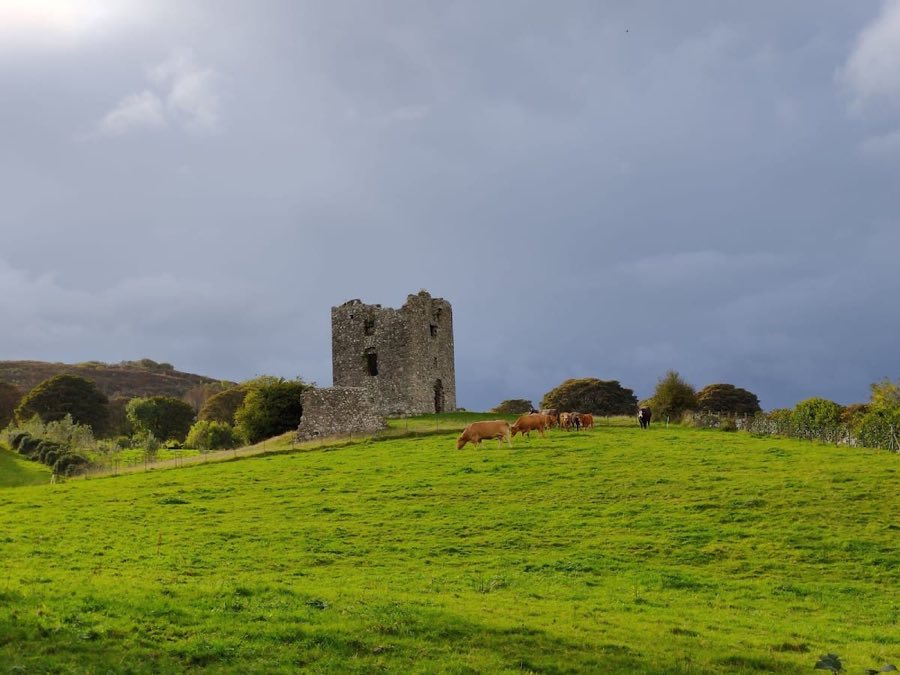
Moyry Castle
United Kingdom
CastleIntact17th century
No. 37685
Tower house · Ireland
No. 37685 · 54.040 N, 6.186 W
Quick summary
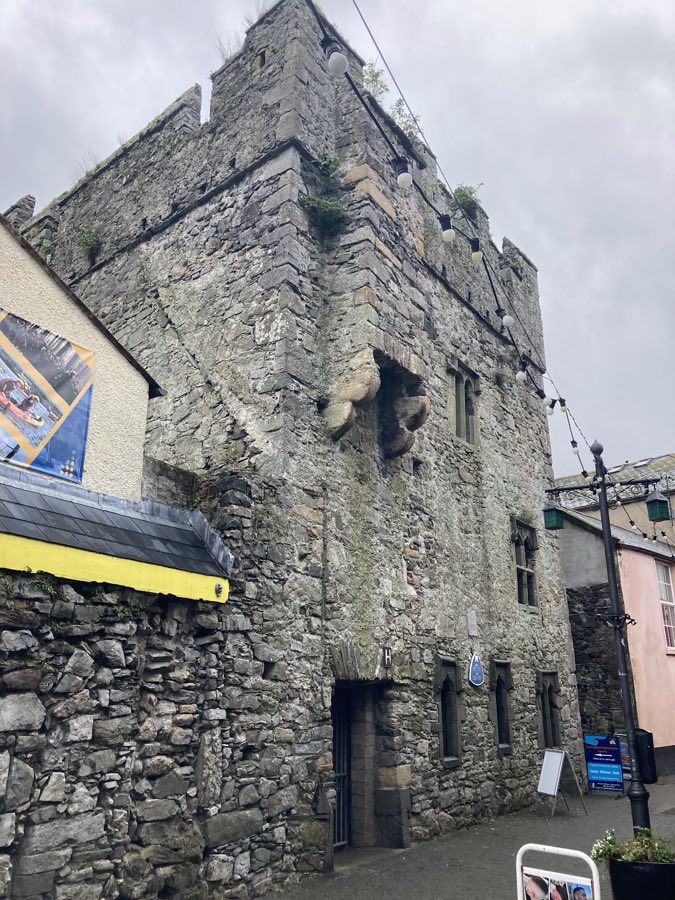
Carlingford Mint Tower is a tower house in Ireland with origins associated with the 15th century.
See all castles in IrelandThe Mint stands in Carlingford, Ireland, and was constructed during the later medieval period by the town’s medieval community.
In the early fifteenth century the town gained legal rights to coinage, with one record assigning that right to Carlingford in 1407. A later royal confirmation is dated to 1467, when Edward IV is recorded as granting or confirming a licence to mint coins associated with Carlingford. Because of these recorded privileges, the name of the building has long been linked to coin production and to the civic right to strike money.
The surviving tower itself is dated to the later medieval era, with construction variously attributed to the fifteenth century or to the fifteenth and sixteenth centuries. At different times the structure is believed to have been occupied by one of Carlingford’s prosperous merchant households, possibly the Marmion family. The building’s strong defensive character, combined with reports that it contained no fireplace, led some to identify it with the town’s minting activity.
In the eighteenth and nineteenth centuries the building was put to different uses; it is recorded as functioning as a prison during those centuries. During the nineteenth century the tower was rebuilt. The structure is also described as being linked to the town gates, which performed customs functions for Carlingford. The site is protected today as a National Monument of Ireland.
The standing structure is a three-storey fortified tower house built mainly of limestone rubble. The tower’s overall plan presents a compact, vertical form typical of late medieval fortified houses, and the surviving masonry shows the rough, irregular stonework described as wild or rubble limestone.
Along the roofline there is a battlemented wall-walk with crenellations and a parapet walk that includes loopholes arranged for musket use, indicating alterations or continued defensive readiness into the period when firearms were in use. The principal street entrance is defended by a projecting machicolation, an opening in the parapet that allowed defenders to address the doorway below.
The ground- and first-floor windows that face the street total five and display pointed, ogee-arching forms with protective hood mouldings and vertical stone divisions. These openings carry carved flat-relief decoration set into their stonework, including a horse, a human bust, a bird, a serpent, and panels of interlaced Celtic ornament that reflect a revival of Celtic-style carving in the fifteenth to sixteenth centuries. Some of these windows are recorded as fitted with iron grilles.
The tower is described as the smallest of Carlingford’s three fortified buildings and is reported to stand connected to the town gates, a linkage that tied the house into the town’s defensive and customs arrangements. The structure underwent rebuilding in the nineteenth century after its use as a prison in the eighteenth and nineteenth centuries, and the surviving elements of masonry, battlements, defensive openings, and carved window panels remain in situ as the archaeological and architectural evidence at the site.
No. 14095
No. 59629

No. 50011
No. 92481
Comments
Comments for Carlingford Mint Tower will require a verified account before posting.
We'll send a verification link before your first comment is published.