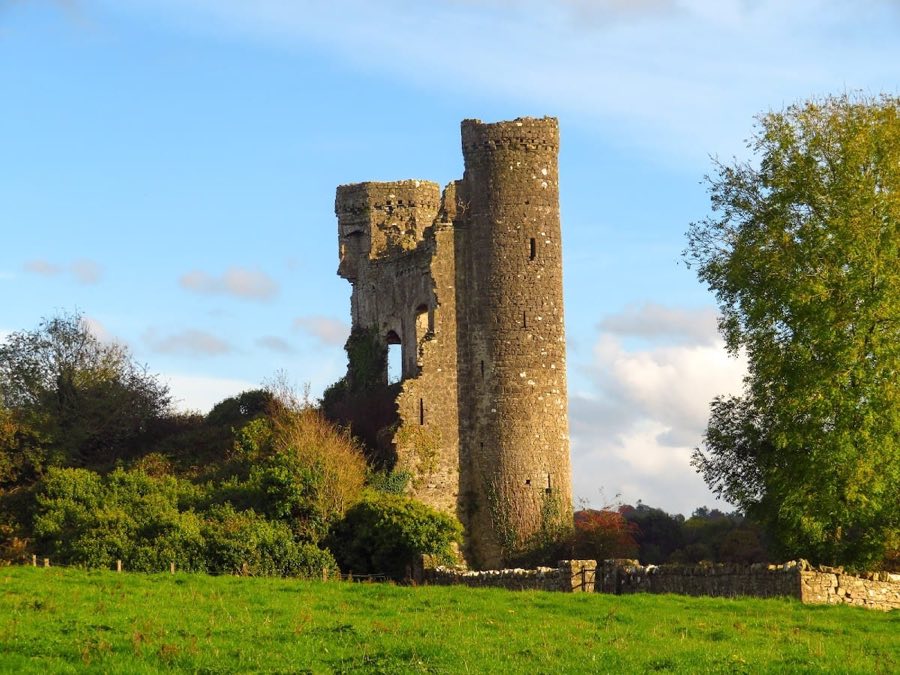
No. 11923
Dunmoe Castle
Ireland
CastleIntact15th century
No. 92481
Castle · Ireland
No. 92481 · 53.709 N, 6.561 W
For events
Slane Castle is marked as a château or castle venue lead. Capacity, indoor/outdoor spaces, catering rules, and accommodation options are published only after public verification.
Event types: Private events, Cultural gatherings, Filming and photography
Quick summary
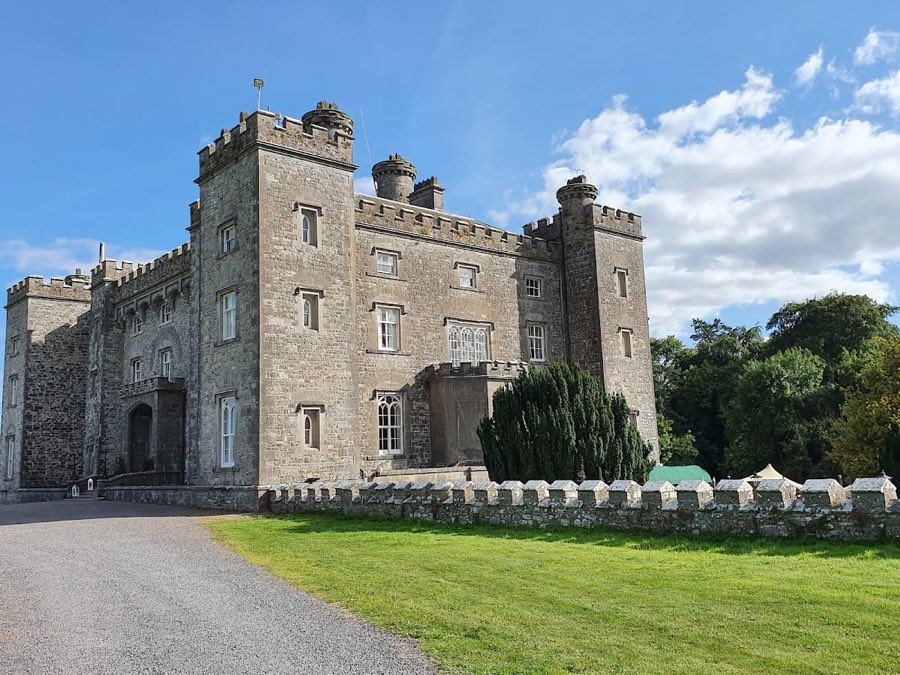
Slane Castle is a castle in Ireland with origins associated with the 17th century.
See all castles in IrelandSlane Castle is situated in the village of Slane in Ireland. The current castle stands on lands with a deep past, overlooking the River Boyne and lying close to ancient Neolithic sites such as Newgrange, as well as the historic area of the Battle of the Boyne.
The original ownership of the land belonged to the Fleming family, a Catholic lineage that supported the Jacobite cause during the late 17th century conflicts. Following the Williamite victory over the Jacobites at the Battle of the Boyne in 1690, the Flemings lost the estate. In 1701, the castle was built by William Burton Conyngham and his nephew, the 1st Marquess Conyngham, on these confiscated lands. The Conynghams were Protestant Scots who had moved to Ireland during the early 17th-century Plantation of Ulster. Around the time of the castle’s foundation at Slane, they shifted their primary residence from County Donegal to this estate, which they have retained for over 300 years.
A significant rebuilding effort took place in 1785. This reconstruction was overseen by prominent architects of the time, including James Gandon, James Wyatt, and Francis Johnston. Johnston also designed the gothic-style Mill Hill gates just east of the castle. In more recent history, a serious fire damaged the castle’s eastern wing facing the River Boyne in 1991. Restoration work took about a decade, with the castle reopening around 2001. Additionally, in 2003, a cannon connected to the castle’s history was recovered from the nearby river.
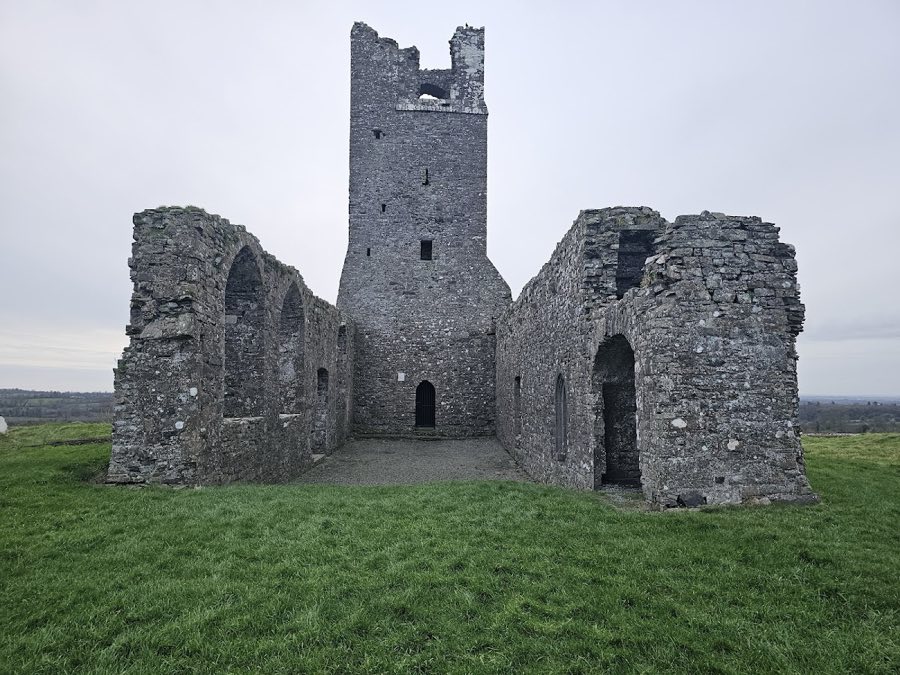
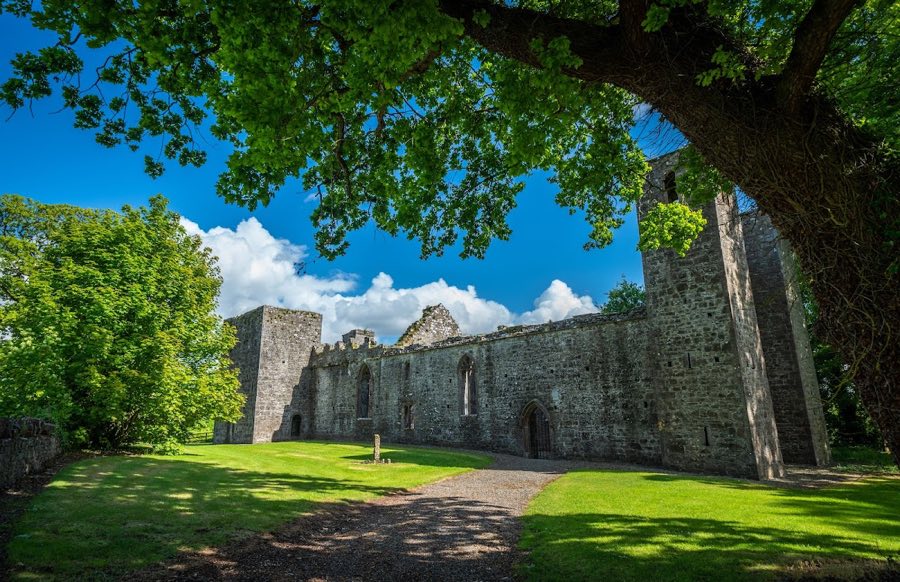
Nearby, the site includes remnants of a 15th-century religious structure known as St. Erc’s Hermitage, a multi-storey chapel located between the castle and the village church. Close to the hermitage lies an ancient well, historically associated with the Irish god Dian Cecht and the mythical healing tribe called the Tuatha Dé Danann. Over time, this well became Christianized and is now known as Our Lady’s Well.
Since 1981, the grounds of Slane Castle have been used for large outdoor concerts, beginning under the direction of the Earl of Mount Charles, later the 8th Marquess Conyngham. These events have drawn audiences as large as 80,000 people, taking advantage of the natural amphitheatre formed by the castle’s sloping terrain.
The castle itself reflects a main period of construction from the late 18th century, shaped by three notable architects. Today’s Slane Castle incorporates design elements from James Gandon, James Wyatt, and Francis Johnston, with the latter contributing the adjacent Mill Hill gates, crafted in a gothic style visible to the east of the main building. The castle is positioned on a natural slope overlooking the River Boyne, creating an amphitheatre-like setting that supports large outdoor gatherings.
The eastern section of the castle, facing the river, suffered extensive fire damage in 1991 but underwent careful restoration, allowing the structure to be fully reopened by 2001. This restoration returned clarity and integrity to this riverside wing.
Surrounding the castle are important medieval remains, notably the ruins of St. Erc’s Hermitage. This chapel, dating back to the 15th century, was a multi-storey religious building situated between the castle and the local church within the village. The hermitage’s proximity to the castle and village church points to its role in the spiritual life of the site through the late medieval period.
Approximately 500 meters west of this hermitage lies an ancient well. This site is tied in mythology to the god Dian Cecht, the healer of the Tuatha Dé Danann, a supernatural people in Irish lore. The well later gained Christian significance and is dedicated as Our Lady’s Well. Both the hermitage and well have historical and cultural importance, symbolizing continuity from pagan ritual to Christian practice.
In 2003, a cannon was found submerged in the nearby River Boyne. While its exact origins are linked to the castle’s historical military associations, the discovery underscores the castle’s connection with historical military events and the turbulent history surrounding the Boyne valley.
Together, these elements—the castle’s 18th-century construction and reconstruction, the medieval chapel ruins, the mythically significant well, and the recovered cannon—combine to illustrate the layered history and archaeological richness of the Slane Castle site.
No. 11923
No. 26074
No. 18574
No. 39760
Comments
Comments for Slane Castle will require a verified account before posting.
We'll send a verification link before your first comment is published.