No. 55139
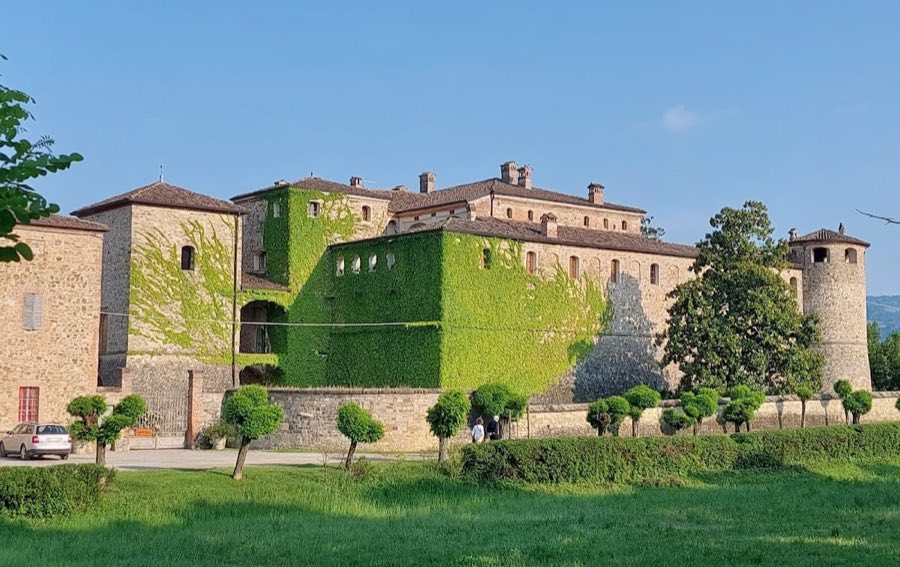
Castello di Agazzano
Italy
CastleRuin13th century
No. 52202
Castle · Italy
No. 52202 · 44.984 N, 9.488 E
Quick summary
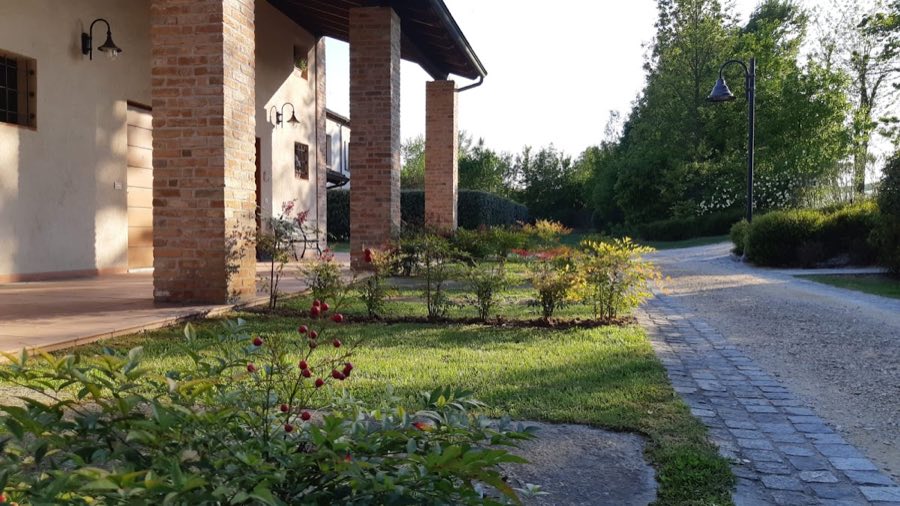
Castello della Bastardina, Agazzano is a castle in Agazzano, Italy with origins associated with the 16th century.
See all castles in ItalyCastello della Bastardina in Agazzano, Italy, was built in the late fifteenth century by the Sarmato branch of the Scotti family.
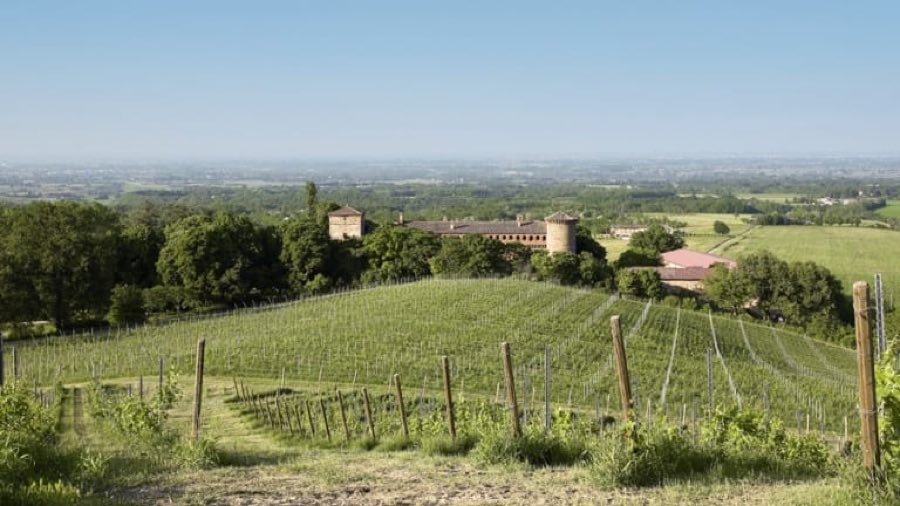
The building rose in a pedemontane setting between the Luretta and Tidone valleys, near the Tidone stream, and took its name from a fortress in Aosta, called La Bastarda, because of similarities in form. The Scotti branch responsible for construction intended the site primarily as a prestigious family residence rather than as a fortress optimized for war.
In 1549 Count Gaspare Scotti sold the property to Gian Maria Anguissola under a nine-year redemption clause; after the estate reverted to Gaspare Scotti it was transferred on 28 January 1558 to Marsilio Cremaschi. The complex suffered heavy damage in 1636 when Spanish troops invaded the Piacenza territory.
The Cremaschi owners sold the castle in 1667 to Rutilio Trissino and his brothers, a family originally from Lodi who had settled in the Piacenza area from 1513. The Trissino buyers pledged to conserve the building and the complex underwent substantial restoration that same year. As part of this change of use, one corner tower was lowered and another was converted to serve as the bell tower for a newly built oratory dedicated to the Holy Cross.
In 1700 the Duke of Parma and Piacenza raised the estate to the rank of a county together with Mirabello and Grintorto in favor of Francesco and Carlo Trissino, with the title to pass to their male heirs. During the early nineteenth century the Trissino counts received the right to hold an annual three-day livestock fair each September, and an Italian-style garden was laid out around the building. That garden was revised in form in 1905 by Luigi Ghezzi.
Ownership passed in the twentieth century to the lawyer Carlo Fabbri, husband of Countess Clelia Trissino, noted as the last descendant of the family. In the late twentieth century the castle and surrounding grounds were converted into a golf club with a nine-hole course; the club entered liquidation and the course closed sometime after 2015.
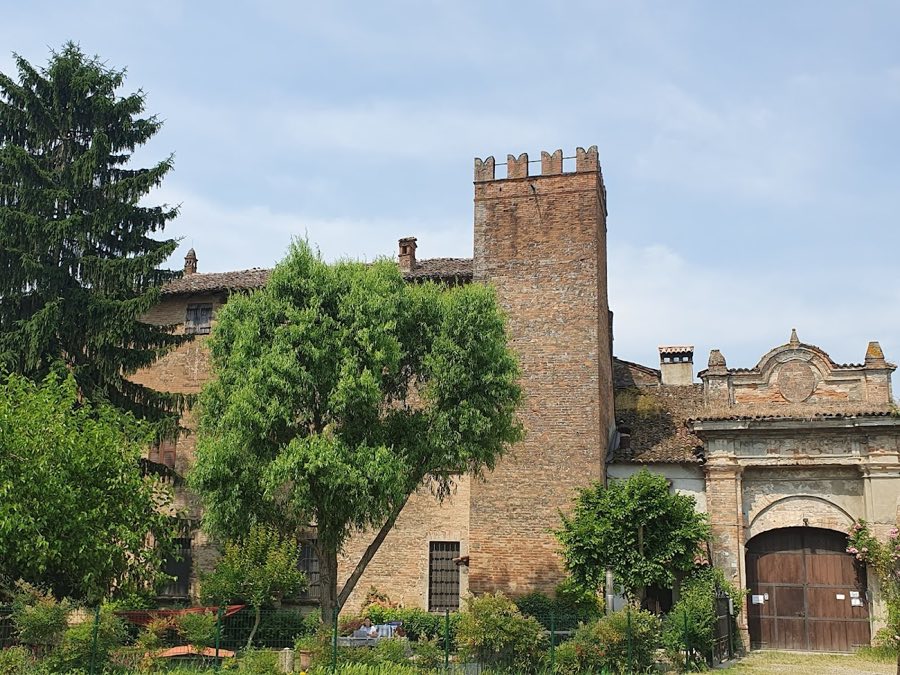
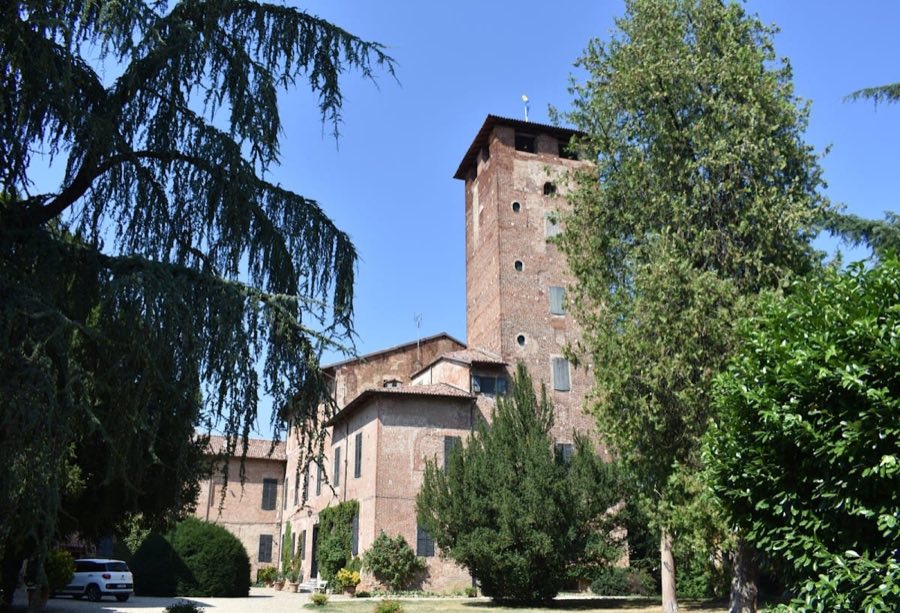
The complex presents a rectangular plan executed entirely in brick, with square corner towers that were lowered in the restoration of 1667. An additional tower stands beside the main entrance and overlooks the approach. The entrance tower’s archivolt carries a stone coat of arms of the Trissino family and the tower has loopholes on its flanks; passing through the entrance arch gives direct access to the internal courtyard. The entrance area originally featured a bridge and a small lifting drawbridge located about midway along the facade.
Part of the castle is protected by a water-filled moat that surrounds sections of the building. An Italian garden established in the nineteenth century wraps the structure and its layout was modified in 1905 under Luigi Ghezzi’s direction.
The internal courtyard contains a portico from the sixteenth century that opens on nine bays. From this portico a Baroque-style staircase rises to the piano nobile, which houses frescoed rooms and an eighteenth-century gallery painted by Gian Battista Ercole Vinceslao. Near the entrance is an area that, in the post-medieval period, functioned as a rural court; that precinct includes an oratory and several rustic buildings which are reported to be in good condition of conservation. The corner tower adapted in 1667 serves as the oratory’s bell tower, reflecting the building’s shift in use during the seventeenth century.
No. 55139
No. 17290
No. 39934
No. 34923
Comments
Comments for Castello della Bastardina, Agazzano will require a verified account before posting.
We'll send a verification link before your first comment is published.