No. 25108
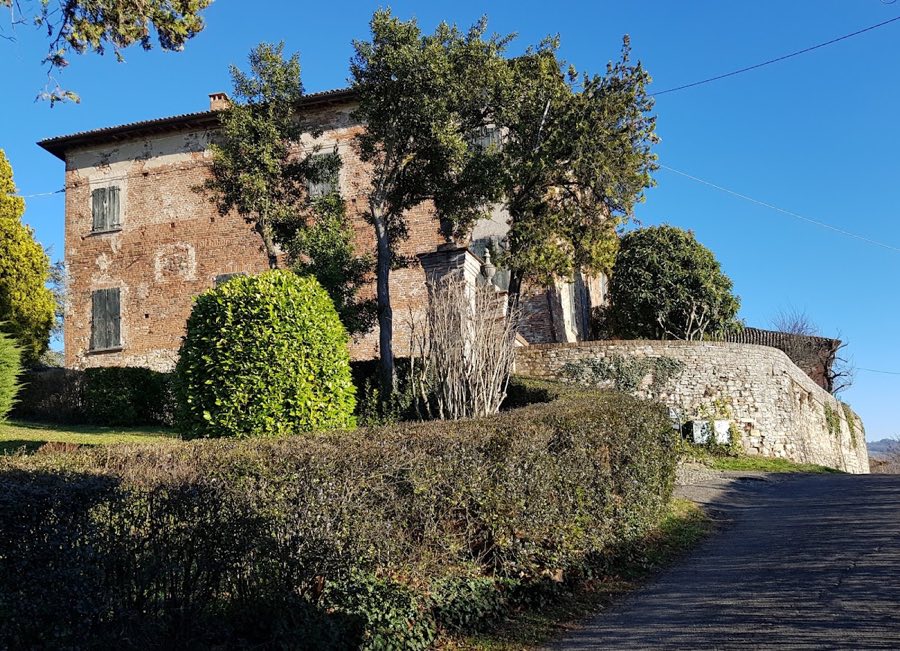
Castello di Montecalvo
Italy
CastleRuin13th century
No. 89060
No. 89060 · 45.034 N, 9.245 E
Quick summary
Castello di Cigognola is a castle in Italy with origins associated with the 13th century.
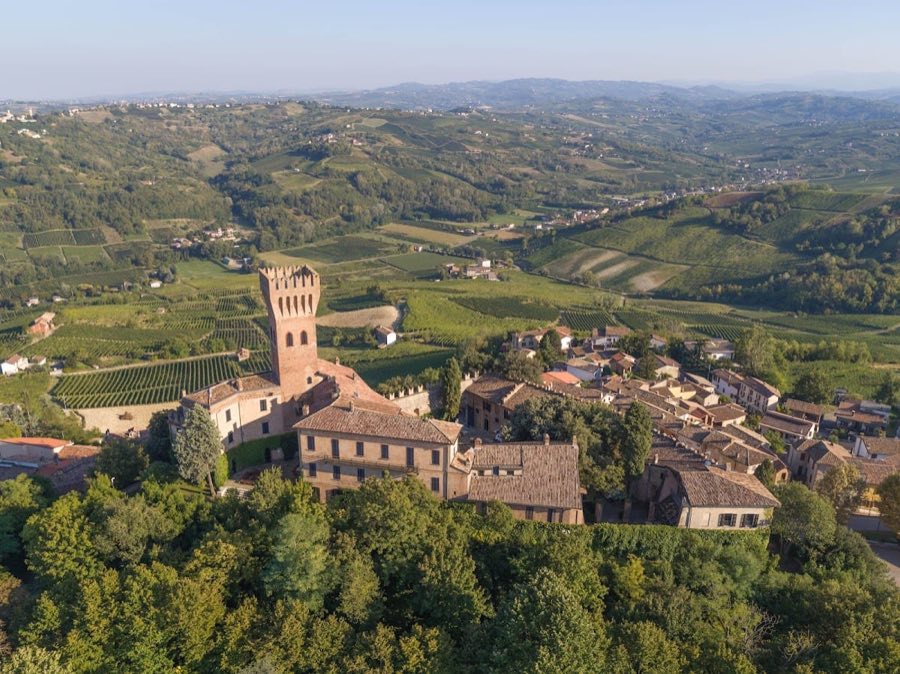
See all castles in ItalyThe Castello di Cigognola is located in the municipality of Cigognola in Italy and was built by the medieval society during the early 13th century. Positioned strategically on a hill, this fortress oversaw the fertile plains and valleys below, marking its importance in regional defense and control.
In 1372, the castle became the target of a military assault led by Giovanni Acuto, also known as John Hawkwood, an English mercenary captain active in Italy during the turbulent late Middle Ages. This event illustrates the castle’s involvement in the conflicts that shaped northern Italy during that period.
Ownership of the castle shifted among several noble families over the centuries. Initially, the Sannazzaro family held the property before it came under the control of the Beccaria family in 1406. The Beccarias were a Ghibelline aristocratic family from the nearby city of Pavia, associated with the imperial faction in the regional power struggles. In 1415, Giorgio Aicardi took possession, and later the castle passed to the Visconti Aicardi Scaramuzza lineage, highlighting its continued relevance to prominent local dynasties.
During the 18th century, the estate belonged to Barbara D’Adda and then to her son Alberico Barbiano di Belgiojoso, demonstrating a continuation of aristocratic ownership. With the arrival of the Napoleonic era, the castle changed hands, first being acquired by the Gazzaniga family. It then passed to the Arnaboldi Gazzaniga and subsequently to the Brichetto Arnaboldi family, reflecting the shifting social and political landscape of northern Italy under Napoleonic influence and beyond.
Today, the Castello di Cigognola remains under private ownership and has been adapted to serve as the headquarters of a wine-producing company, blending its historical legacy with contemporary agricultural enterprise.
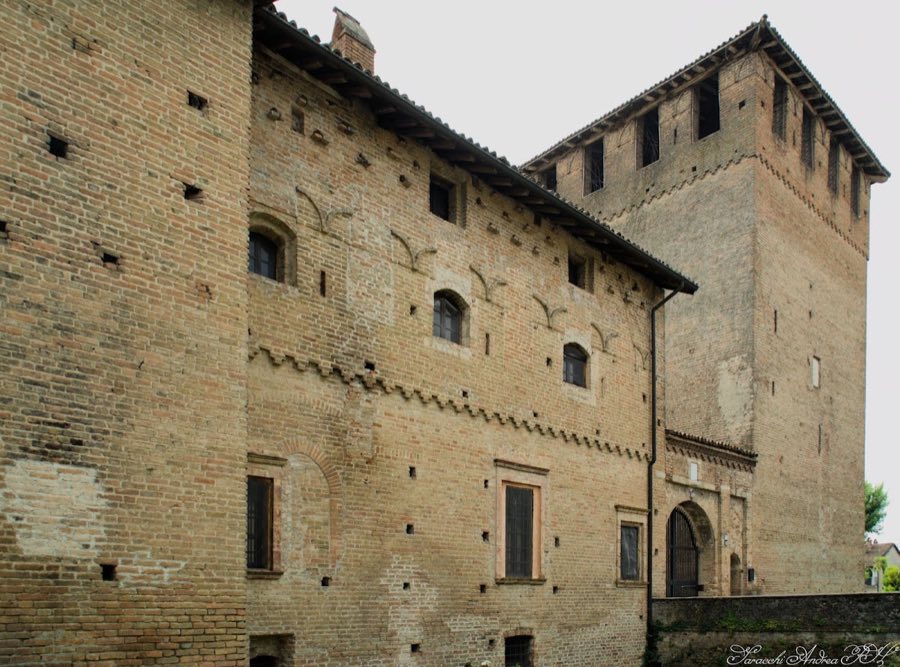
The Castello di Cigognola presents a complex and irregular architectural layout formed by multiple building sections arranged around a central tall tower. This tower, square in shape, acts as the principal focal point of the structure. Its battlements are adorned with long projecting supports called corbels and merlons—the upright sections of battlements—designed in the distinctive Ghibelline style, characterized by their swallowtail shape. These features, however, were introduced during restoration work in the 19th century, reflecting a stylistic revival rather than original medieval construction.
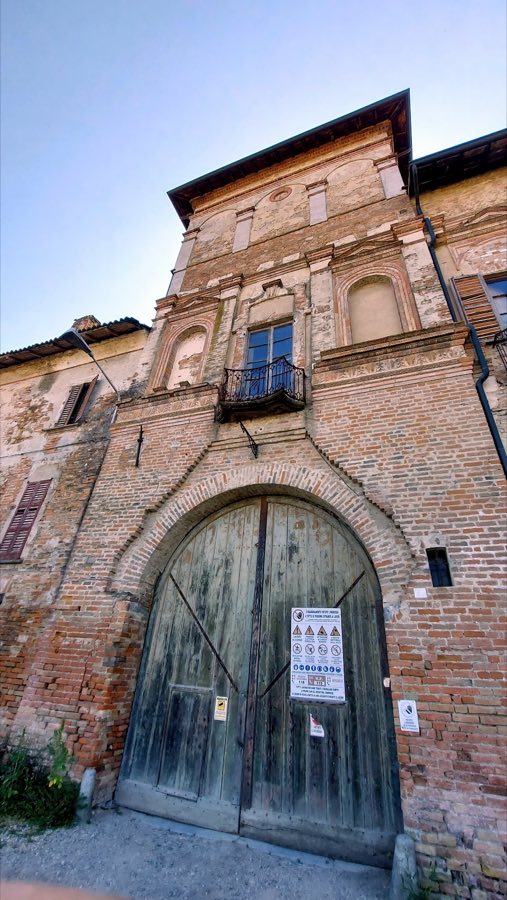
Surrounding the entire complex is a defensive wall coupled with an earthen embankment, which together would have reinforced the castle’s fortifications against attackers. Inside, the castle encloses a polygonal courtyard that serves as a central open space. A staircase within this courtyard provides access to the different levels of the castle, facilitating movement between its various parts.
Situated atop a hill at an elevation of 309 meters, the castle commands expansive views over the entrance to the Scuropasso valley and the Po Valley plain below. This vantage point underscores its original strategic purpose of overseeing surrounding territories and controlling key transit routes.
Today, the structure remains well-preserved as a private estate and operates in connection with a vineyard, integrating the historical site into the region’s longstanding tradition of wine production.
No. 25108
No. 25906
No. 22720
No. 56080
Comments
Comments for Castello di Cigognola will require a verified account before posting.
We'll send a verification link before your first comment is published.