No. 89060
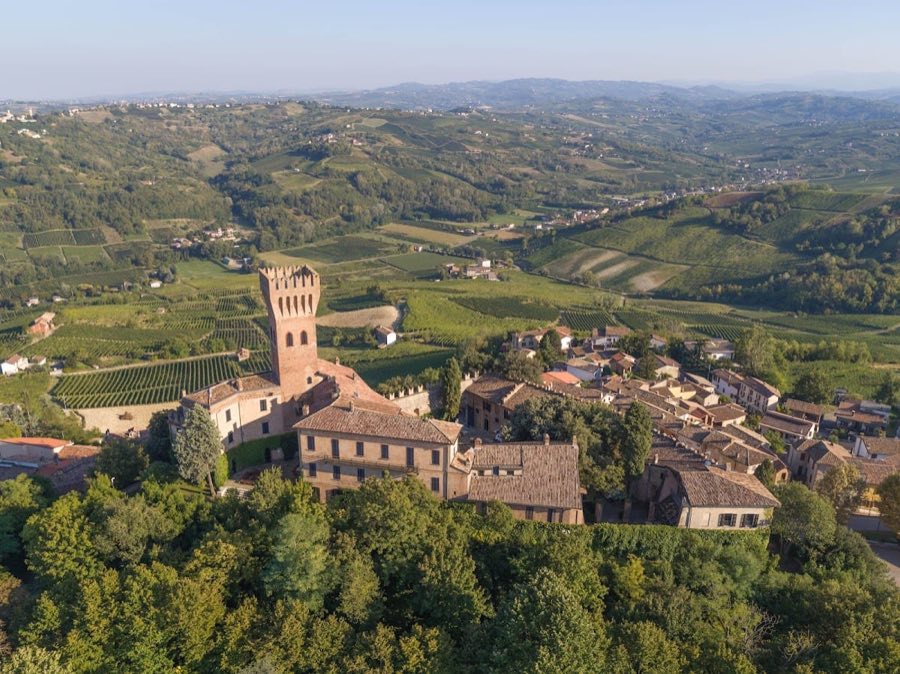
Castello di Cigognola
Italy
CastleRestored13th century
No. 25108
No. 25108 · 44.967 N, 9.283 E
Quick summary
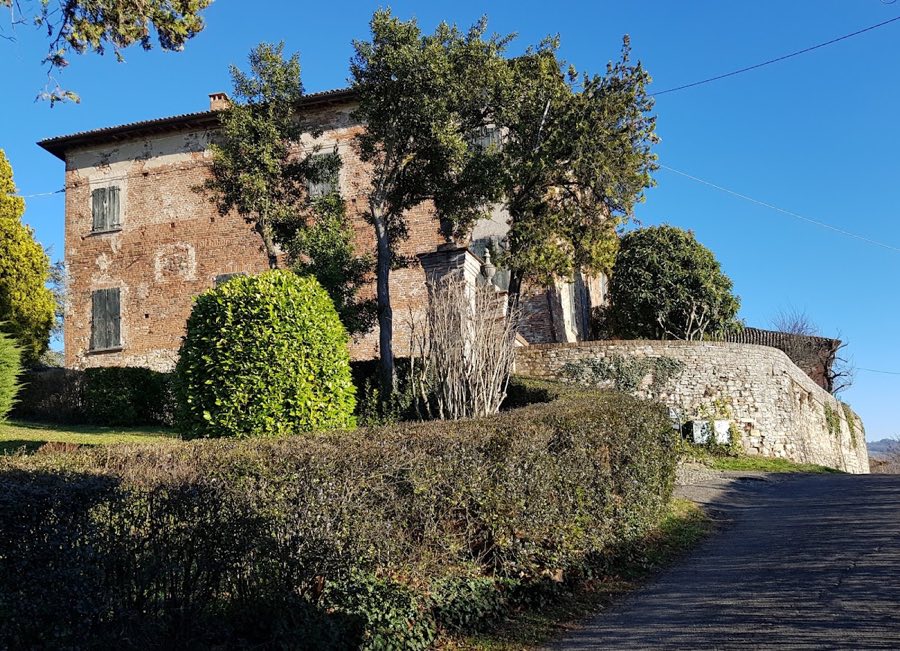
Castello di Montecalvo is a castle in Italy with origins associated with the 13th century.
See all castles in ItalyThe Castello di Montecalvo is situated in the municipality of Montecalvo Versiggia in Italy. This stone fortification was established by medieval builders as part of a defensive network controlling the Versa valley.
In the early 13th century, between 1214 and 1216, the castle was embroiled in the military conflicts involving Emperor Frederick II of Swabia, who aligned with the city of Pavia against forces from Milan and Piacenza. During these hostilities, the stronghold suffered repeated attacks and widespread looting, which led to its eventual ruin.
Decades later, in 1287, the castle entered the possession of Uberto Beccaria, an aristocrat from a Ghibelline family with roots in Pavia. The Beccaria family’s connection to the site continued for centuries. In 1596, an inscription records that Federico Beccaria, son of Annibale, financed the construction of a deep well within the castle, demonstrating efforts to improve its facilities.
Following the death of Count Claudio, the last of the main Beccaria lineage, in 1621, ownership transitioned to a different branch of the family. Eventually, the castle shifted from a defensive bastion to a countryside residence under Giuseppe Pietragrassa Berio Beccaria, although the feudal rights associated with the land were held by the Belcredi family.
The 19th century saw further changes in ownership. Early in that century, the Pisani Dossi family acquired the property, which later passed to the marquises Brignole of Genoa. On November 24, 1879, Niccolò Brignole sold the castle to Carlo and Luigi Fiori, cousins who became its private owners.
The Castello di Montecalvo is constructed mainly of robust stone, with some inserts of brick, standing upon a wide, sloped base designed to enhance its defensive strength. Its ground plan is U-shaped, positioned on a bastioned platform that rises on the hilltop, a strategic choice reflecting its military purpose and adaptation to the uneven terrain.
On the castle’s southern side, vestiges of a tower can still be observed, marking part of its once formidable fortifications. At the southwestern corner, the remains include the conical base of a projecting turret, a feature that would have allowed defenders to oversee and protect the surrounding area effectively.
Internal to the castle grounds, a notable element is an inscribed stone commemorating the well built in 1596 through the patronage of Federico Beccaria. This well represents a significant functional addition from the late 16th century, highlighting ongoing improvements to the castle’s infrastructure during its long history.
Together, these remnants illustrate the castle’s evolution from a military fortress to a noble residence, with the surviving structures providing tangible links to its medieval origins and subsequent adaptations over the centuries.
No. 89060
No. 84594
No. 25906
No. 52202
Comments
Comments for Castello di Montecalvo will require a verified account before posting.
We'll send a verification link before your first comment is published.