No. 60640
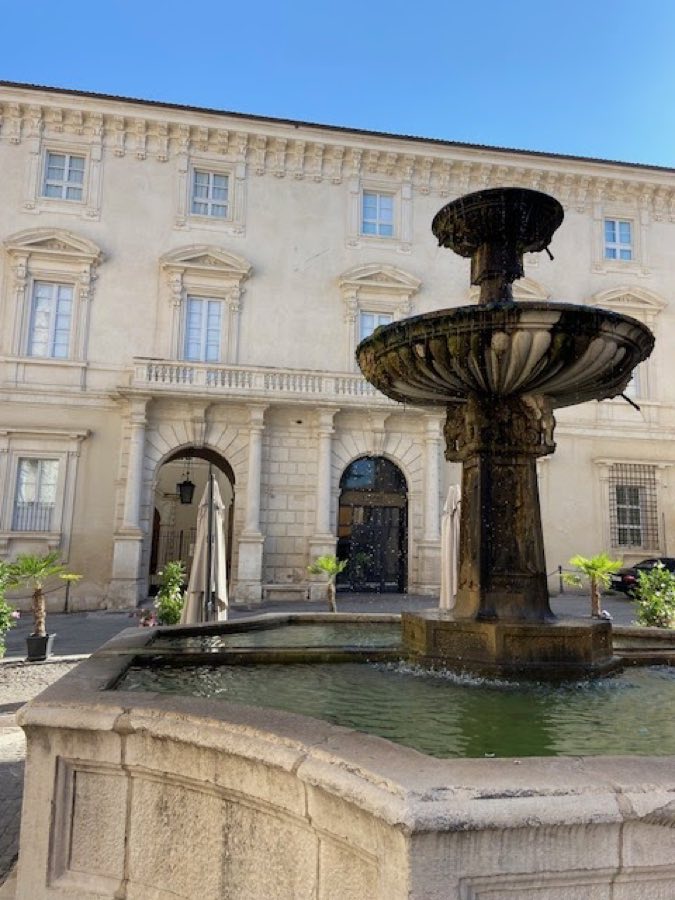
Palazzo Pica Alfieri
Italy
PalaceRestored15th century
No. 60223
Castle · Italy
No. 60223 · 42.437 N, 13.307 E
Quick summary
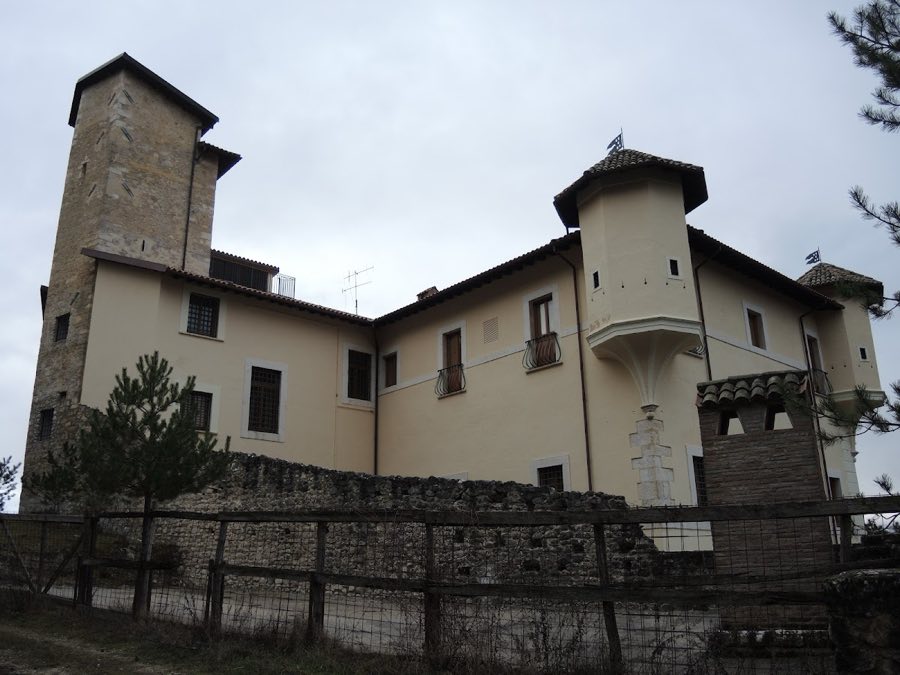
Castello Dragonetti de Torres, Pizzoli is a castle in Pizzoli, Italy with origins associated with the 17th century.
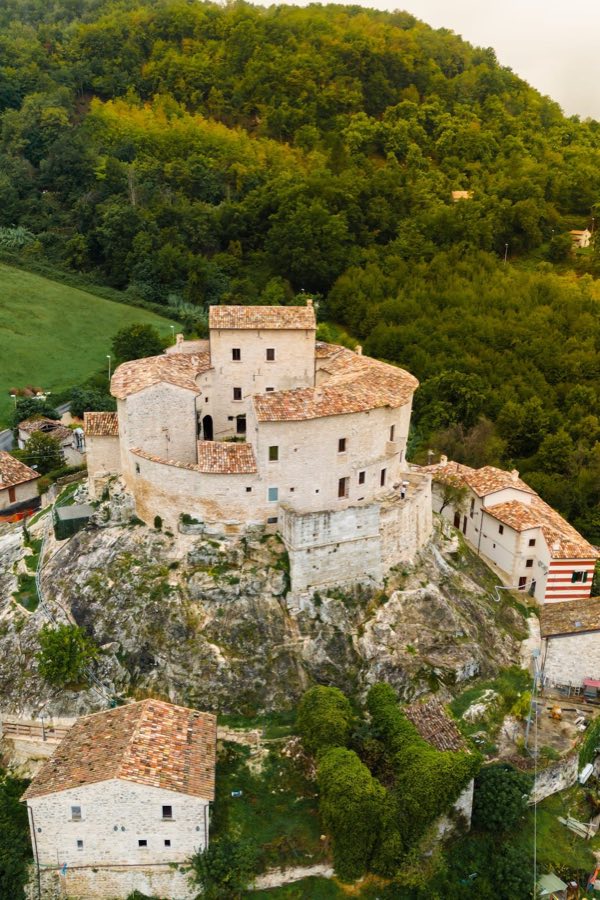
See all castles in ItalyCastello Dragonetti de Torres originated with Norman builders who established the earliest fortification in the area. The first known castle, recorded as Castrum Pizzolum, stood on Monte Marine above 1,000 metres and included a pentagonal tower dated to the twelfth century. In a later medieval phase the defensive focus moved down the slope and a new castle was erected at the mountain’s foot to shelter inhabitants and their flocks. That lower enclosure became one of the castles linked to the emergence of L’Aquila and was attacked by the knight Niccolò dall’Isola during campaigns that dismantled outlying strongholds in favour of the nascent city. Surviving portions of the medieval fortification were later incorporated into the complex known as Palazzo Dragonetti-de Torres.
Under Spanish rule the locality was granted as a fief to Captain Francisco Aldonas; after successive transfers the estate passed to the Marchesi de Torres. The principal palace is commonly dated to the seventeenth century and some works are attributed to a marchese Dragonetti. In 1622 Cardinal Cosimo de Torres commissioned design and modernization work from the architect-sculptor Pietro Larbitro; numerous lintels bear the inscription COS CARD DE TORRES and the de Torres coat of arms, accompanied by a red cardinal’s hat, decorates principal salon ceilings.
The seventeenth-century rebuilding removed long stretches of the earlier curtain wall and adapted an older tower for agricultural use. Nineteenth-century alterations remodelled outlook towers or casemates for firing, reinforcing the castellated appearance. During the German occupation in World War II interior furnishings were removed, and in 1950 the structure was converted to a sanatorium for tuberculosis patients. Later restoration work uncovered the ancient tower masonry and a raised access doorway, revealing the site’s multiple phases of use.
The complex has a roughly quadrangular plan combining defensive and residential functions. The perimeter includes guardhouses pierced with narrow firing slits for small arms. Much of the seventeenth-century palace is masonry that incorporates fragments of earlier walls, and several stone lintels on principal facades carry the inscription COS CARD DE TORRES.
The principal entrance is monumental, reached by two broad flights of stairs that meet at the main portal opening toward the garden. That entrance axis is visually linked to a balcony on the principal floor, whose decoration draws on motifs known from sixteenth-century Roman villas. Inside, large reception rooms, grand staircases and a small private chapel with a stucco-decorated ceiling survive.
A pentagonal tower from the twelfth century remains attached to the later building and corresponds to the outer projecting spur of the former defensive line. Restoration work exposed the original tower masonry and revealed a high-level doorway that would originally have been reached by a removable wooden ladder. Archaeological evidence records an earlier castle enclosure with curtain walls and at least one tower that served as the command seat and residence of the local feudal lord.
Nineteenth-century refitting altered small watch-turrets and casemates, and walls throughout the complex bear holes where arquebuses were once placed. The main salon ceilings retain the de Torres coat of arms with the cardinal’s red hat, and many interior architraves preserve seventeenth-century inscriptions. The building’s fabric preserves traces of its use as a noble residence, its later militarized modifications and twentieth-century conversions, while recent restorative work has left medieval masonry and elevated access features visible in situ.
No. 60640
No. 66648
No. 28720
No. 61748
Comments
Comments for Castello Dragonetti de Torres, Pizzoli will require a verified account before posting.
We'll send a verification link before your first comment is published.