No. 66648
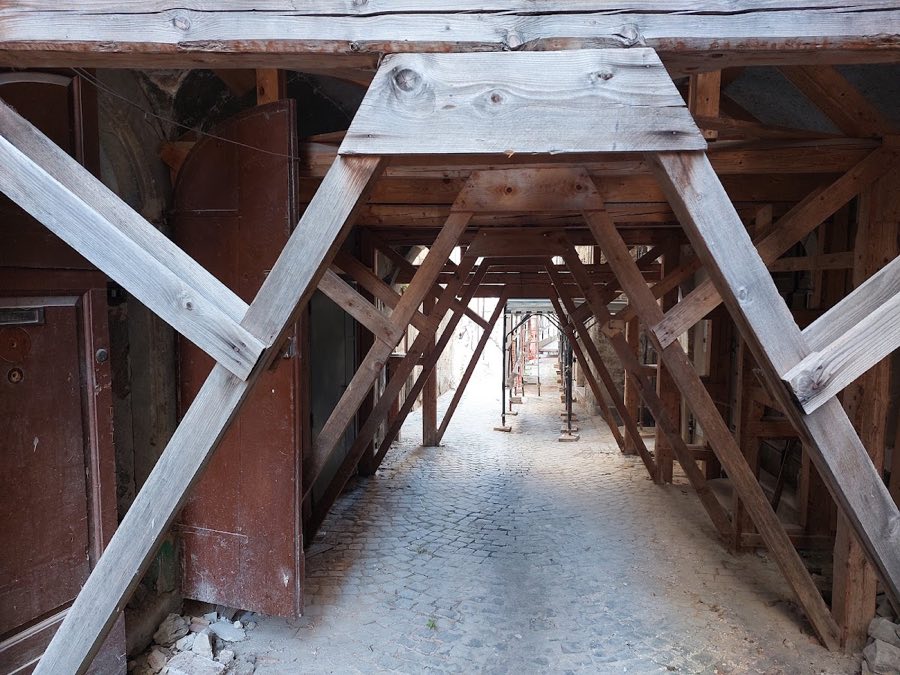
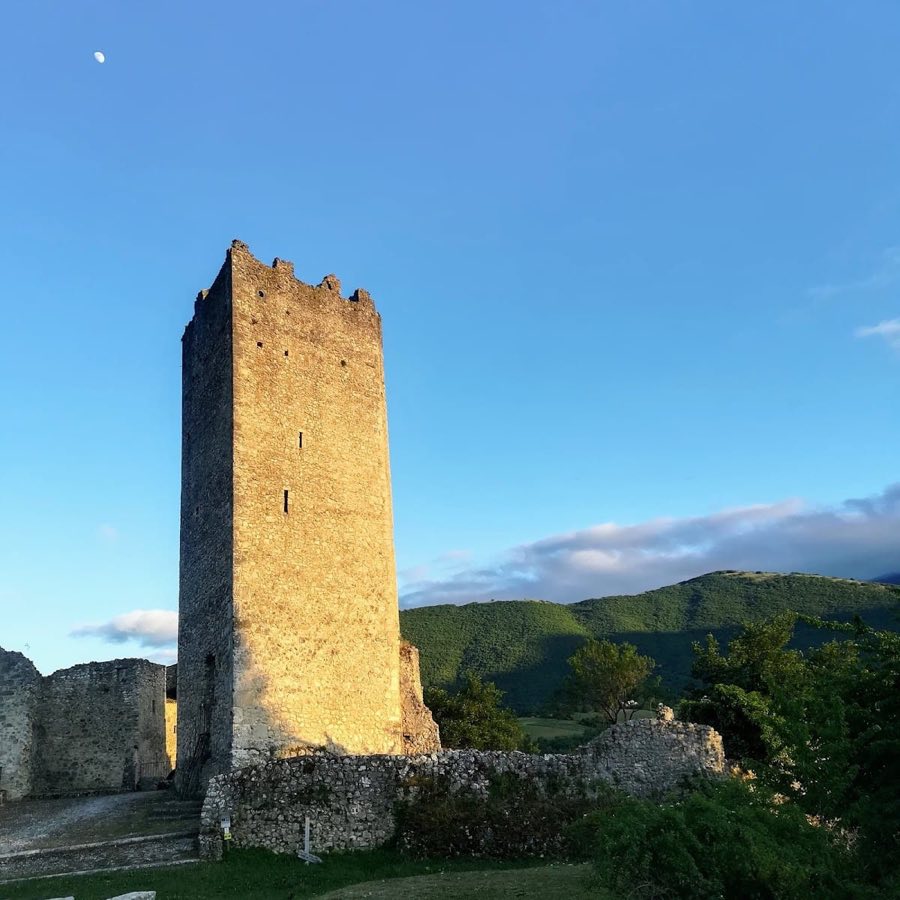
Castle of Fossa
Italy
CastleIntact12th century
No. 60640
Palace · Italy
No. 60640 · 42.352 N, 13.398 E
Quick summary
Palazzo Pica Alfieri is a palace in Italy with origins associated with the 15th century.
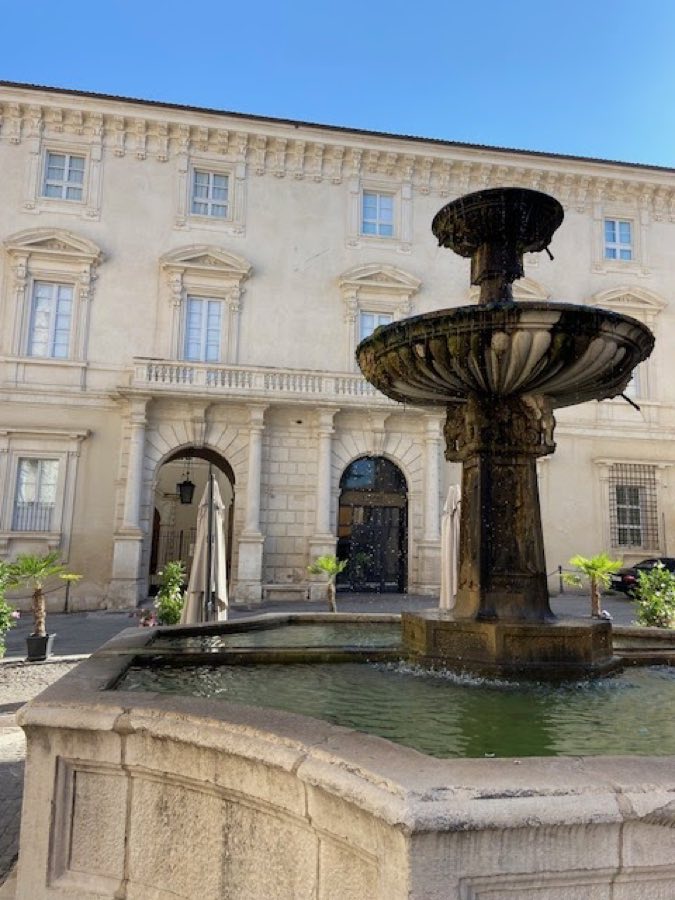
See all castles in ItalyPalazzo Pica Alfieri in L’Aquila, Italy, occupies a site first developed during the Renaissance and later reshaped in the Baroque period by Italian patrons. Its origins link the building to the late 15th century and Renaissance urban life, while its present form dates mainly to the early 18th century Baroque rebuilding. The palace played a sustained public role through successive owners and, because it faces Piazza Santa Margherita, formed part of the city’s political core alongside Piazza del Palazzo until the 18th century.
The earliest recorded phase names the place as the Palace of the Count of Montorio, where Queen Joanna of Aragon lodged in 1493. Ownership then passed into other hands and the house became an official residence tied to local administration, serving the treasurer of Abruzzo Ultra and hosting notable residents such as Andrea Ardinghelli and Margherita Strozzi.
In 1685 the property changed hands again when it was bought from the Barberini family by Ludovico Alfieri for 1,700 ducati. Soon after that century turned violent for the city: the earthquake of 1703 destroyed much of the building. Reconstruction began promptly and the palace was rebuilt in the Baroque manner now visible, with an initial phase reorganizing interior spaces so the Alfieri family could return, followed by completion of the principal façade in the early 1700s.
By the late 18th century the building acquired the compound family name Pica-Alfieri after the 1785 marriage of Eusebia Alfieri to Giannanatonio Pica, heir of the Pica family of L’Aquila. Architecturally, the palace and its neighbor Palazzo Quinzi stand among the first local examples of L’Aquila Baroque, a style that reached fuller elaboration later in the century with new palaces such as Palazzo Centi.
The modern era brought fresh damage in the 2009 earthquake, when the palace was declared uninhabitable. Household furnishings and artworks that had been kept in the building until 2009 were put up for auction and sold in 2011, reportedly without statements from the Pica Alfieri family. Structural restoration began on 15 September 2014 and work was completed in time for the palace to reopen to the public on 29 September 2018.
The palace presents a compact quadrangular plan with three exposed sides and a fourth side closed by a counter-wall that separates it from the adjacent Palazzo Quinzi. It stands on Piazza Santa Margherita and aligns along the east–west axis of Via Roma, the decumanus of the Angevin town plan, which shapes its urban relationships and approach.
The main façade, completed in the early 18th century, is arranged in three vertical sections and is marked by a balcony set above two entrance portals. The balcony is carried on four slim columns that give rhythm to the front and emphasize the central access to the building. This front faces the Palazzo della Congregazione dei Nobili, whose façade aligns with the palace entrance hall.
Inside, a broad courtyard opens to the surrounding rooms, while the saloni (reception rooms) hold furnishings from the 18th century and a picture gallery of more than fifty paintings. The gallery includes works by Girolamo Cenatiempo, Pompeo Cesura, and Francesco Lavagna, which formed part of the palace’s historical interior display.
On the western side the palace sits close to the church of Santa Margherita and the Palazzo Margherita, the latter once the governor’s residence and today the town hall. The building’s historic fabric suffered heavy damage in the 2009 earthquake and was declared uninhabitable; movable contents were auctioned in 2011. Conservation and rebuilding took place from September 2014 until the palace reopened on 29 September 2018, returning the restored structure to the cityscape.
No. 66648
No. 28720
No. 60223
No. 92193
Comments
Comments for Palazzo Pica Alfieri will require a verified account before posting.
We'll send a verification link before your first comment is published.