No. 29605
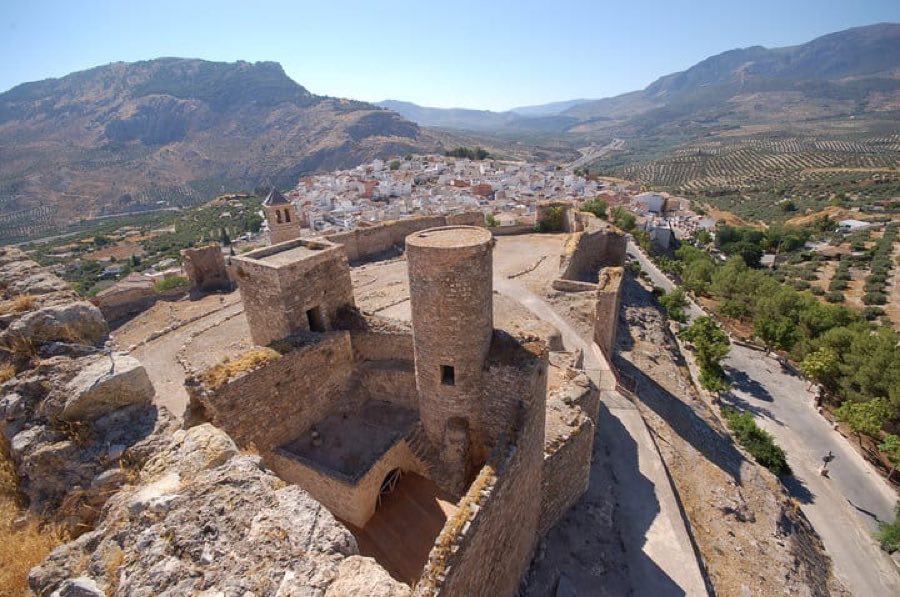
Castillo de La Guardia
Spain
CastleRuin4th century
No. 33138
No. 33138 · 37.652 N, 3.462 W
Quick summary
Castillo de Huelma is a castle in Spain with origins associated with the 16th century.
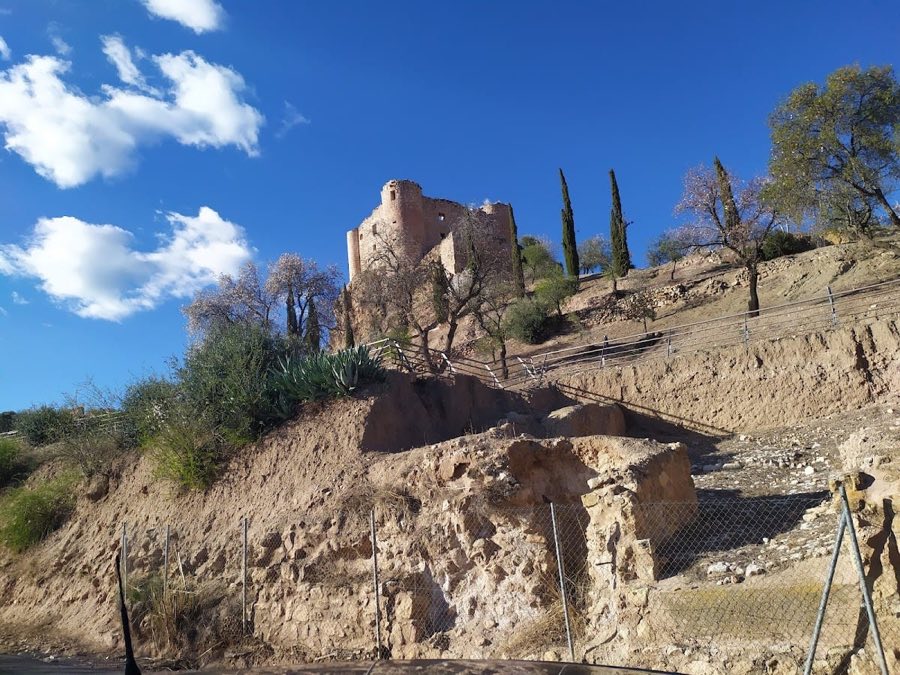
See all castles in SpainThe Castillo de Huelma is situated near the town of Huelma in Spain and was constructed initially by Christian nobility in the 16th century. This fortress was built atop the remains of a former Muslim castle, reflecting the area’s layered history of conquest and resettlement.
Before the castle’s 16th-century construction, a Muslim settlement, known locally as “la villa,” occupied the site. This community was organized around a fortified enclosure called an alcazaba, notable for its polygonal layout and distinct masonry techniques. The settlement thrived until it was depopulated in the mid-1500s amid the broader Christian reconquest and reorganization of frontier lands.
The castle’s strategic importance emerged during the late medieval period, especially as a military stronghold guarding access routes to Granada. It was captured by Castilian forces in 1438 after several attempts and became royal property. However, local power often rested in the hands of influential nobles such as the Marqués de Santillana and later the Cueva family, who undertook notable renovations to the structure.
This site illustrates a historical transition from dispersed rural Muslim communities, which centered on small fortified farms or hisn, to a more centralized medieval Christian fortification. Archaeological finds on the site reveal a mix of Nasrid (Muslim Granada) and Christian ceramics from the 14th through 16th centuries, underscoring the area’s evolving cultural influences under shifting political control.
The large cistern within the castle, sharing construction qualities with those found in the Alhambra palace, is believed to date from an earlier 14th-century fortification phase, indicating the continuity of the site’s use well before the current 16th-century castle was built. Over time, its function developed from a simple refuge to a key center of military and political authority in the region bordering the Nasrid Kingdom of Granada.
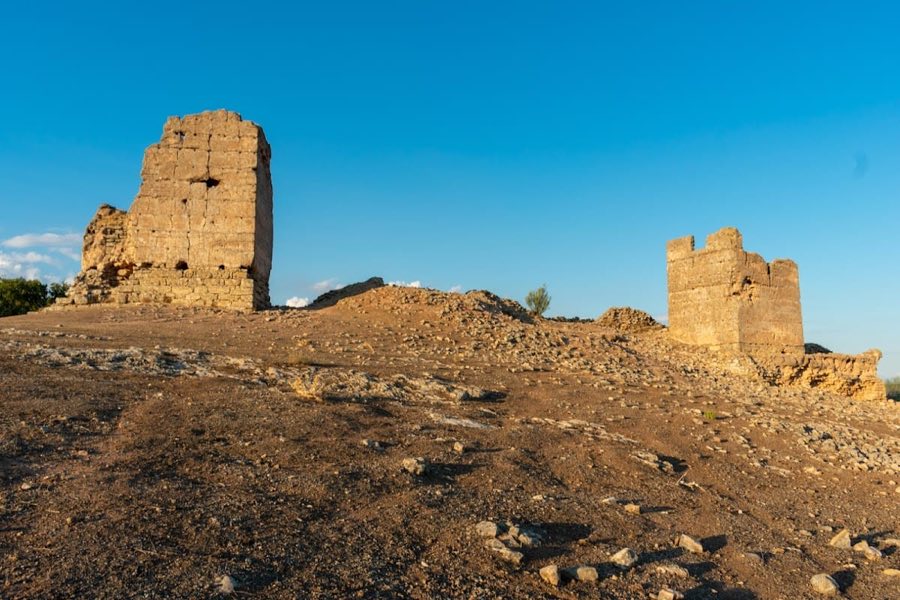
The current remains of the Castillo de Huelma display a compact quadrangular fortress approximately 14 by 11 meters, strengthened by four cylindrical towers positioned at each corner. The curtain walls connect these towers, with the southern facade featuring two large towers equipped for artillery, evident from gun openings on multiple levels. These features reflect advancements in military architecture that adapted to the use of firearms.
One corner of the castle is built directly on a sharp rock outcrop, which provided natural defense and influenced the fort’s design. The main entrance sits at ground level and is marked by a semicircular arch, providing access to the interior space.
Within the castle lies a large cistern resting on bedrock, constructed with concrete walls between 1.2 and 1.5 meters thick. The cistern measures originally around 8.3 meters long by 3.25 meters wide, with a depth of about 1.65 meters. Over time, this water reservoir was repaired multiple times, including the use of brick patches and added layers to improve waterproofing. Its northeast wall features cut beam sockets likely intended to hold a wooden floor supporting a second story above the entrance area.
Aside from the cistern, the interior includes stairs and terrace features that conform to the uneven terrain, although no other internal buildings have survived within the castle’s enclosure. The castle’s masonry and mortar differ clearly from the nearby Muslim fortifications, marking distinct phases of construction and use.
Surrounding the castle are archaeological traces of the former Muslim settlement, including sections of walls and towers built with coursed masonry. These remains form part of a larger fortified “villa” area that once had a double defensive enclosure typical of frontier castles in the 14th and 15th centuries. Surface finds such as Nasrid and Christian ceramics, roof tiles, and floor remains between the castle and lower walls reveal a complex history of occupation and reoccupation by different cultural groups.
Together, these features illustrate the site’s long history as a military and residential center, evolving from a Nasrid stronghold to a 16th-century Christian fortress within a contested border zone.
No. 29605
No. 25084
No. 94280
No. 33431
Comments
Comments for Castillo de Huelma will require a verified account before posting.
We'll send a verification link before your first comment is published.