No. 55727
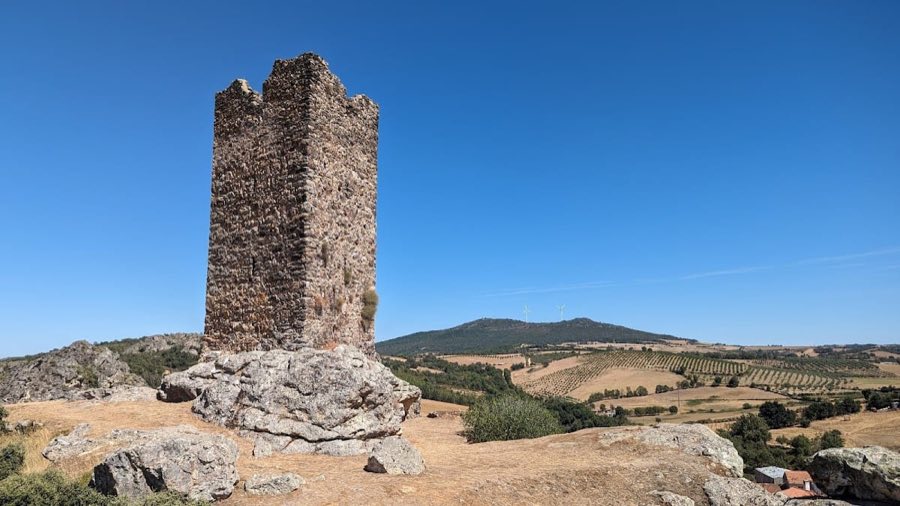
Castle of Penas Róias
Portugal
CastleIntact14th century
No. 62778
Castle · Portugal
No. 62778 · 41.461 N, 6.579 W
Quick summary
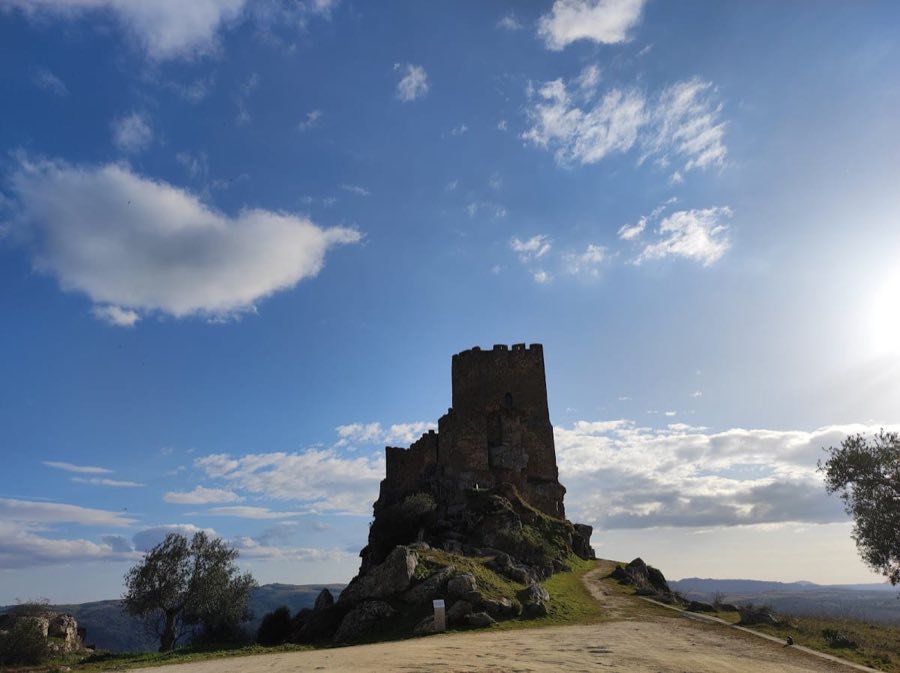
Castle of Algoso is a castle in Portugal with origins associated with the 12th century.
See all castles in PortugalThe Castle of Algoso stands in the civil parish of Algoso, within the municipality of Vimioso in Portugal’s Bragança district. Archaeological findings show that the site was occupied since the Chalcolithic period, with artifacts from the Bronze Age and Roman ceramics, though these early settlements were not military in nature. The strategic location overlooking the Angueira River made it a valuable frontier position.
The fortress itself was built in the late 12th century by D. Mendo Rufino (or Bofino), a local noble granted the lands by King Afonso Henriques, Portugal’s first king. Its primary purpose was to defend the border against the neighboring Kingdom of León. The castle is mentioned in the 1258 Inquirições, official inquiries that recorded landholdings and fortifications, confirming its early role as a royal stronghold in the Terra da Miranda region.
In 1224, King Sancho II transferred ownership of the castle to the Knights Hospitaller, a military religious order. They transformed the fortress into a Gothic-style commandery, integrating it into a defensive network along Portugal’s northwest border. During the 13th century, the castle was involved in territorial disputes between the Knights Hospitaller and the Knights Templar, with King Dinis confirming Hospitaller rights in 1291 and ordering reconstruction works to strengthen the fortress.
The castle received a formal charter, or foral, in 1480 from King Afonso V, which was later confirmed by King Manuel I in 1510. By the early 16th century, the castle’s population had declined, with only the alcaide, or castle governor, residing there. During the 1580 Portuguese succession crisis, the alcaide supported António, Prior of Crato, a claimant to the throne. After Philip I of Spain took control, the municipality received privileges, but the castle’s military importance diminished.
By the 17th century, the castle was largely abandoned and in ruins. Its last recorded military use was in 1710 during the War of Spanish Succession. Despite this decline, the fortress resisted Spanish attacks during the Seven Years’ War in 1762. In the 20th century, preservation efforts began, with the castle classified as a property of public interest in 1955 and restoration projects starting in 1944, continuing through the 1970s and early 2000s.
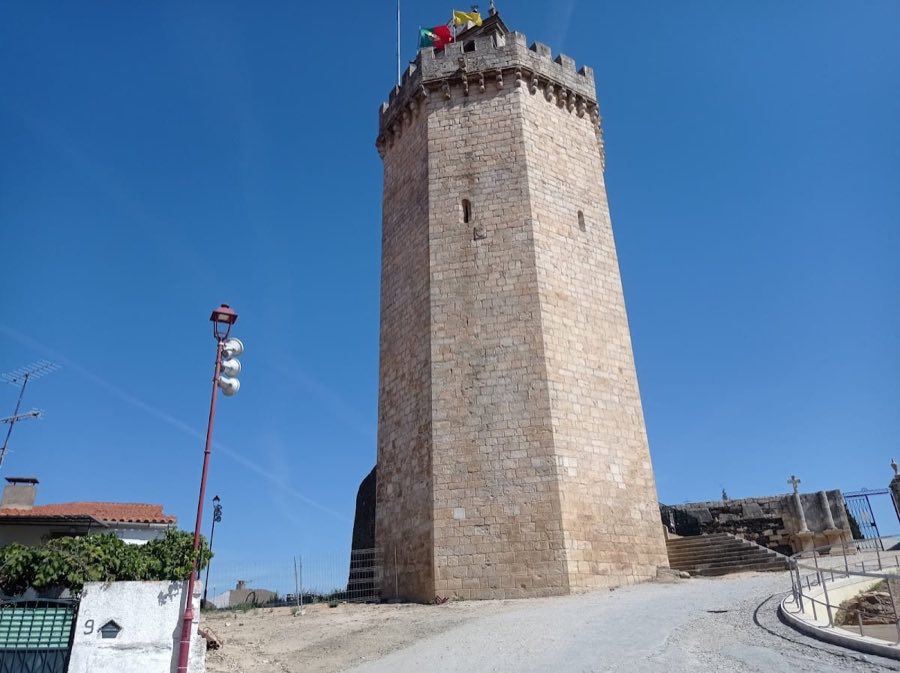
The Castle of Algoso occupies a granite hilltop called Cabeço da Penenciada, about 690 meters above sea level. Its rectangular layout follows the natural terrain and is built mainly from quartzitic schist and granite. The walls are thick and corbelled, enclosing a small military courtyard or patio.
The most prominent feature is a three-story heptagonal keep tower. This tower has large stone reinforcements at its corners and served as the commander’s residence on the lower floors. The upper floor was designed for defense, with vaulted ceilings, battlements called merlons, narrow vertical openings for archers known as arrowslits, and machicolations—openings above the entrance used to drop objects on attackers. The main entrance to the tower is a Gothic pointed arch.
The castle walls include several circular towers called cubelos, with a notable square cubelo near the northern gate. This entrance is protected by a barbican, an outer defensive structure, and accessed by steps carved into the rock. Inside the walls, remains of support buildings such as stables and a kitchen can be seen, though the interior space is cramped and dominated by large stones.
A large vaulted cistern measuring roughly 30 by 30 meters and about 3 meters high is located within the castle. It could hold approximately 90,000 liters of water, essential for sustaining the garrison during sieges. In the late 17th century, the castle was modified to include artillery openings in an eastern tower, adapting to the use of gunpowder weapons.
Recent conservation work has stabilized the masonry, restored battlements, cleared vegetation, and improved access with metal railings and lighting. These efforts have preserved the castle’s structure while maintaining its historical character.
No. 55727
No. 46713
No. 70649
No. 80176
Comments
Comments for Castle of Algoso will require a verified account before posting.
We'll send a verification link before your first comment is published.