No. 85613
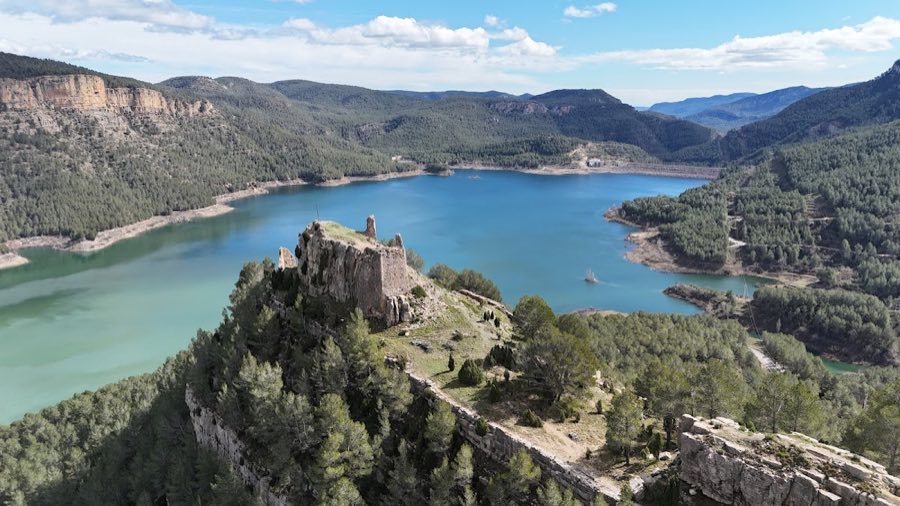
Castillo de la Viñaza
Spain
CastleRuin12th century
No. 55673
No. 55673 · 40.197 N, 0.202 W
Quick summary
Castle of Atzeneta is a castle in Spain with origins associated with the 11th century.
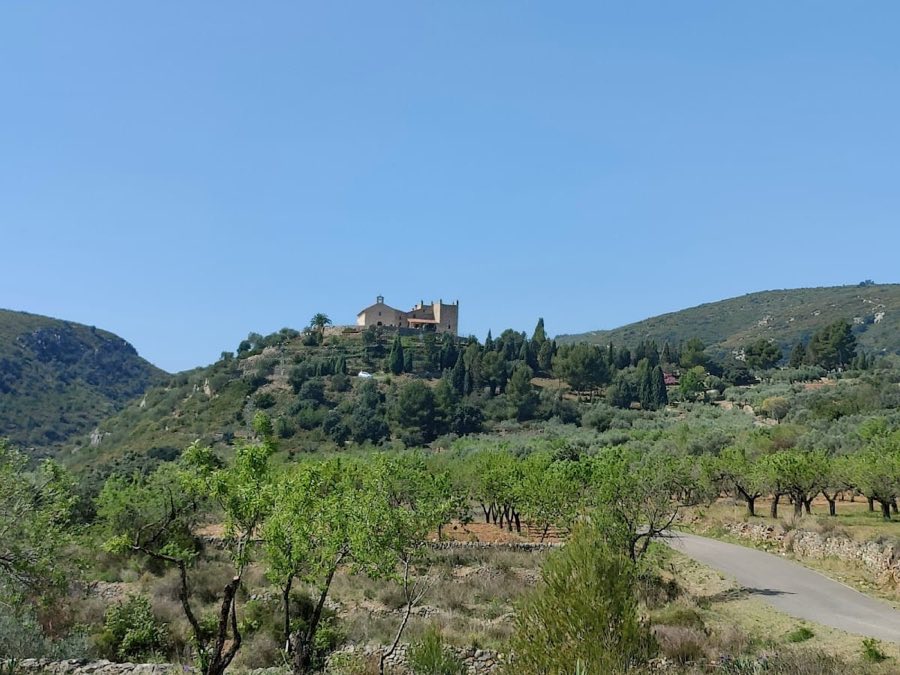
See all castles in SpainThe Castle of Atzeneta is a fortress located near the town of Atzeneta del Maestrat in Spain, originally constructed by Muslim builders during the 11th century. Its foundation incorporated earlier Roman remains, demonstrating a long-standing strategic use of this site.
During the medieval period, the castle belonged to the domain of the nearby Castle of Culla. Following the Christian reconquest led by King James I of Aragon, the fortress changed hands as part of a negotiated exchange: the Castle of Atzeneta, along with the Castle of les Coves, was offered in return for the town of Morella. Ownership was then transferred to the nobleman Blasco de Alagón. The castle then passed through several lines of inheritance, including to Constanza de Alagón and Guillem de Anglesola, and subsequently to their daughter Mergelina de Anglesola. Mergelina’s marriage linked the castle to the Queralt and Cervelló families, lords of Santa Coloma de Queralt.
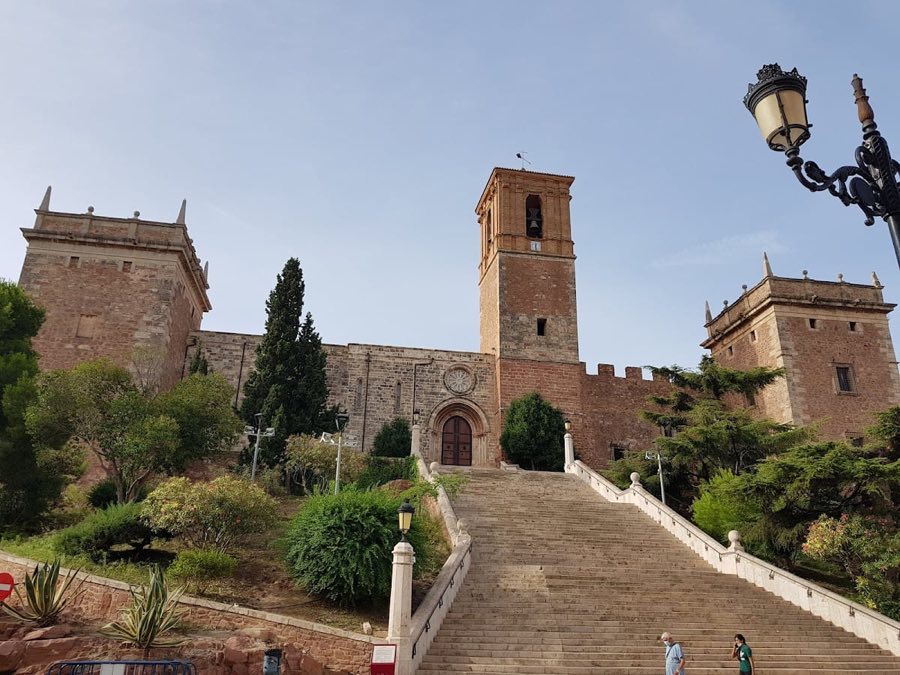
In 1387, Pere de Queralt, a descendant of this lineage, sold the castle to the Master of Montesa, marking another significant ownership change. Over time, the castle’s role as a military stronghold diminished, and historical accounts note its decline. The Crónica de Viciana documents that the fortress eventually fell into ruin, and the local inhabitants constructed a church dedicated to Our Lady of Hope and Saint Sebastian on its former site.
Throughout its active use, the castle’s primary purpose was defensive. Positioned about three kilometers from Atzeneta del Maestrat at roughly 500 meters above sea level, it guarded the Atzeneta mountain pass. This location controlled the main access route through the Llucena mountain ranges and the ravines known as Les Torrocelles and Mas d’Avall.
Since January 28, 2003, the site has been protected as a Bien de Interés Cultural (BIC) by the Generalitat Valenciana, recognizing its historical and cultural importance.
Today, the most prominent surviving element of the Castle of Atzeneta is its square-plan keep, also called the tower of homage. This building was constructed in the Gothic style and served as the fortress’s main stronghold. Constructed using a combination of ashlar blocks—large, dressed stone—and smaller squared stones known as sillarejo, alongside masonry, the keep reflects medieval building techniques. The tower includes a guesthouse and entrances framed by semicircular arches.
Inside the tower are several notable features that speak to the castle’s historical and religious significance. A 1689 oil painting on canvas depicting the Immaculate Conception remains within, alongside architectural details such as pointed arches and a staircase. A contemporary oven, dating back to the original construction period, also survives within the tower’s interior. An 18th-century altarpiece dedicated to Saint John the Baptist was once housed here but has since been moved to the parish archive.
The site also contains a chapel dating from around the 14th century. This smaller religious building was dedicated to the town’s patron figures: the Virgin of Hope and Saints Fabian and Sebastian. The chapel once featured a sundial on one of its corners, though only a small fragment survives today. Above its entrance lies an ecclesiastical coat of arms, underlining its sacred function. This chapel’s placement and dedication reflect the local community’s continued religious connection to the former fortress even after its military importance waned.
No. 85613
No. 68744
No. 78289
No. 42252
Comments
Comments for Castle of Atzeneta will require a verified account before posting.
We'll send a verification link before your first comment is published.