No. 83549
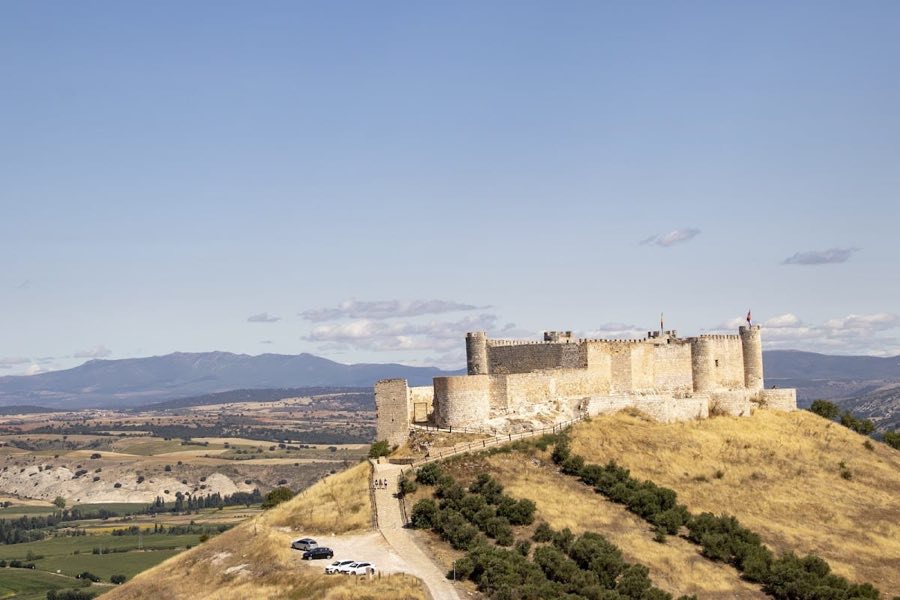
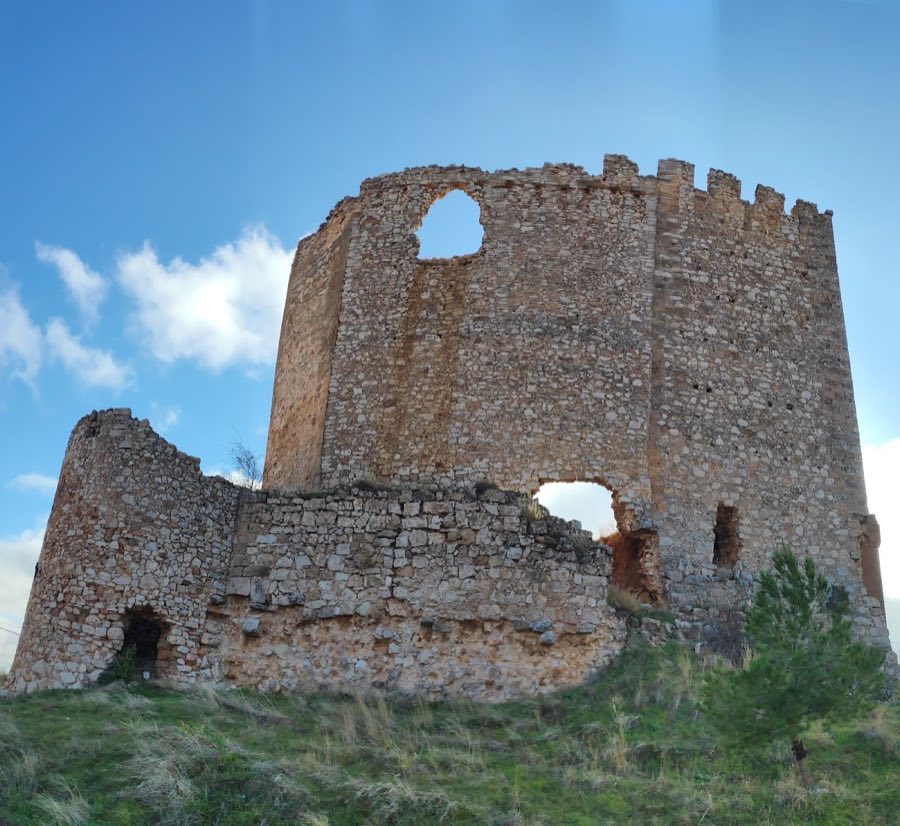
Castle of Jadraque
Spain
CastleRuin15th century
No. 98604
Castle · Spain
No. 98604 · 41.494 N, 3.008 W
Quick summary
Castle of Gormaz is a castle in Spain with origins associated with the 14th century.
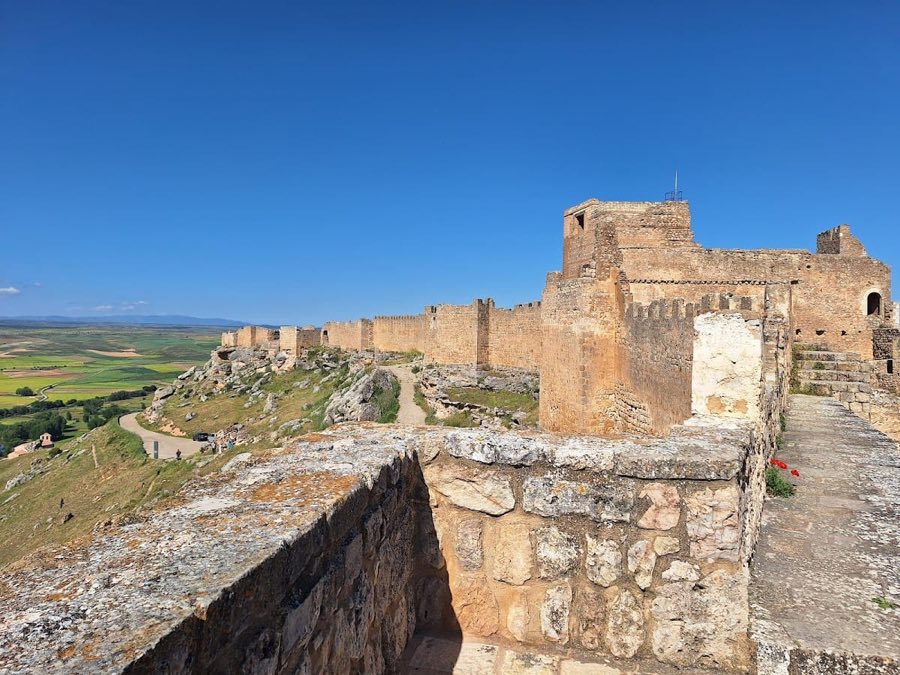
See all castles in SpainThe Castle of Gormaz is a medieval fortress situated in the municipality of Gormaz in present-day Spain. This stronghold was originally built or reconstructed in 965–66 during the Caliphate of Cordoba by the Muslim general Ghalib ibn Abd al-Rahman under the rule of Caliph al-Hakam II.
The castle was erected on the site of an earlier fortification to serve as a vital defensive position along the northern frontier of Al-Andalus, the Muslim-controlled territory on the Iberian Peninsula. Its location allowed control over important access routes and the crossing of the Duero River, making it a strategic military asset. Throughout the 10th and 11th centuries, the fortress experienced numerous military confrontations as the border between Muslim and Christian lands shifted. It was besieged in 974–75 and reportedly fell into Christian hands in 978 and 983, although control of the site continued to fluctuate. Some evidence suggests that Muslim forces carried out repairs to the castle into the 1060s, reflecting its ongoing significance in regional conflicts.
Following the final Christian conquest, the castle was granted in 1087 by King Alfonso VI to the famed Castilian nobleman and military leader known as El Cid. The fortress remained strategically important in later centuries, particularly during the 14th century when it played a role in the disputes between King Pedro I of Castile and King Pedro IV of Aragon. During this period, the castle underwent restorations and was accompanied by a small urban settlement within its walls. After these conflicts, the castle fell into disuse and was abandoned sometime after the 14th century, eventually becoming a ruin.
Modern interest in the site began with archaeological excavations started in the early 20th century, around 1922, and continued with more detailed research in the late 20th century led by Juan Zozaya. Recognizing its cultural and historical value, the Spanish government declared the Castle of Gormaz a National Monument in 1931. The site’s historical stature also inspired its use as a backdrop for the 1961 film “El Cid.”
The Castle of Gormaz is notable for its extensive fortifications built primarily from masonry stone that likely includes reused materials from earlier constructions. The fortress stretches along an elongated east-to-west axis, measuring between approximately 380 and 446 meters in length, with widths varying from 17 to 63 meters. The perimeter walls extend roughly 1,200 meters and rise to about 10 meters high, reinforced by 24 to 28 towers that slightly project outward. Distinct construction styles mark the northern and southern walls: the northern side features large, rough stone blocks and a straighter alignment, while the southern wall is more curved and composed of finely carved stones, though this side has suffered greater erosion and landslides.
Two large gates provide access to the castle. The main entrance on the southwest is framed by two massive horseshoe arches spaced about 1.26 meters apart and flanked by towers. The outer arch measures 2.76 meters wide and reaches a height of 7 meters at its keystone. Historic decoration on this gate included plaster or stucco within an alfiz—a rectangular frame common in Islamic architecture—featuring possible Arabic script or geometric designs. At the eastern end of the fortress lies a heavily fortified citadel or keep. This section is separated from the larger western area by a moat and accessed through a gate with a bent entrance inside a defensive tower. Both the citadel and the main enclosure contained cisterns, which ensured water supply during sieges.
Inside the castle’s enclosure, archaeological work has identified a musalla, an open-air prayer area, distinguished by a surface covered in white mortar. In the 14th century, a small urban community inhabited the main part of the fortress, indicating its use beyond purely military functions at that time. Nearby stands the Hermitage of San Miguel de Gormaz, a chapel where a foundation stone inscribed with a mention of Caliph al-Hakam II was discovered; this stone is now housed in the nearby Burgo de Osma Cathedral.
The castle’s stones were originally painted mainly in white and red, while some Roman and Islamic stelae are embedded in the western walls. These carved stone slabs were thought to serve a protective purpose, intended to repel evil spirits. Positioned atop a hill rising about 100 meters above the Duero River, the fortress commands panoramic views of the surrounding landscape and maintains control over a bridge spanning the river, emphasizing its role as a critical defensive and administrative center throughout its history.
No. 83549
No. 44131
No. 43934
No. 66177
Comments
Comments for Castle of Gormaz will require a verified account before posting.
We'll send a verification link before your first comment is published.