No. 37972
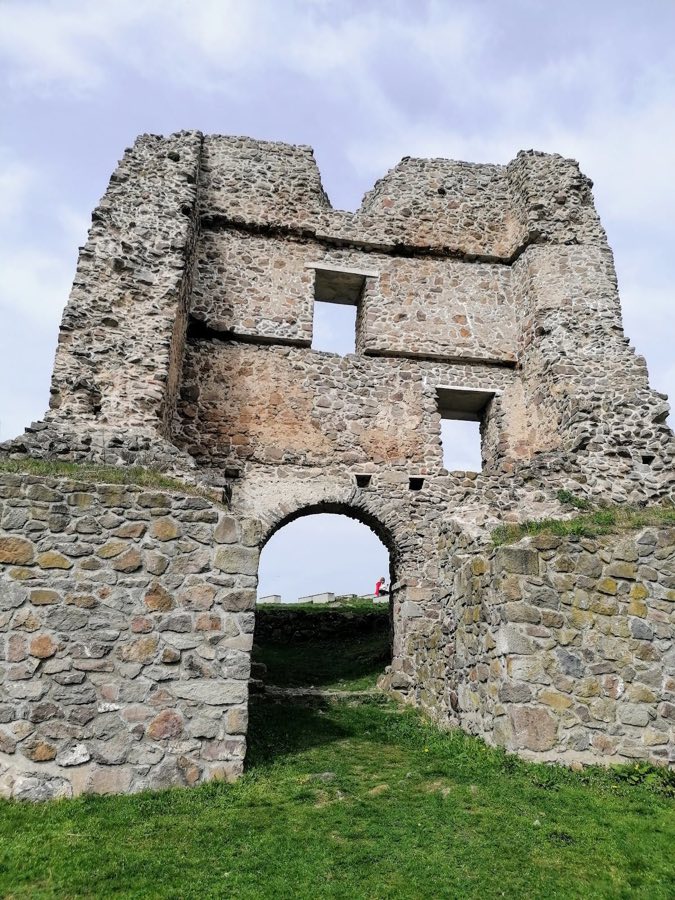
Pustý hrad
Slovakia
CastleRuin12th century
No. 49302
Castle · Slovakia
No. 49302 · 48.556 N, 19.300 E
For rent
Castle Vígľaš is marked for bookable castle accommodation. Nightly pricing, sleeps count, stay rules, and amenities are displayed only when public operator data is available.
Rental type: Hotel / bookable stay, Short-stay rental
Short-term availability: Bookable accommodation signal
Quick summary
Castle Vígľaš is a castle in Slovakia with origins associated with the 14th century.
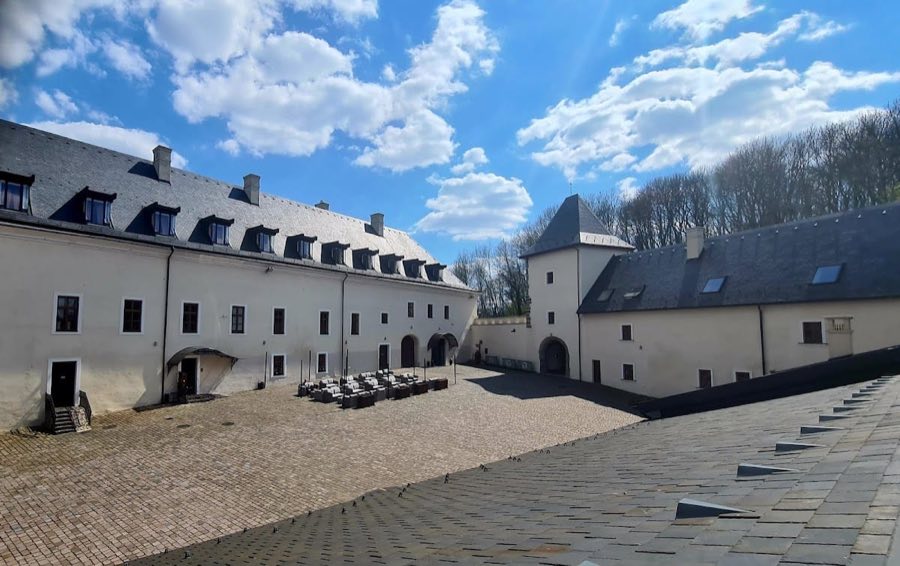
See all castles in SlovakiaCastle Vígľaš is located in the municipality of Vígľaš in present-day Slovakia. Its origins date back to the 14th century when the site was initially used as a monastery, probably under the management of the Templar order. Later, the Johannite knights, also known as the Maltese knights, assumed responsibility for the location before it was transformed into a royal hunting castle.
During the reign of King Louis I of Hungary, the former monastic site was converted into a castle to serve as a royal hunting lodge, taking advantage of the dense forests nearby. Construction and expansion continued under King Sigismund of Luxembourg, who completed the castle and granted it to his wife, Barbara Celjska. The property subsequently passed to their daughter, Queen Elizabeth, and then to Jodok, a Pomeranian knight who served as a captain under the military leader Jan Jiskra.
Through the 16th century, the castle played an important defensive role amid the Turkish wars, which spanned from 1554 to 1663. It housed a permanent garrison led by royal captains tasked with protecting the region against Ottoman incursions. The castle was significantly fortified during this period, including the addition of four corner towers and several bastions. After a failed Ottoman siege in 1577, further reinforcements were made to strengthen its defenses.
Ownership of Vígľaš shifted over time, moving into the hands of noble families such as the Csáky family starting in 1636 and the Esterházy family from 1690 onward. The Esterházys undertook extensive Baroque-style renovations in the 18th century, removing many medieval military elements but preserving parts of the Gothic chapel and some 16th-century fortifications.
In 1870, Colonel Mikuláš Kiss de Nemeskér acquired the estate, modernizing its agricultural operations, including forestry and cheese production. Ownership passed to Archduke Friedrich of Austria in 1905. Following the formation of Czechoslovakia after World War I, the castle was nationalized in 1921 and repurposed for state forestry administration and agricultural education.
The castle suffered heavy damage in 1945 during battles between Nazi German forces and advancing Soviet troops. The ensuing fire left it mostly in ruins. Partial restoration efforts began in 1980 but were left incomplete. A more thorough reconstruction started in 2009 under private ownership and concluded in 2013. Since September 2014, Castle Vígľaš has operated as a restored historic complex serving as a modern congress and luxury hotel.
The castle’s original medieval design featured a rectangular courtyard enclosed by three residential wings, with the eastern wing rising two stories high. A tower on the northwest side and a fortified wall along the southern side provided additional protection. Archaeological investigations have located the castle chapel within the complex, identified as a Gothic structure dating back to the castle’s early phase.
In the 16th century, defensive enhancements included four corner towers added around the castle and natural cliffs protecting three sides of the site. On the southern side, a moat supplemented the natural defenses. The main entrance was built into a quadrangular tower equipped with a drawbridge, emphasizing the castle’s fortified character during a turbulent era of Ottoman threats.
Following the unsuccessful Ottoman siege of 1577, further bastions were constructed, and the western outer bailey was expanded, reflecting ongoing military strategic adaptations. Despite these additions, the 18th-century remodeling by the Esterházy family transformed the fortress into a Baroque residence. During this process, much of the original medieval fortifications were removed, but the Gothic chapel and some of the 16th-century defenses on the northeast side were retained.
The castle occupies a rocky promontory overlooking the Slatina River, offering a commanding position east of the village of Vígľaš. The fire damage in 1945 and subsequent use of the ruins as a building material source led to the significant deterioration of the structure. Restoration works undertaken between 2009 and 2013 focused on rebuilding the castle’s main structure, fortifications, and bastions under guidance from heritage authorities, successfully preserving the historic fabric.
Today, the castle stands as a blend of restored medieval, Renaissance, and Baroque elements integrated with modern amenities. Apart from the visible remains of the Gothic chapel and parts of the 16th-century fortifications, much of what visitors see is the result of comprehensive 21st-century conservation and reconstruction efforts.
No. 37972
No. 53516
No. 68981
No. 62114
Comments
Comments for Castle Vígľaš will require a verified account before posting.
We'll send a verification link before your first comment is published.