No. 27653
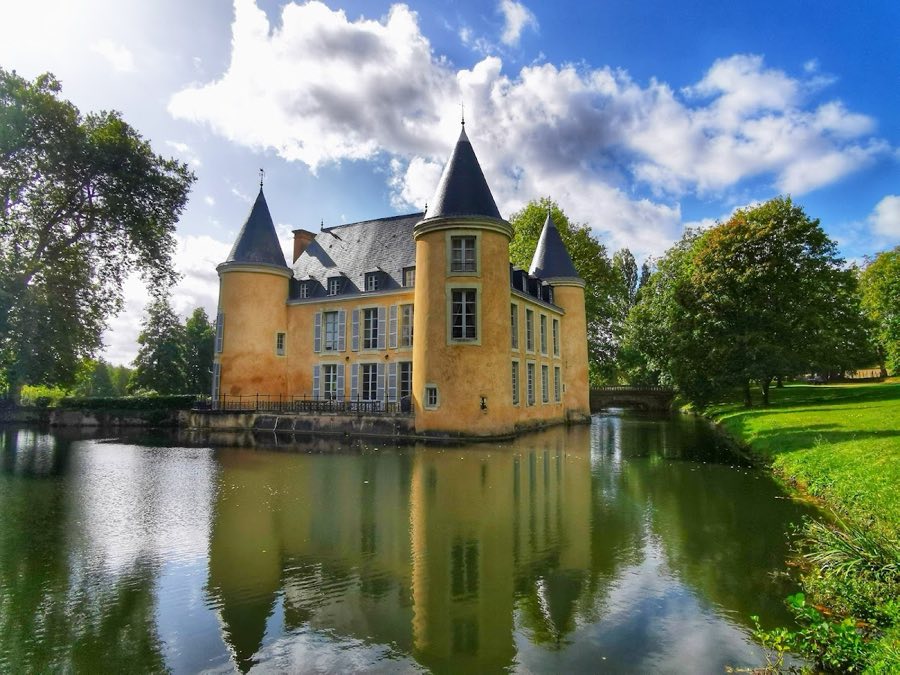
Château du Paty
France
ChâteauIntact13th century
No. 53823
Château · France
No. 53823 · 47.605 N, 0.466 E
Quick summary
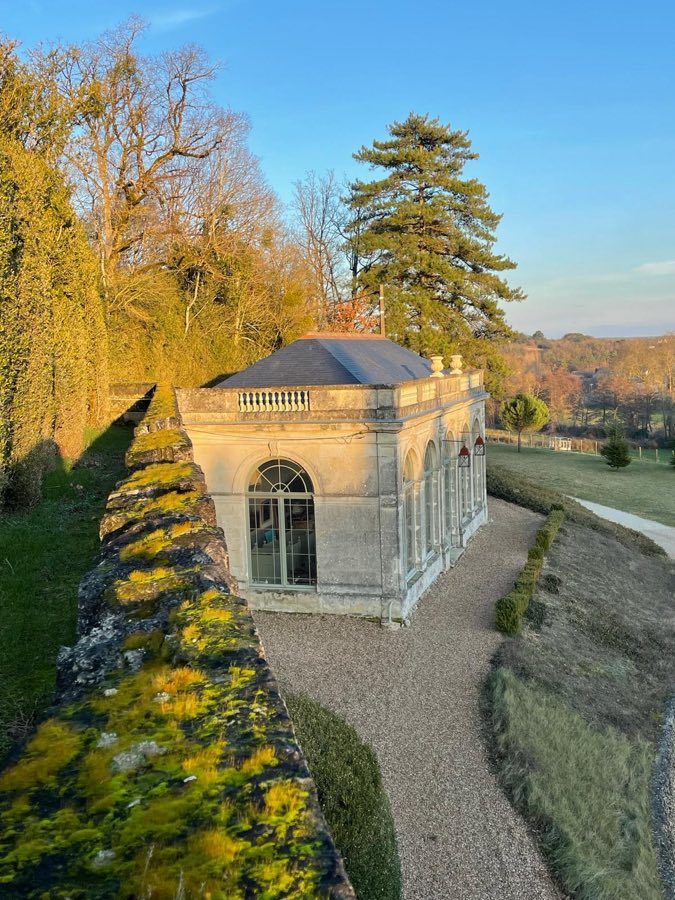
Château d'Hodebert is a château in France with origins associated with the 16th century.
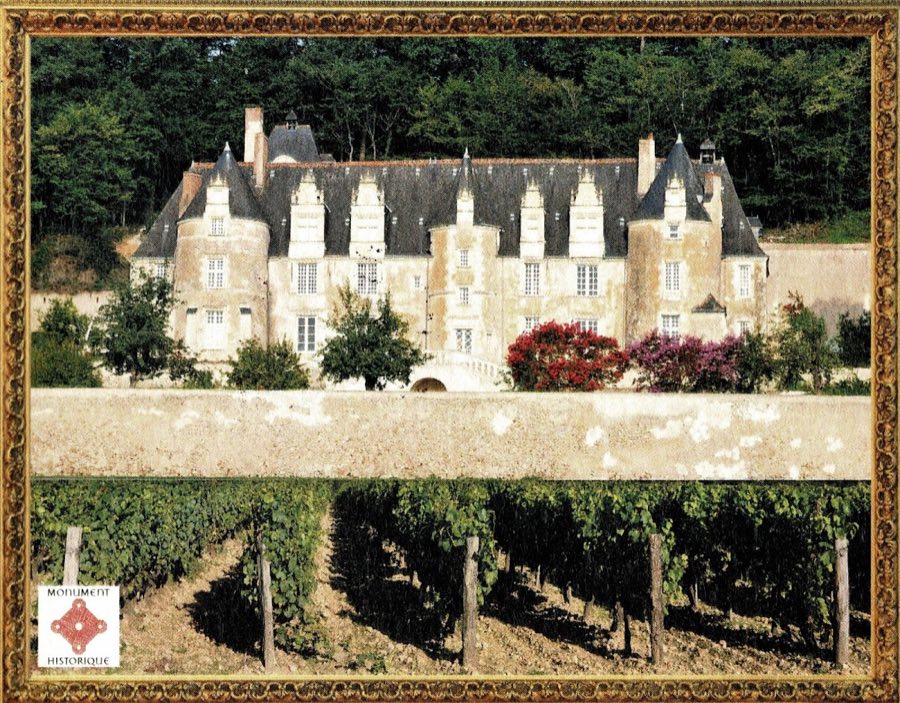
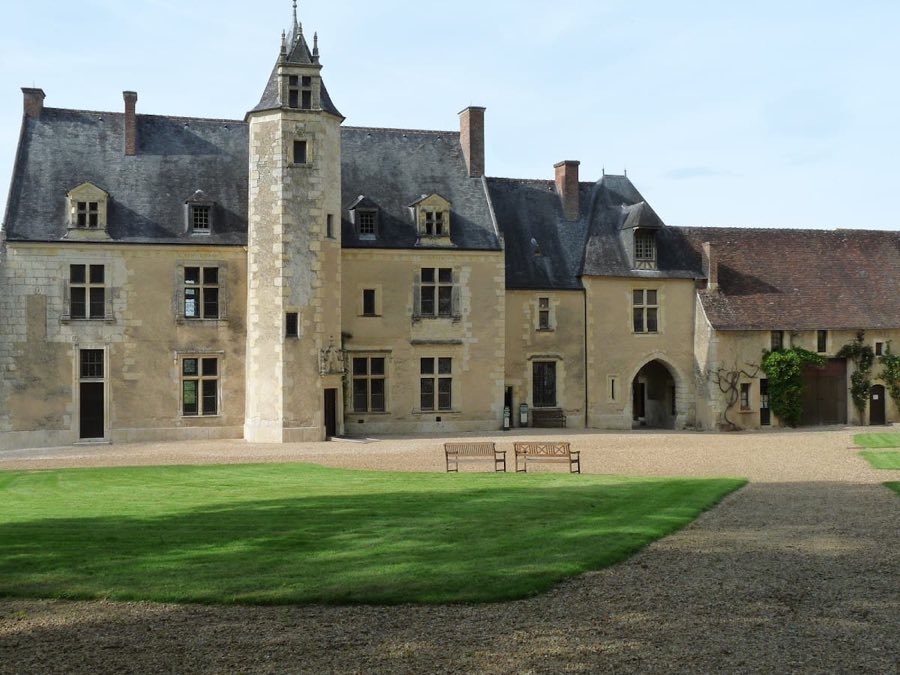
See all castles in FranceThe Château d’Hodebert is situated in the commune of Saint-Paterne-Racan in modern-day France. Its origins trace back to the 16th century when the initial construction was carried out by François Brissonnet, a royal counselor and chaplain, who built the central part of the present château upon the remains of a much older fortress embedded into a hillside.
By the mid-16th century, the estate showed connections to ecclesiastical institutions, as indicated in 1545 when the widow Durand, then acting as the lady of the castle (châtelaine), presented herself before the chapter of Saint-Martin de Tours. This points to certain religious or administrative ties of the château during this period. In the early 17th century, around 1620, the château functioned as the seat of the prévôtale justice of Oë, a form of local judicial authority. It was during this time that the poet Honorat de Bueil de Racan paid homage to his feudal lord, François Brissonnet, further highlighting the site’s feudal and cultural significance.
Ownership shifted in 1648 when Henry de Codosny, who hailed from an Italian family that had arrived during the reign of Marie de Médicis, assumed control. Alongside his wife Madeleine Dunoyer, Henry expanded the château by adding the central section and the northern pavilion, enhancing the building’s size and prominence. Following this, in 1674, the domain passed to Jean du Noyer, Henry’s nephew and lord of Gennes. The du Noyer family maintained possession until the latter part of the 18th century. During this period, Claude Dunoyer, a canon associated with Saint-Martin de Tours, undertook further enlargement and modernization efforts, updating the château to suit the styles and needs of his time.
In 1794, the château entered the hands of Alexandre-Pierre-François Goüin, a banker, and his wife Marie-Magdeleine Benoist de La Grandière. Along with the manor of Saché and several nearby estates, including former abbey woodlands, the Goüin family significantly increased their landholdings in the area. However, in 1808 they sold Château d’Hodebert to Louis-François-de-Sales de Sarcé and Charlotte Françoise Fontaine de Biré. Louis-François further expanded his properties by acquiring the former abbey of La Clarté-Dieu in 1822. Later, in 1890, Eugène de Sarcé bequeathed the château to his nephew Robert Roullet de La Bouillerie. Descendants of this family continue to own the estate today.
The château gained official recognition for its historical value when it was declared a historic monument in October 2009. Although mainly preserved, the site experienced damage in May 2018 when lightning struck the property, causing a fire that affected the dovecote, an outbuilding used historically to house pigeons. Throughout its existence, Château d’Hodebert has also served as a setting for visual storytelling, hosting film productions including the television movie “La Loi de Julien — Le Bon Fils” and portraying the Château de Nohant in the France Télévision series about young George Sand, “La Rebelle: Les Aventures de la jeune George Sand.”
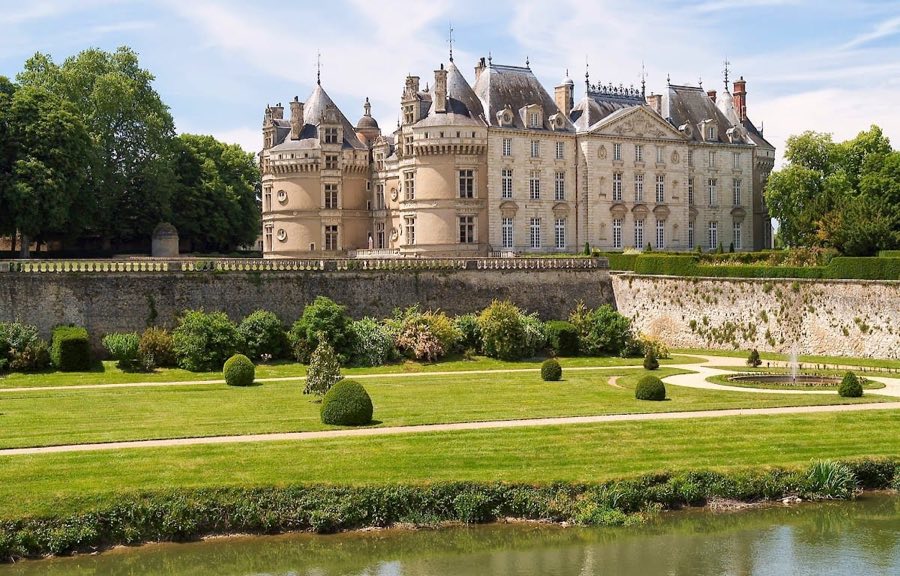
At Château d’Hodebert, the main structure stands on the foundations of an earlier fortress, which had been carved into a hillside. This layered construction reflects the site’s long history, with the 16th-century central portion raised directly over the older fortifications, integrating the defensive hillside excavation into its base.
During the 17th century, additional parts were incorporated into the estate, most notably the central segment and a pavilion on the northern side. These expansions augmented the château’s footprint and showed the evolution of its design to accommodate the tastes and needs of the Codosny family during that period.
Later modifications occurred under the direction of Claude Dunoyer, who carried out enlargements and stylistic updates. These changes brought the château into closer alignment with the architectural preferences common in his era, suggesting a blend of preservation and adaptation rather than wholesale redesign.
The grounds of the estate include several ancillary structures, among which is the dovecote, a traditional pigeon house typical of French rural estates. This structure suffered fire damage following a lightning strike in 2018, revealing both its vulnerability and its historical presence as part of the château’s agricultural and functional landscape.
Surrounding the château is a park that has itself been recognized for its heritage value, having been listed as a historic monument since 1944. This green space complements the château and reflects an extended historical environment, preserved alongside the main buildings.
Collectively, the Château d’Hodebert presents a complex of architectural elements that illustrate centuries of continuous occupation, adaptation, and reverence within the landscape of Saint-Paterne-Racan.
No. 27653
No. 74891
No. 72108
No. 73441
Comments
Comments for Château d'Hodebert will require a verified account before posting.
We'll send a verification link before your first comment is published.