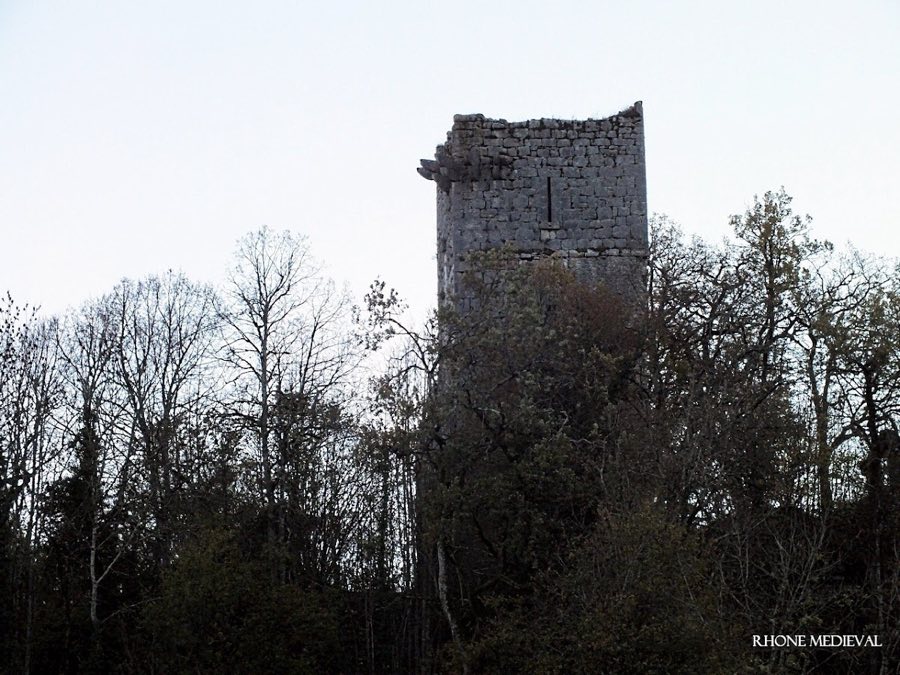
No. 56577
Château de Dorches
France
ChâteauRuin12th century
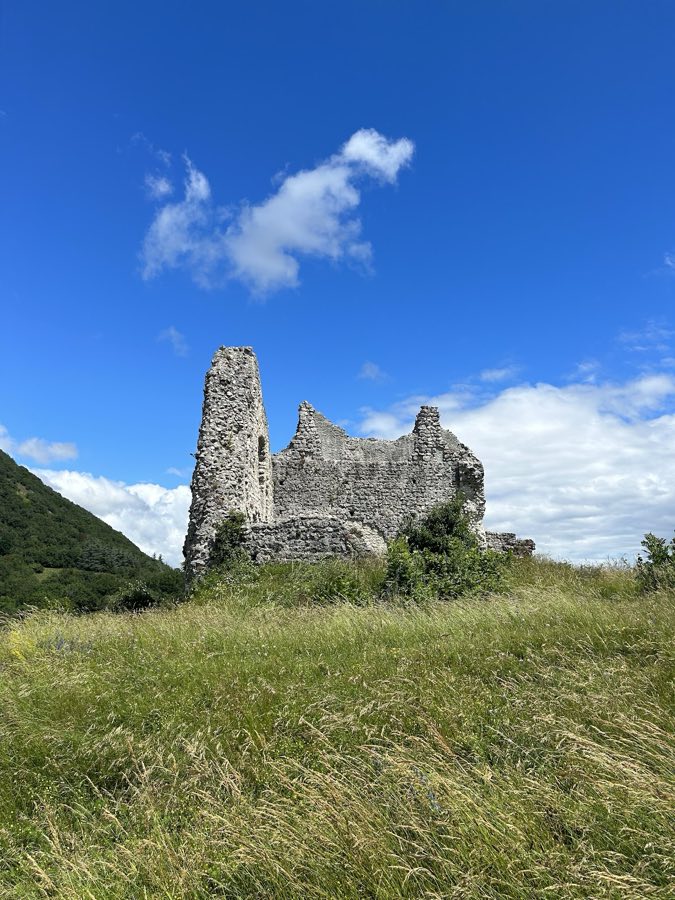
No. 16707
Château · France
No. 16707 · 46.033 N, 5.958 E
Quick summary
Château de Chaumont is a château in France with origins associated with the 17th century.
See all castles in FranceChâteau de Chaumont stands in Chaumont, France, and was erected during the medieval period by feudal lords connected to the counts of Geneva.
Origins reach into the 11th and 12th centuries when the site belonged to a fief under the counts of Geneva. A local lord named Guillaume de Chaumont, vassal of Aymon I of Geneva, is recorded in 1124. The castle itself appears in a document of 1174 under the Latin term castra and was transferred into the count’s hands sometime between about 1160 and 1178. On 25 August 1178 Guillaume I of Geneva performed homage to the abbot of Saint-Maurice d’Agaune, marking an explicit religious tie to the abbey’s rights.
Through the later Middle Ages the place served as the seat of a châtellenie, an administrative district, and a fortified village grew beneath the rock. The village received its privileges on 18 May 1310. In 1273 Pierre de Bossy did homage for holdings in the castle to Aymon II of Geneva; three years later the stronghold was transferred together with Sallenôves to Aymon de Sallenove. Agnès de Châlons is recorded as residing at the castle in 1308. From 1355 the fief came under the house of Savoy, and detailed châtellenie accounts survive beginning on 21 January 1356, recording the men who administered the district through the following centuries.
Military conflict and destruction touch the castle repeatedly. In 1536, during the first French occupation of the duchy of Savoy by King François I, troops captured and dismantled the fortress, and François I spent the night there after passing Seyssel. The fortress was later rebuilt under Duke Emmanuel-Philibert of Savoy. In 1589 and again in 1590 forces from Bern and from Geneva attacked the place while the seigneur de Thiollaz defended it. In 1630 royal troops of Louis XIII razed the castle completely. By 1681 the buildings were described as ruins when Marc-Louis Deschamps had the lands raised to a marquisate, and in 1774 Joseph-Nicolas de La Grange purchased Chaumont and took the title of marquis. Administrators of the châtellenie continue to be recorded into the mid-17th century.
The castle’s position on a rocky promontory at 636 metres altitude controlled the passage known as Malpas and the medieval road between Geneva and Seyssel, which followed a secondary route originally laid out in Roman times.
The ruins sit on a rocky spur and form a stepped defensive plan with two, possibly three, enclosed courts. The lower enclosure, or first court, covers more than 5,000 square metres and a higher inner court occupies roughly 2,500 square metres. The buildings and walls were hewn into the rock and arranged to use the promontory’s natural height for defence and oversight.
Access from the village was provided by a path cut into the stone that runs along the exterior wall for about twenty metres before reaching the lower gate. A second rock-cut path crosses the first enclosure and leads to a gate pierced in the second enclosure on the north side of the raised earthwork. These approaches are visible in the ruin pattern and reflect deliberate, rock-carved circulation from the settlement below to the protected courts.
Within the upper enclosure a rectangular defensive tower stood in the southern corner, while the eastern corner was probably strengthened by a round tower added in the 13th century. At the northern angle a Romanesque square keep measuring eleven by nine metres rises from the highest point of the rock. Built of small, regularly cut stones typical of 11th–12th century Romanesque masonry, the keep projects over the slope above the village and had a residential block attached to its side. Across the courtyard a large residential range rested on the curtain wall, forming the principal living quarters for the site’s lords.
Excavations have revealed how the castle managed water, showing pine timber pipes brought water into the fortifications. Archaeological digging has identified these conduits and other structural traces in situ. Today the site stands as ruins, with the main square keep undergoing restoration work completed in 2009, while other walls and building traces remain as fragmentary stone vestiges on the promontory.
No. 56577
No. 60748
No. 22467
No. 86342
Comments
Comments for Château de Chaumont will require a verified account before posting.
We'll send a verification link before your first comment is published.