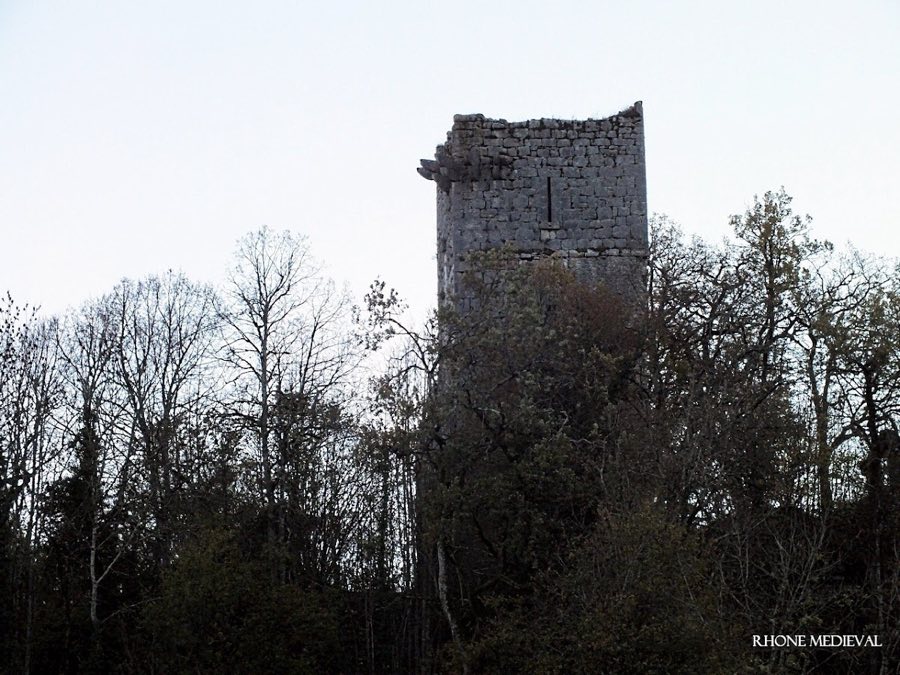
No. 56577
Château de Dorches
France
ChâteauRuin12th century
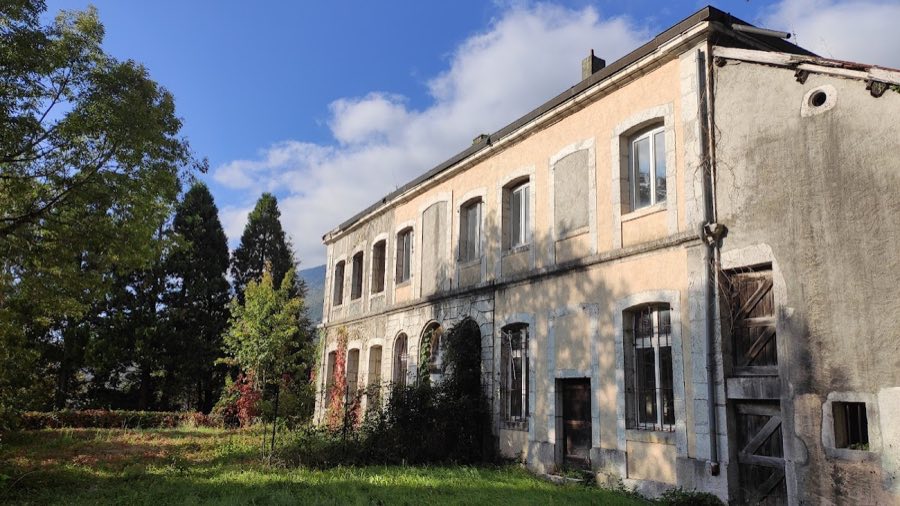
No. 60748
No. 60748 · 45.913 N, 5.813 E
Quick summary
Château d'Anglefort is a château in France with origins associated with the 20th century.
See all castles in FranceThe Château d’Anglefort stands in the commune of Anglefort, France.
A fortified seat occupied the site in medieval times and formed the centre of the seigneury of Anglefort. Over time this stronghold governed local affairs and controlled the former road running between Seyssel and Belley. The medieval structure persisted in various forms into the early modern period, with a few portions of the older castle surviving alongside later work.
On 18 October 1571 Duke Emmanuel-Philibert of Savoy granted the village and seigneury of Anglefort, then held with the noble house of Bossin, to Claude Gaspard de Maillans. This grant was entered in the Chamber of Accounts of Savoy on 10 November 1571, which identifies Claude Gaspard de Maillans as the first seigneur of Anglefort. The fief remained in the hands of the de Maillans family for the next century and a half; Ignace de Maillans is recorded as seigneur around 1650.
In 1715 Joseph de Maillans sold the property to Pierre-Joseph de la Porte. Pierre-Joseph de la Porte undertook a substantial rebuilding and around 1741 produced the château that largely defines the site’s present appearance. His son later presented the denombrement of the property to the king in 1770. In the 20th century the site received formal protection when a decree of 1 August 1974 granted legal conservation status to part of the building, specifically the interior stair and its enclosing cage.
The ensemble visible today combines an 18th-century residence and remnants of an earlier medieval castle. The later house, raised about 1741 by Pierre-Joseph de la Porte, occupies the principal position on the site and reflects the phase of rebuilding that replaced or incorporated earlier walls and arrangements. This construction marked a clear renewal of the seigneurial complex while retaining some connection to older fabric.
A distinctive surviving element is the interior stair and the cage that surrounds it. This stair, enclosed within its original vertical enclosure, survives in situ and received formal protective status by decree on 1 August 1974. The protected designation applies to this internal feature alone, which remains an identifiable component of the 18th-century layout.
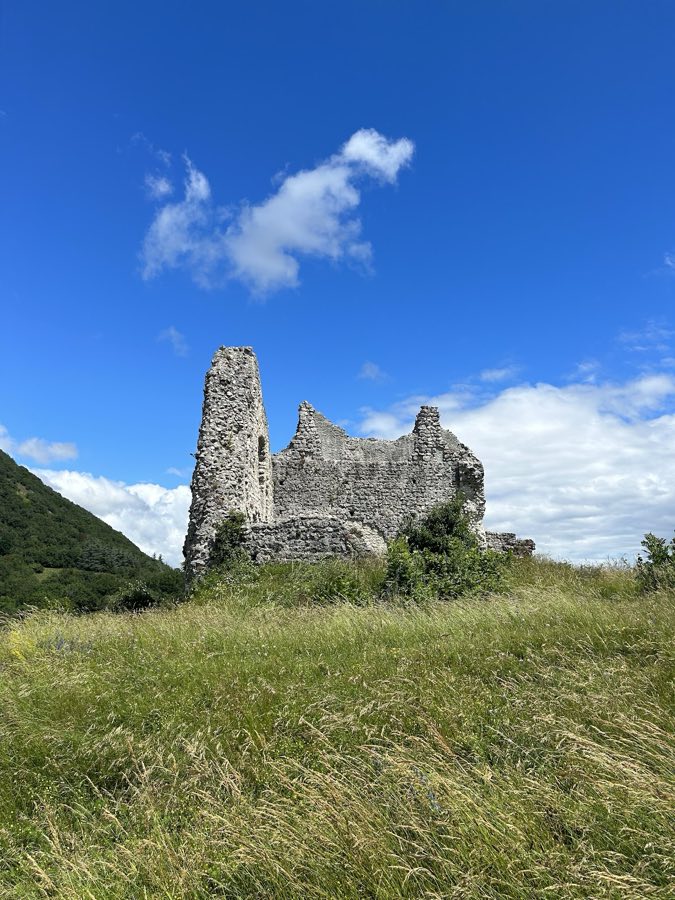
Fragments of the older castle also survive within the overall composition. The record describes a few parts of the ancient structure as still present, showing how older masonry coexists with the later rebuilding. The château’s historic position gave it control over the road from Seyssel to Belley, a fact that ties the standing remains to the site’s long role in local movement and administration.
No. 56577
No. 16707
No. 37753
No. 18778
Comments
Comments for Château d'Anglefort will require a verified account before posting.
We'll send a verification link before your first comment is published.