No. 40648
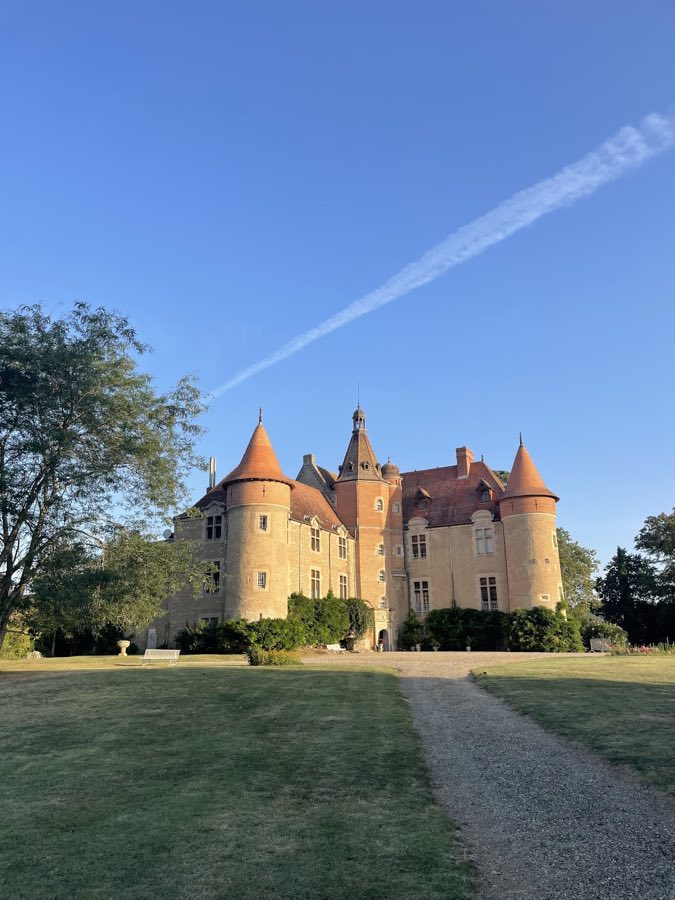
Château de la Serre
France
ChâteauRestored16th century
No. 38715
Château · France
No. 38715 · 43.702 N, 1.905 E
For rent
Château de Fiac is marked for bookable castle accommodation. Nightly pricing, sleeps count, stay rules, and amenities are displayed only when public operator data is available.
Rental type: Hotel / bookable stay, Short-stay rental
Short-term availability: Bookable accommodation signal
Quick summary
Château de Fiac is a château in France with origins associated with the 12th century.
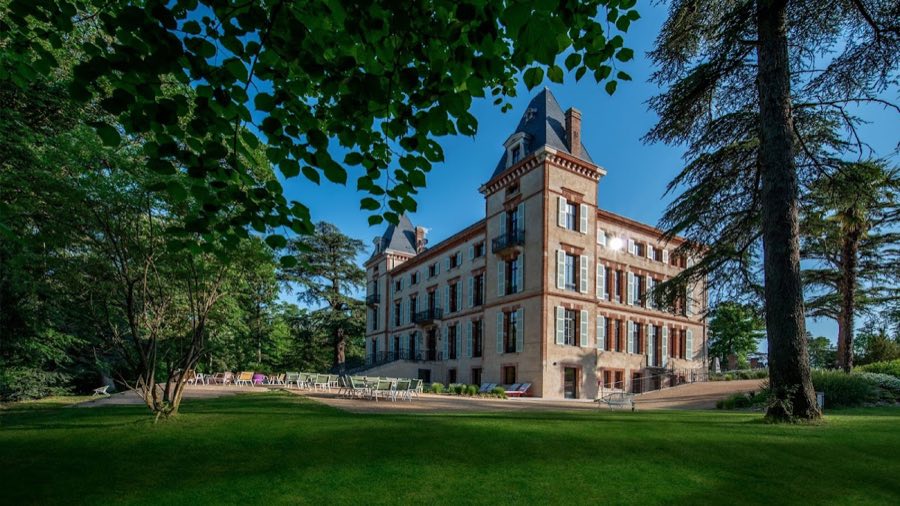
See all castles in FranceThe château de Fiac in Fiac, France is a site whose origins lie in the medieval period, first established in the 12th century by local feudal authorities as a fortified castle on a raised earthwork. The location later became associated with a 19th-century country house often called the Château de Chaminade. The place mattered locally as the administrative center of the castellany of Fiac and figured in the shifting lordships of southern France during the high and late Middle Ages.
The earliest stronghold stood on a motte (earthen mound) at a place known as la ville, the spot now occupied by the town’s water-tower square. That castle served as the seat of the châtellenie, the local castellan’s jurisdiction. In 1208 the castellany came under the control of Simon de Montfort, gained through his role in the Albigensian Crusade, the campaign aimed at suppressing the Cathar movement in Languedoc. After Simon, the lordship passed through his family line to Philippe I de Montfort, then to his son Philippe II and to Philippe II’s son Jean.
In 1315 the castellany transferred by inheritance to Guy de Comminges, son of Bernard VII de Comminges and Laure de Montfort. Sometime after that change in ownership the castellany was attached to the royal domain of France. The medieval castle itself was destroyed at the start of the seventeenth century.
A new residence took shape in the nineteenth century, reportedly built upon the remains of a seventeenth- and eighteenth-century house. That nineteenth-century château was commissioned by the de Rivals family and erected a short distance from the original motte, outside the village. The de Rivals later sold the property and moved to a house across the road. Ownership then passed through several hands before the Marianist congregation acquired the estate and established the Chaminade institute, which served first as a private college and later as a retirement home. In 2010 a private owner bought the property and began a conversion aimed at luxury apartments. The building has since been renovated and now operates as a high-end hotel that was due to open in July 2021.
The present ensemble centers on a nineteenth-century country house set within nearly five hectares of grounds. The main block is laid out on a rectangular plan, aligned roughly west to east, and rises two principal storeys above a basement with an additional floor beneath the roof. The roof is hipped roof (sloping on all sides) and gives the house a compact, regular silhouette. The nineteenth-century fabric was reportedly built on earlier seventeenth- and eighteenth-century foundations.
The principal, south-facing elevation is arranged in five vertical divisions or bays, with the central bay emphasized by a large exterior stair (grand perron) that leads to a first-floor balcony. That south front is set between two slightly projecting square towers and is topped by an attic storey. Exterior finishes include a white rendered surface highlighted by brick trimming around the openings and horizontal brick banding that marks the elevations. These materials and decorative touches give the house its contrasting light-and-warmth appearance.
Within the estate there is a subterranean passage (souterrain), which has been recently cleared. The nineteenth-century house stands a short distance from the location of the medieval motte at la ville, the historic spot identified with the original twelfth-century castle and later castellany. The nineteenth-century building has been restored and adapted for its recent residential and hotel uses, while the cleared underground passage remains a notable element of the property.
No. 40648
No. 56319
No. 23475

No. 56366
Comments
Comments for Château de Fiac will require a verified account before posting.
We'll send a verification link before your first comment is published.