No. 94313
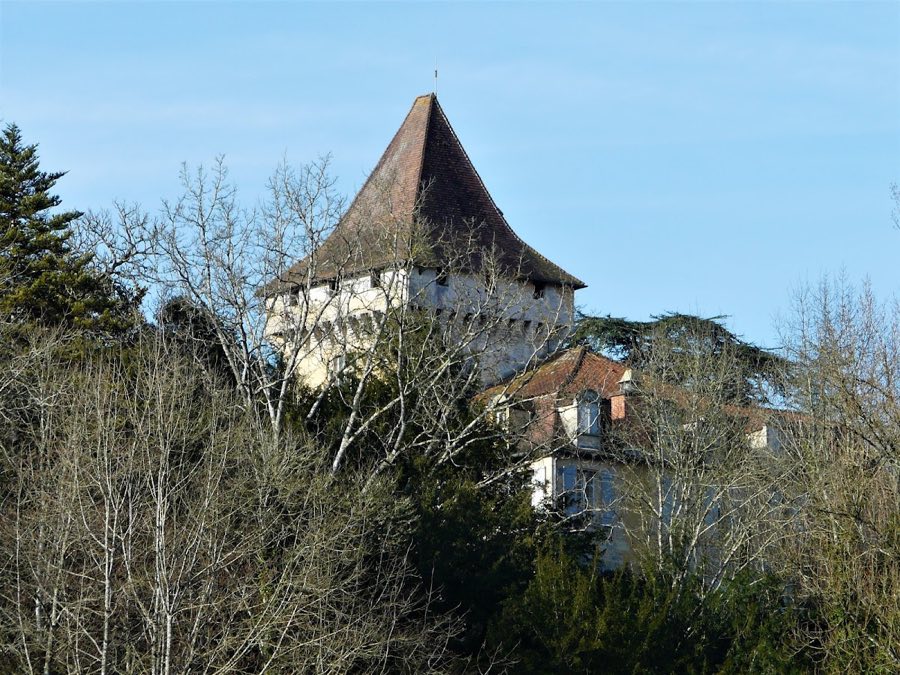
Château de Bayac
France
ChâteauIntactFor events14th century
No. 12504
No. 12504 · 44.855 N, 0.778 E
Quick summary
Château de la Rue is a château in France with origins associated with the 20th century.
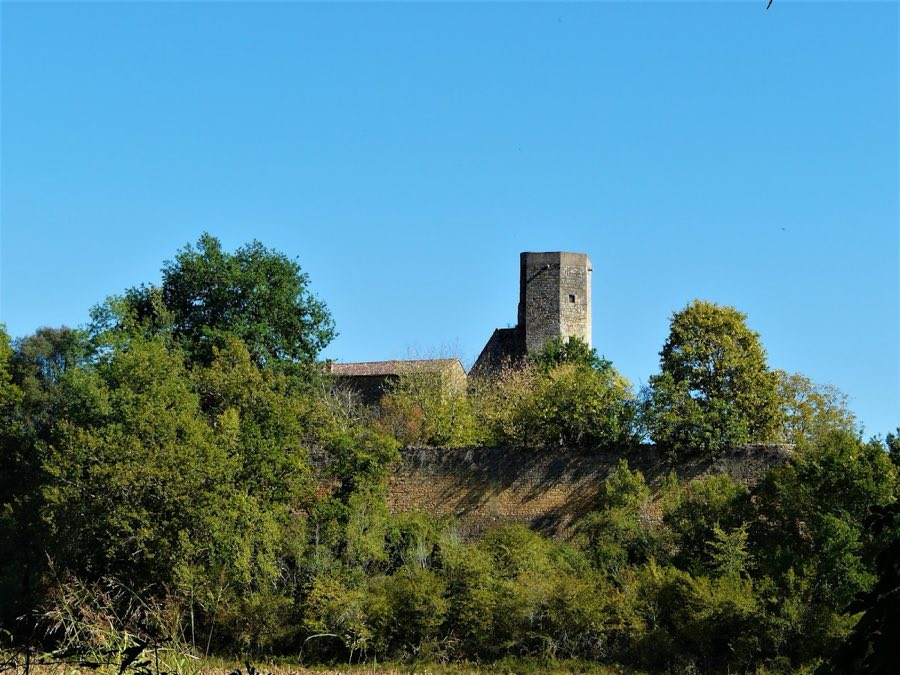
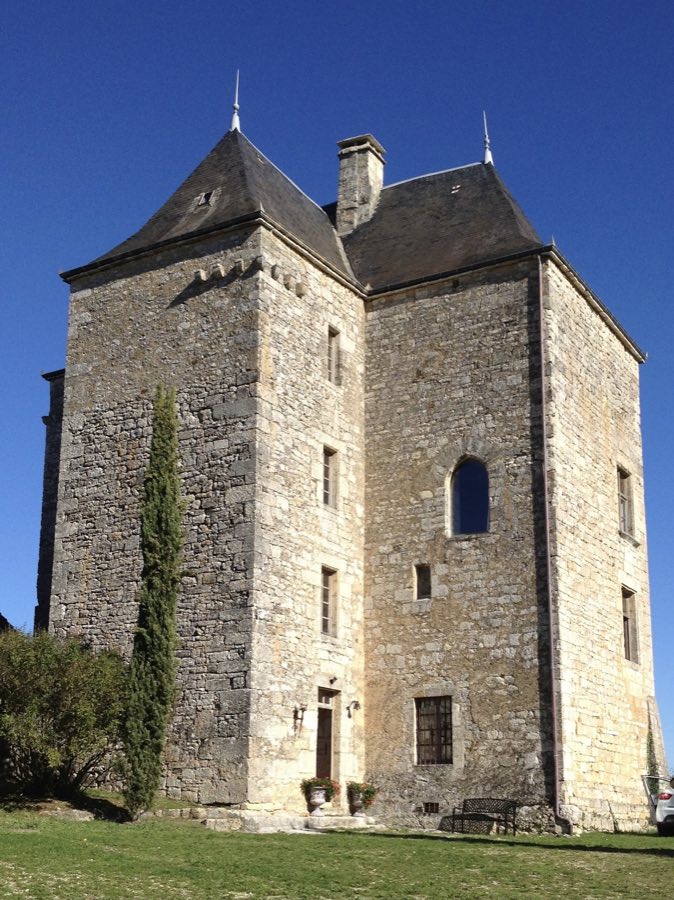
See all castles in FranceThe Château de la Rue, in Lalinde, France, was built in the medieval period by the region’s Christian feudal authorities.
The oldest fabric of the site dates from the 1200s, when the estate belonged to the archbishops of Bordeaux. During this medieval phase the site functioned as an ecclesiastical holding within the local feudal landscape.
The complex suffered damage on several occasions, including during the fighting of the Hundred Years’ War. Work in the 1500s undertook a full rebuilding of the château, and the restoration phase included the construction of a six-sided tower that formed part of the renewed ensemble.
Ownership changed repeatedly over the centuries after the thirteenth century. Across the next five hundred years the property passed in succession to the families d’Abzac, d’Escodeca, d’Aubusson, the Gouffier de Gonor line, and the de Lostanges family.
The name La Rue reflects the château’s situation beside an old road that crossed the village; the building stands just north of the hamlet of Drayaux within the commune of Lalinde. In the twentieth century the site remained privately owned and was listed as a historic monument on 12 October 1948.
The château occupies an artificial feudal motte, a raised earthwork created to support the defensive complex. The enclosing works form a roughly four-sided curtain whose corners align with the cardinal points, a layout that defines the compound’s plan and organization.
The curtain walls rise to greater height on the south-east and south-west sides, where they still preserve traces of projecting defensive openings used to drop materials on attackers. These vestiges of machicolations remain visible in the masonry, indicating where the fortification once delivered vertical defence.
The principal approach lay to the north-east, where a fortified outwork protected the gate. That outer defense was preceded by a drawbridge spanning a surrounding moat, the bridge providing the controlled means of entry to the castle interior.
Domestic and service buildings cluster around the north angle of the ramparts. At the southern extremity of that group stands the six-sided tower added during the sixteenth-century rebuilding; the tower is pierced by a spiral stair that runs through its core, a feature preserved in situ.
No. 94313
No. 63580
No. 12983
No. 66963
Comments
Comments for Château de la Rue will require a verified account before posting.
We'll send a verification link before your first comment is published.