No. 94313
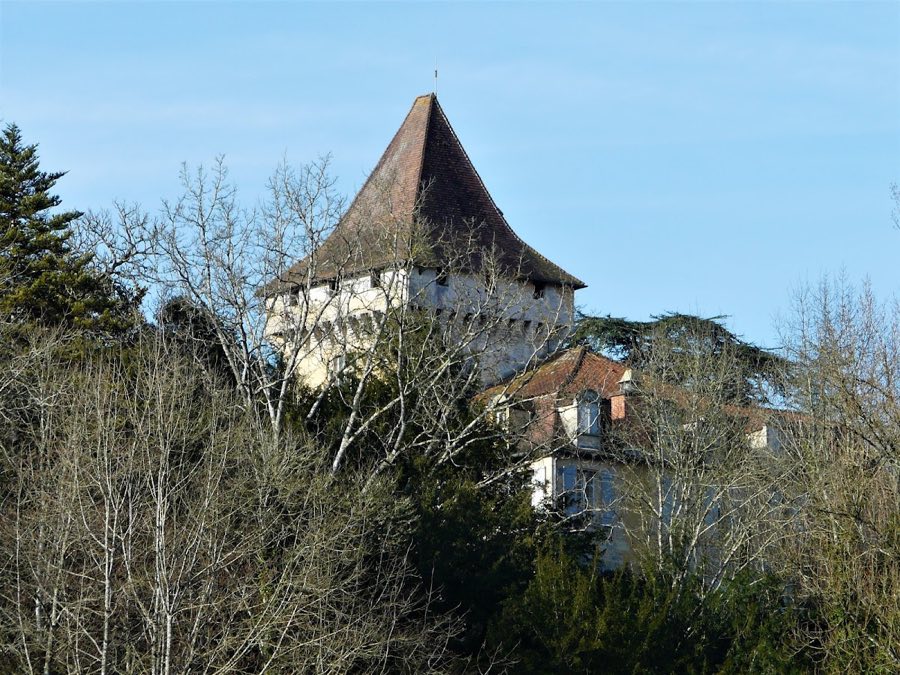
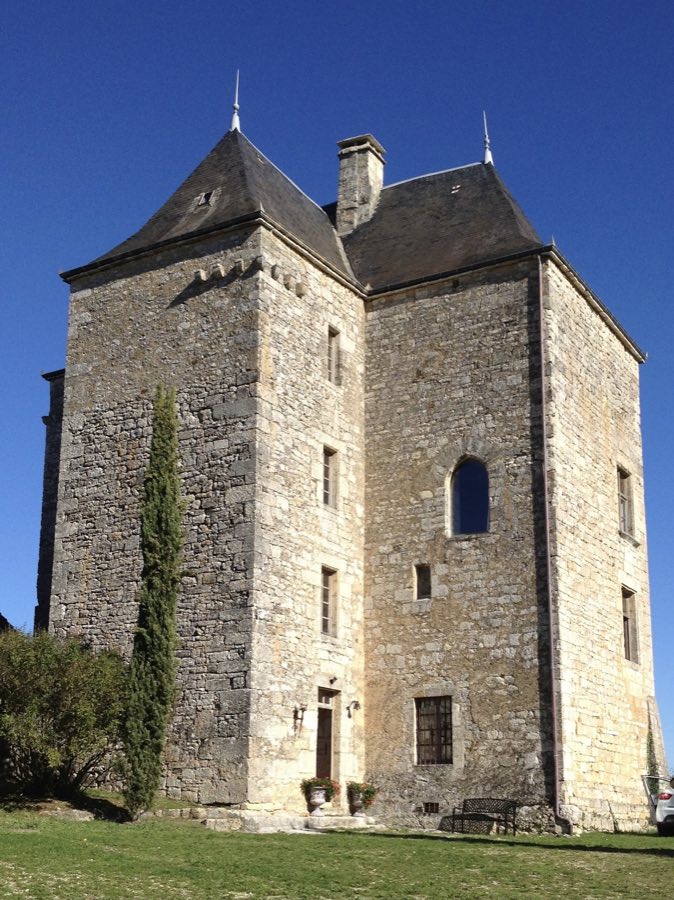
Château de Bayac
France
ChâteauIntactFor events14th century
No. 12983
Château · France
No. 12983 · 44.661 N, 0.863 E
Quick summary
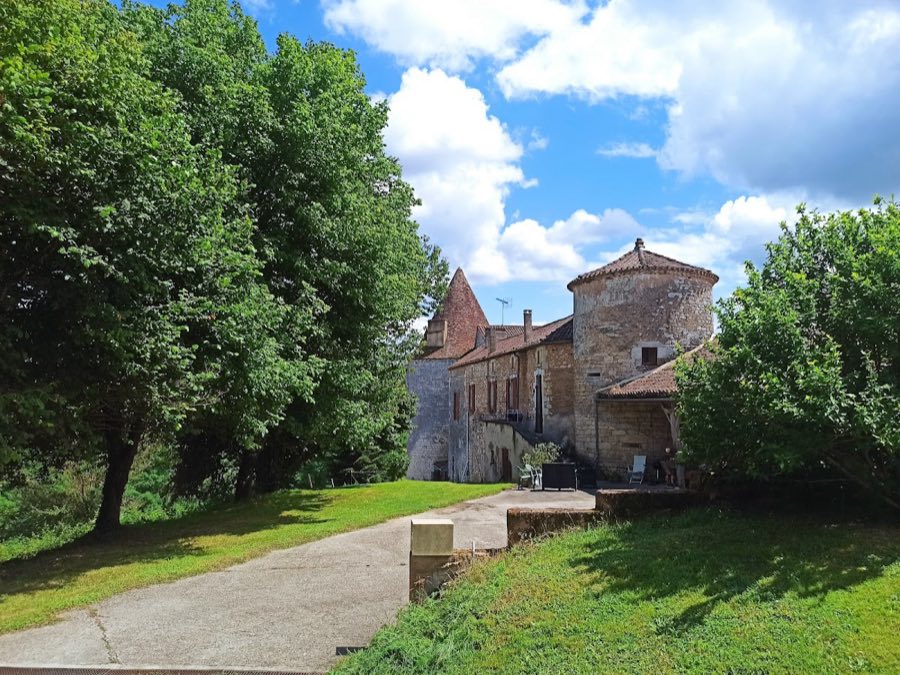
Château Saint-Germain (Gaugeac) is a château in France with origins associated with the 12th century.
See all castles in FranceChâteau Saint-Germain stands in Gaugeac, France, and was raised by the region’s medieval feudal lords.
A parish dedicated to Saint Germain gave the place its name, and the site served as a forward fort for the château de Biron, charged with monitoring movement along the Dropt valley. A lord of Saint-Germain is recorded joining Guillaume de Biron on a crusade noted in the text as taking place in 1124 and departing from the abbey of Cadouin. In the reign of Saint Louis the lord of Saint-Germain held the distinction of being the oldest vassal of the lord of Biron. Local custom attached a formal privilege to the lord of Saint-Germain: at the lady of Biron’s first entrance into Biron’s courtyard he was to hold her bridle, kneel unarmed to present his homage, and he received as keepsakes the horse, harness, and the dress she wore that day.
Violence touched the family in 1310 when Hugues de Saint Germain killed his sister with a dagger, then met Aimeric de Biron in combat at Molières before the English seneschal. Hugues was defeated and slain, his goods seized for the duke of Guyenne, and Aimeric received reimbursement for his expenses from the seneschal as recorded in the surviving account.
During the Wars of Religion the castle housed garrisons that shifted between Catholic and Protestant control according to the progress of military operations, reflecting the conflict’s local ebb and flow. In the 1600s the lord of Biron is recorded to have used cannon to remove the upper parts of the two original round towers, an alteration that changed the castle’s silhouette. Later, successive owners added various buildings to the principal living wing at different dates.
Archives that might have preserved the site’s earlier documentary history were deliberately burned during the Revolution. In one of the towers built after the medieval phase a chapel was established; that tower later saw the marriage of the son of the philosopher Maine de Biran in the early twentieth century. The property received formal heritage protection in 1984, being both inscribed and classified as a historic monument, and on 28 December 1984 three chimneys on the first floor were specially classified. The estate has also served as a film location, including a sequence shot for La Fille de d’Artagnan that featured Philippe Noiret and Sophie Marceau. The castle celebrated its nine-hundredth anniversary in 2024.
The site presents a compact defensive complex focused on a valley-facing residential wing flanked by towers. That principal living block turns toward the Dropt valley and is anchored by two round towers set at its ends; one of these towers is considerably larger and underlines the castle’s role in controlling the approach along the valley.
The larger defensive tower preserves a watch position that remains in place and a main cannon embrasure that commands the junction where the path from Bonneville met the principal road between Monpazier and Villeréal. The open firing slot shows the tower’s function in overseeing and covering that route. The two original round towers were later reduced in height during the seventeenth century by action attributed to the lord of Biron, who employed artillery to remove their upper portions; the truncated forms testify to that campaign of alteration.
On the side facing the valley, large openings were cut into the first floor to bring daylight into the main rooms, a modification made for domestic comfort. The floor above still contains large, monumental chimneys and mullioned windows with their stone divisions preserved, both of which survive in situ and convey the character of the principal living chamber. The door and a window of a hexagonal tower, together with the spiral staircase within, remain in their original condition and illustrate the vertical circulation of the medieval plan.
Two additional towers were added after the original medieval phase. One of these later towers was fitted with a chapel, which in the early twentieth century hosted the marriage of Maine de Biran’s son. The watch position, the second-floor chimneys, and the mullioned windows survive in good condition, and three chimneys on the first floor received official protective classification on 28 December 1984.
No. 94313
No. 12504
No. 63580
No. 66963
Comments
Comments for Château Saint-Germain (Gaugeac) will require a verified account before posting.
We'll send a verification link before your first comment is published.