
No. 56366
Castle of Miraval
France
CastleIntact12th century
No. 67166
Château · France
No. 67166 · 43.506 N, 2.416 E
For rent
Château de Montlédier is marked for bookable castle accommodation. Nightly pricing, sleeps count, stay rules, and amenities are displayed only when public operator data is available.
Rental type: Hotel / bookable stay, Short-stay rental
Short-term availability: Bookable accommodation signal
Quick summary
Château de Montlédier is a château in France with origins associated with the 10th century.
See all castles in FranceChâteau de Montlédier stands in Pont-de-Larn, France, and was established by the medieval de Villette family.
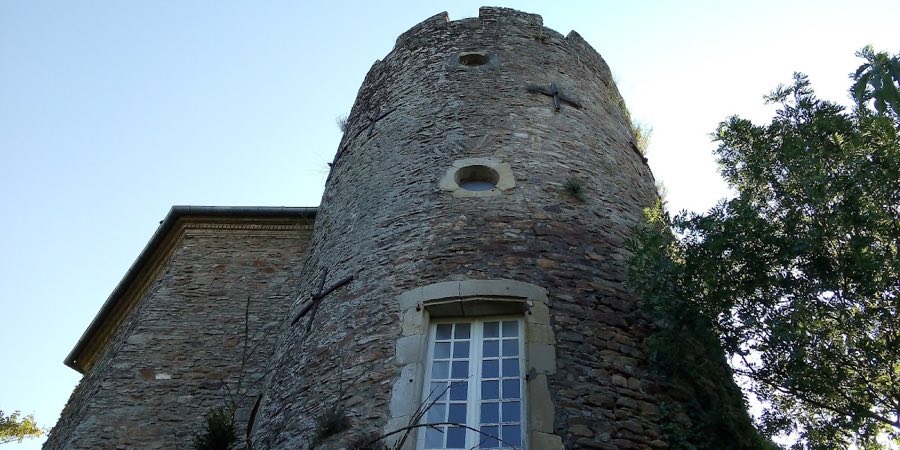
The fortress originated in the early medieval period, with construction attributed to the de Villette lineage in the 10th century and the site first recorded in the 12th century under the ownership of a Simon de Laurac. From its position above the Arn river gorge the castle controlled access to the Mazamet region, serving a clear defensive and territorial role in the local landscape.
During the 1200s the stronghold was reinforced with substantial work, including the erection of a large square keep dating from the 13th century. In the 1500s several members of the de Villette household embraced Protestantism and became active with the Huguenot movement; in 1562 the Catholic bishop Claude d’Oraison of Castres is recorded as having been held prisoner at the château.
Ownership in the early modern period is recorded in two different ways. One account records a transfer of the domain to the de Monglas family from 1722 before it passed to the Dulac de la Clauze family. An alternative narrative states that the estate passed to the Dulac de la Clauze household following the 1697 marriage of Elisabeth de Villette to Melchior Dulac. The property then passed through members of the Dulac family, noted successively as belonging to Joseph and then Melchior Dulac. Emmanuel Dulac, identified as a knight of the Order of Malta, died at the château on 16 November 1821.
The fabric of the castle was substantially rebuilt in the 18th century, and a private chapel within the estate received episcopal authorization and was consecrated on 15 July 1757. In the later 19th century the Dulac owners disposed of the property: one report records a sale in 1885 to the industrial Cormouls-Oulès family of Mazamet, while another record states that the last marquis du Lac sold the estate in 1873 to Jules Cormouls-Houlès of Mazamet. In 1962 Francis Sidobre purchased the château and transformed it into a small luxury hotel, during which period guests included performers Serge Lama, Dalida, actor Jean Marais, and the ambassadors of Australia and New Zealand. After a subsequent sale in 1987 the property lapsed into disuse until it was repurchased at the end of 2020.
The complex occupies a dominant rocky outcrop above the Arn and presents as a large stone ensemble formed of two U-shaped living ranges set side by side. The southern range stands above the river gorge and includes two massive defensive towers from the 13th century, one built with a circular plan and the other with a square plan. The square tower is notable for having no external openings, and the whole exterior shows relatively few apertures, reflecting the site’s defensive priorities.
Defensive battlements crown portions of the walls and are described as sometimes striking in scale. Principal halls were intentionally placed on the upper storeys to improve defensive capability, while a ground-floor guard room provided immediate security and access control. Several vaulted rooms survive within the fabric, organized around two large courtyards that structure movement through the complex.
The private chapel inside the château still exists though it is no longer in regular use; this chapel was formally consecrated on 15 July 1757 under episcopal permission. Much of the present appearance dates from extensive rebuilding in the 18th century, which reshaped living spaces while retaining older defensive elements. Overall the site retains an imposing mass of stonework, with the medieval towers, vaulted interiors and courtyards remaining in situ, though the buildings show the cumulative effects of their long history and later reuse.
No. 56366
No. 87906
No. 56319
No. 40648
Comments
Comments for Château de Montlédier will require a verified account before posting.
We'll send a verification link before your first comment is published.