No. 66530
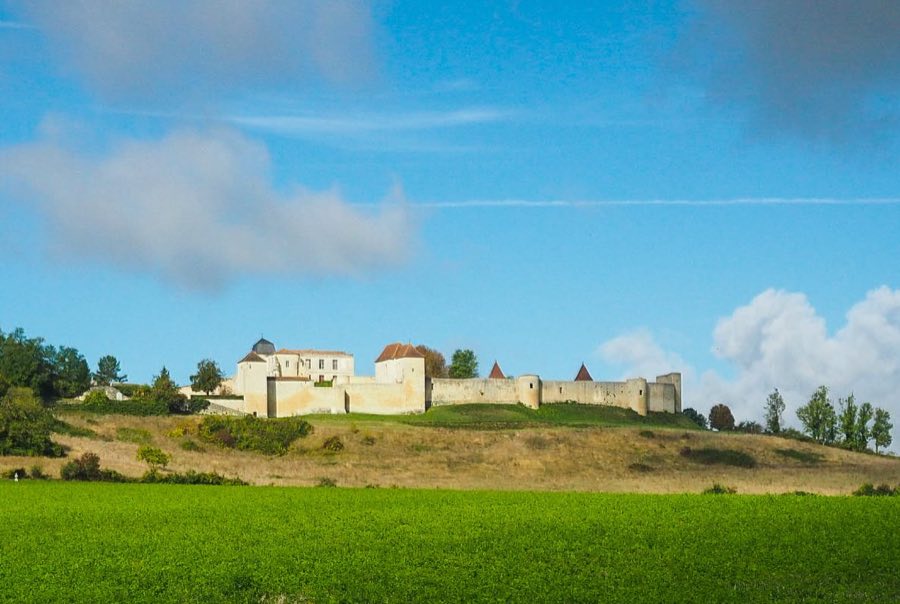
Château de Villebois-Lavalette
France
ChâteauRestored8th century

No. 29355
No. 29355 · 45.541 N, 0.366 E
Quick summary
Château du Repaire is a château in France with origins associated with the 13th century.
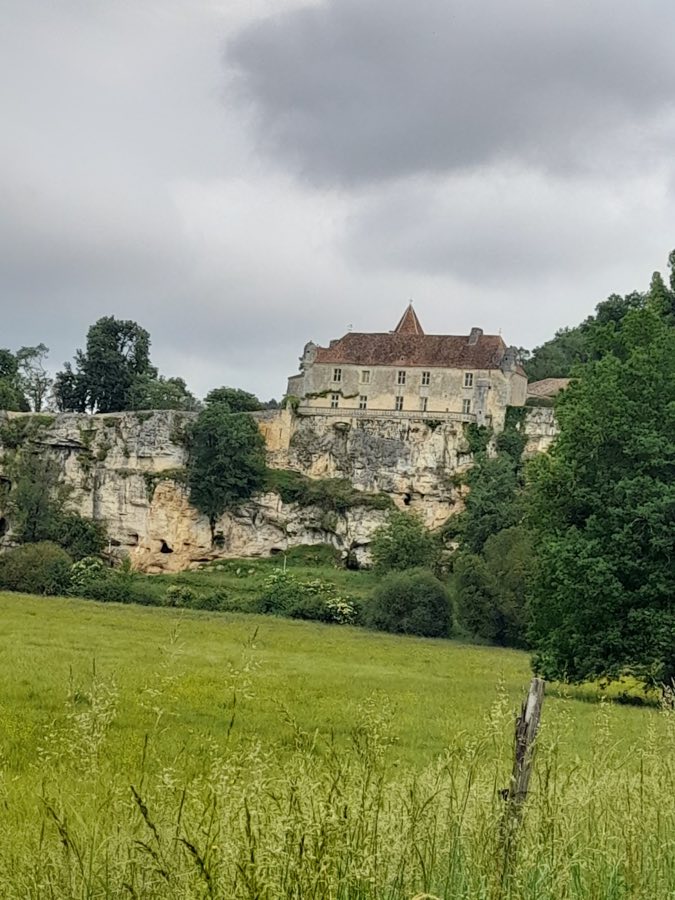
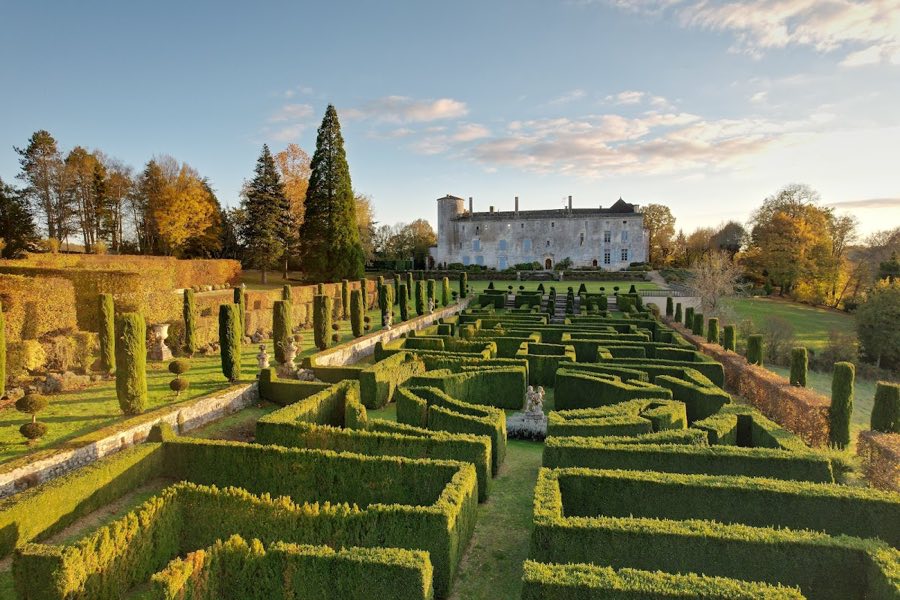
See all castles in FranceChâteau du Repaire stands in Le Repaire, Rougnac, France; it was built by medieval feudal lords of France. Construction began in the twelfth century on the site of an earlier, more primitive stronghold. Documentary evidence records Hélie Arnaud as the owner in 1238, and ownership is attested back to the reign of King Louis IX in the thirteenth century.
By the mid-fifteenth century the estate belonged to Jean de Birac, recorded in 1454. Over the following centuries control passed through marriage and inheritance to families named Raymond, Ranconnet, and Galard de Béarn. The Galard de Béarn became known as lords of the Repaire and established a branch called Galard du Repaire that remained until the French Revolution. Architectural elements dated to the sixteenth century carry the coats of arms of Raymond, Ranconnet and Galard de Béarn, linking these families to building activity in that period.
The château and its lands changed in size and fortune over time. At one point the estate exceeded one thousand hectares; by a later stage its holdings had been reduced to about 160 hectares. By the time of the Revolution the main residence was already reported in poor condition. After the Revolution ownership passed by inheritance to the Vassoigne family, cousins of the Galard, and later through marriage to the Roffignac family, who held the property at the beginning of the twentieth century. During the Second World War, because the château stood close to the line of demarcation, it was used as the seat of the Kommandantur. On 14 April 1997 several principal parts of the site, including the entrance gatehouse, the western wing of the service buildings, the main residence, the terrace and a tower, were officially inscribed as a protected historic monument.
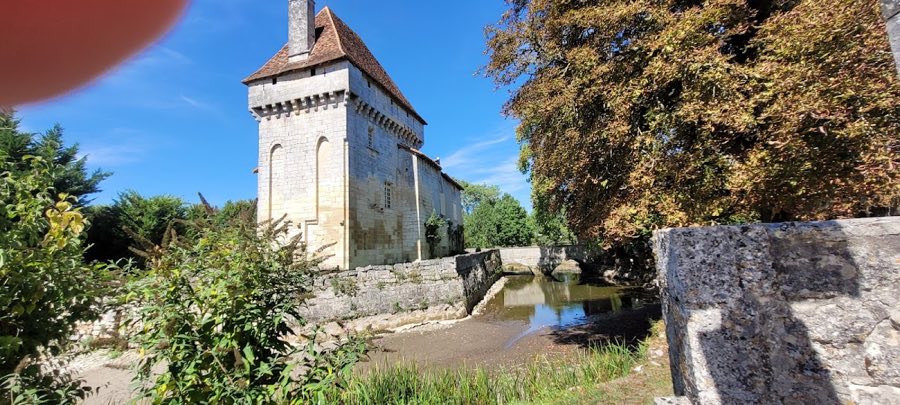
The site occupies a valley beside the Manore and sits at the edge of a pond held back by a dam. A fixed bridge carries access across the water to the entrance terrace. The entrance itself is a fortified gatehouse dating from the fifteenth century, reached by that bridge and set on a terrace which is framed along one side by arcades built in the seventeenth century.
A number of defensive towers mark the ensemble. One is a large round tower fitted with crenellations and machicolations, the latter being openings in the parapet designed to allow defenders to drop or project material on attackers below. A separate stair tower provides vertical circulation. A tower from the sixteenth century bears a carved lintel decorated with the three heraldic shields of Raymond, Ranconnet and Galard de Béarn, showing the presence and influence of these families in that period.
The principal residence combines medieval and later work. Parts of the living quarters date to the fifteenth century and were altered in the eighteenth century. The house contains a substantial vaulted cellar, and interior finishes that have survived include original tomettes floor tiles, small terracotta tiles characteristic of the period, together with ceilings from the same historical phases. A small watch turret projects over the surrounding moats, providing a vantage point over the defensive waterworks.
Several elements of the complex remain on the site in situ and have been recognized for their historical value. The entrance gatehouse, the west wing of the ancillary buildings, the main residence, the terrace and the tower were listed on 14 April 1997 as protected components of the monument, and the documented vaulting, floor tiles, heraldic lintel and defensive towers continue to testify to the castle’s long sequence of construction and reuse.
No. 66530
No. 91005
No. 55295
No. 73679
Comments
Comments for Château du Repaire will require a verified account before posting.
We'll send a verification link before your first comment is published.