No. 38601
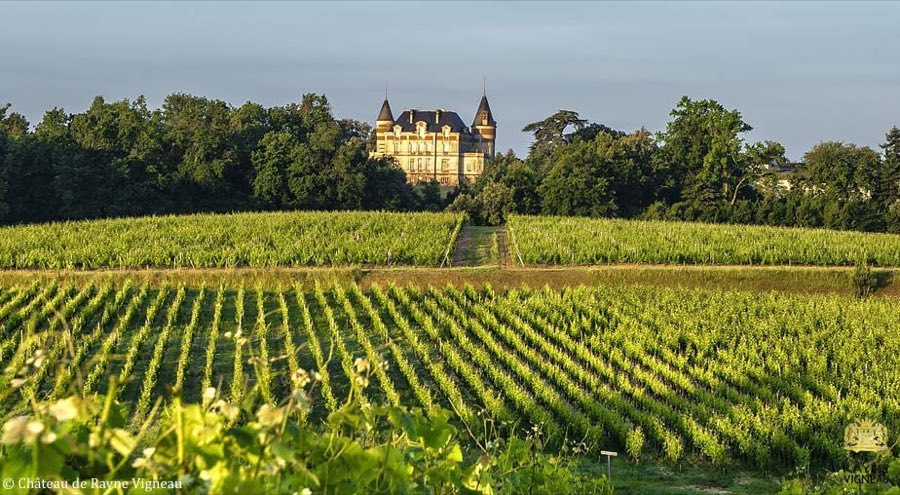
Château de Rayne-Vigneau
France
ChâteauIntact17th century
No. 42456
No. 42456 · 44.542 N, 0.351 W
Quick summary
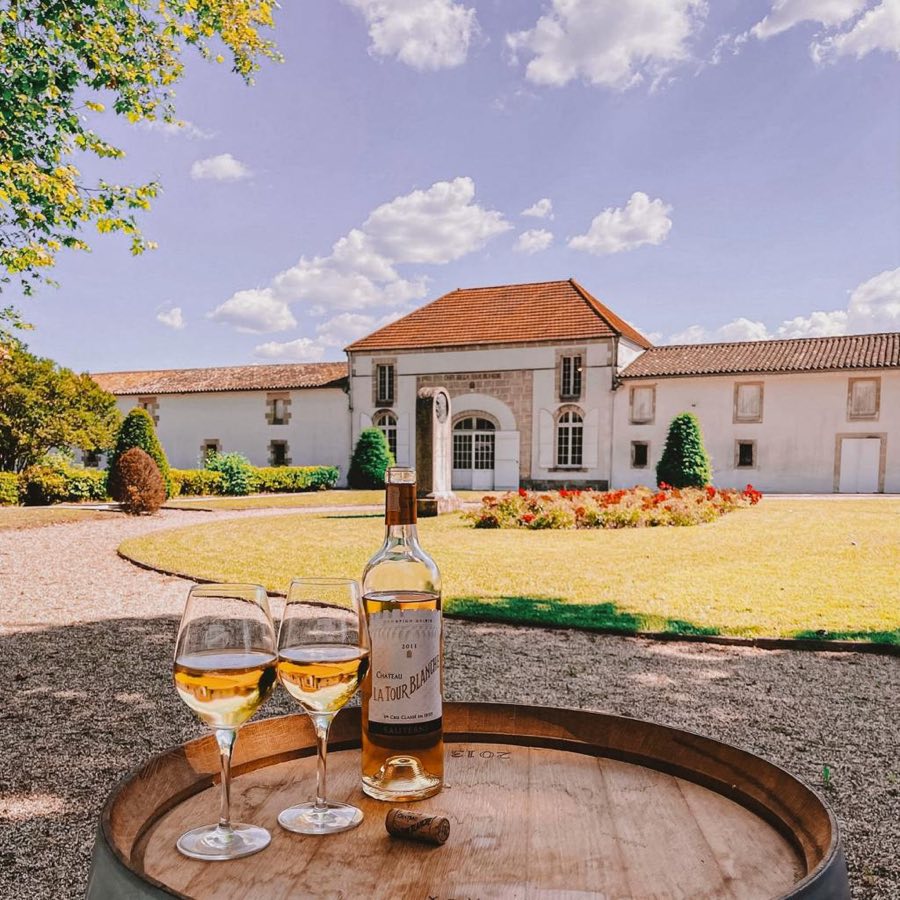
Château La Tour Blanche is a château in France with origins associated with the 18th century.
See all castles in FranceChâteau La Tour Blanche in La Tour Blanche, Bommes, France, is a late 18th-century manor house built by the local French landowning family who gave the property its name. The estate became historically prominent through its classification among the top sweet-wine estates of Bordeaux in 1855 and through a long connection to practical training in vine growing and winemaking. Its house, vineyards and later school together shaped the estate’s role in Sauternes wine production and agricultural education.
The estate name comes from an early owner known as Latour Blanche, recorded in French and Spanish archival traditions that link the property’s origins to that family. After the upheavals of the French Revolution the property passed into new hands and was recorded in the 1790s under Pierre Pécherie. In 1815 the German-born Frederic Focke purchased the estate. From about 1836 Focke is celebrated in local tradition for experimenting with late-harvest methods and with the use of botrytis cinerea, the fungus that concentrates sugars and acids in grapes used for sweet wines. He died in 1855; his widow Delphine ran the estate and in 1862 sold it to family members and associates who continued its commercial operations.
A new phase began when financier Daniel Iffla, known as Osiris, bought the property in 1876. Iffla left the estate to the French state at his death, specifying that a school dedicated to viticulture and oenology be created on the grounds. The French Ministry of Agriculture assumed ownership in the years after his bequest and, in keeping with the donor’s instruction, opened a seasonal school on the property in 1911. That school evolved into the École de Viticulture et d’Œnologie at La Tour Blanche and has remained linked to the estate ever since, providing vocational training in vineyard and cellar trades.
Throughout the 20th and 21st centuries the property combined commercial winemaking with its educational mission. The estate continues to produce its top sweet wine under the château name, alongside a second label called Les Charmilles and several other commercial bottlings. Administratively the wine domain and the vocational lycée are distinct: the school receives public operating subsidy while the commercial domaine runs as a normal business, reinvesting sales revenue. Students learn practical vineyard and cellar skills on site, but production decisions and cellar operations remain under the authority of the estate’s cellar master.
Winemaking at the property has faced strong vintage variation. Average yields over long periods have been low, near a dozen to fifteen hectolitres per hectare, and in some years quality led the estate to forgo bottling, notably in 1992, 1993 and 2000. A severe April frost in 2008 reduced production to roughly three hectolitres per hectare. Sales volumes for the first wine have been reported in the tens of thousands of bottles annually, with other figures indicating several thousand cases for the first and second labels. In recent years the estate has pursued environmental certification and conversion: organic work began near buildings in 2010, an environmental management system was put in place in 2011, the property achieved High Environmental Value level 3 in 2014, and a formal application to convert the full vineyard to organic agriculture was lodged in 2021 with an expected first certified organic vintage in 2023. The château also took part in a 2008 cooperative project with other Bordeaux properties to multiply their own vine clones.
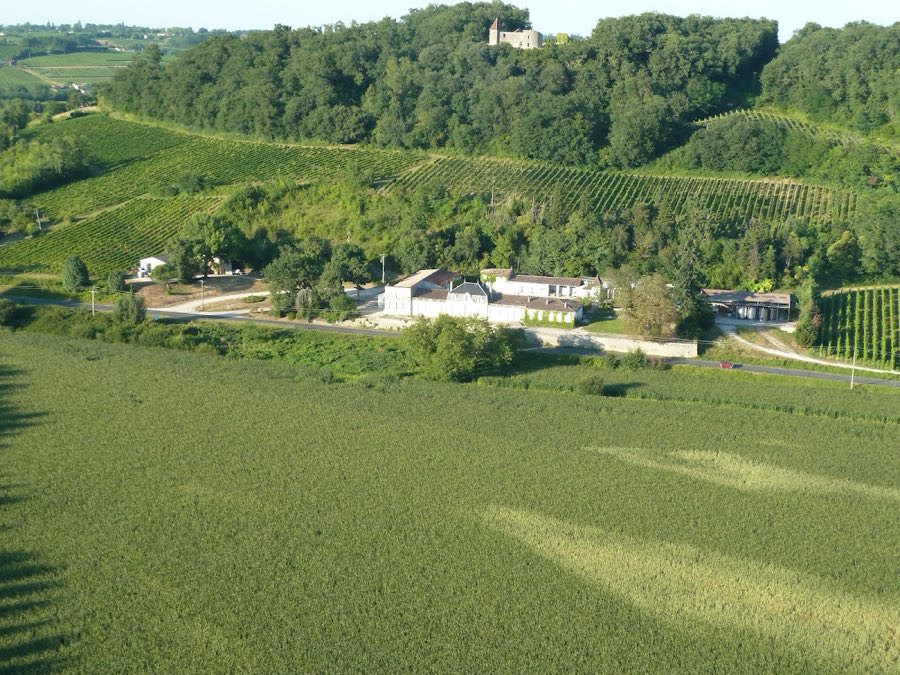
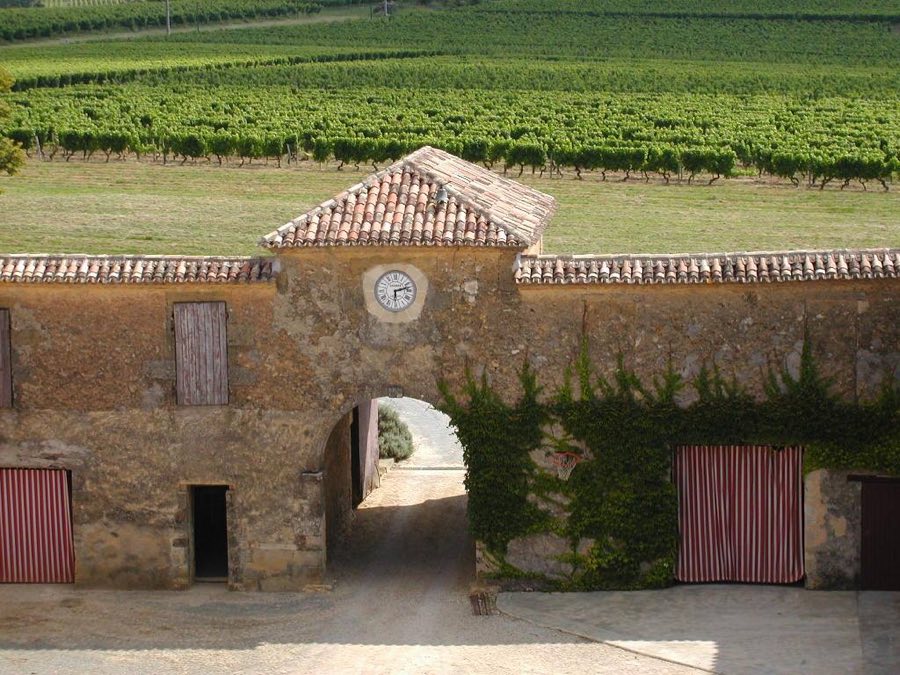
The estate is arranged as a wine-producing domain centered on a late 18th-century manor house with adjacent buildings dedicated to education and cellar work. The manor survives on the property and is complemented by facilities used by the vocational school. Vineyards occupy the gently sloping grounds, with tree plantings and drainage shaped to favor the production of sweet wines along the nearby Ciron river.
The manor house was erected in the late 1700s and remains standing on the estate. It forms the historic core of the domaine and is accompanied by school buildings added to meet the donor’s bequest. These built elements are in regular use and have been adapted to house both administrative and teaching functions alongside the winery’s operational spaces.
Vine plantings cover about forty hectares within a larger estate of roughly seventy hectares, with thirty-six hectares designated for the Sauternes appellation and four hectares set aside for red wine. The vineyards are dominated by Sémillon, around eighty to eighty-three percent of the plantings, with Sauvignon Blanc making up roughly twelve to fifteen percent and Muscadelle about five to six percent. Harvesting is undertaken by hand in multiple successive passes, typically five to six pickings, to select grapes affected by noble botrytis that produce the sweet wines.
Soils at the site present a gravelly surface that promotes rapid surface drainage, underlain by alternating layers of limestone and clay which aid subsurface drainage. The land falls westward toward the Ciron, and the grounds include extensive plantings of poplar and pine that frame the vineyard areas. These natural and cultivated features contribute to the microclimate and water movement regarded as important for Sauternes viticulture.
Winemaking facilities on site emphasize careful selection and barrel ageing. Hand selection of botrytised berries precedes fermentation and maturation in new French oak barriques, with Sémillon often aged in new barrels for periods reported between about fourteen and twenty-four months. The cellars operate under the responsibility of a cellar master who directs production and ageing processes; students of the school acquire skills nearby but do not assume responsibility for the domaine’s commercial winemaking.
The estate landscape and built fabric remain active and maintained: the château building and the school structures are extant, the vineyards are under cultivation, and recent conservation-minded practices and certification efforts have been applied across the property. A cooperative cloning project undertaken in 2008 also left a technical imprint on the vineyard plantings.
No. 38601
No. 24395
No. 57209
No. 83898
Comments
Comments for Château La Tour Blanche will require a verified account before posting.
We'll send a verification link before your first comment is published.