No. 34982
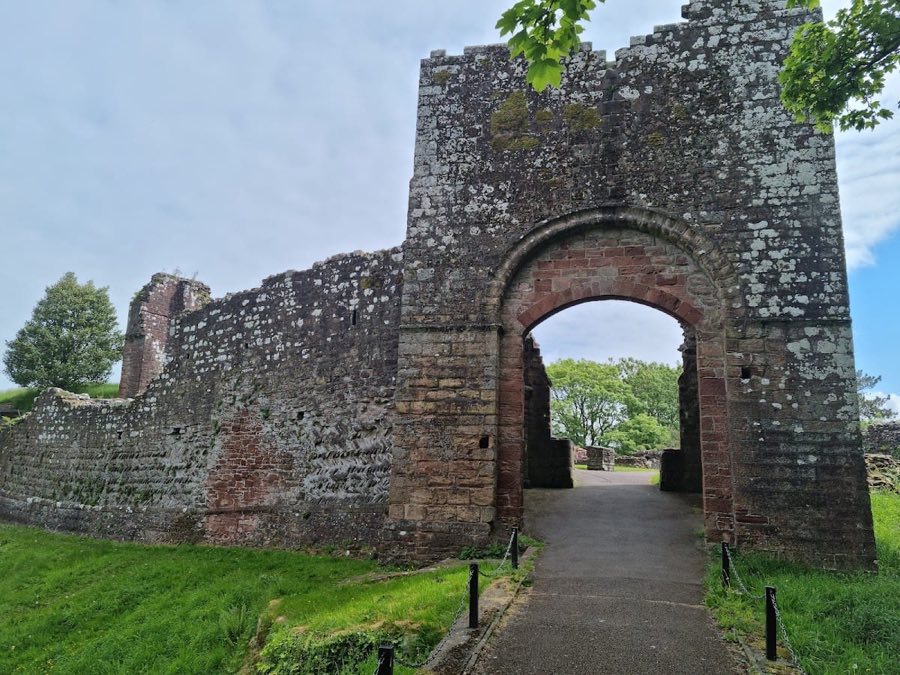
Egremont Castle
United Kingdom
CastleRuin13th century
No. 81774
Castle · United Kingdom
No. 81774 · 54.665 N, 3.362 W
Quick summary
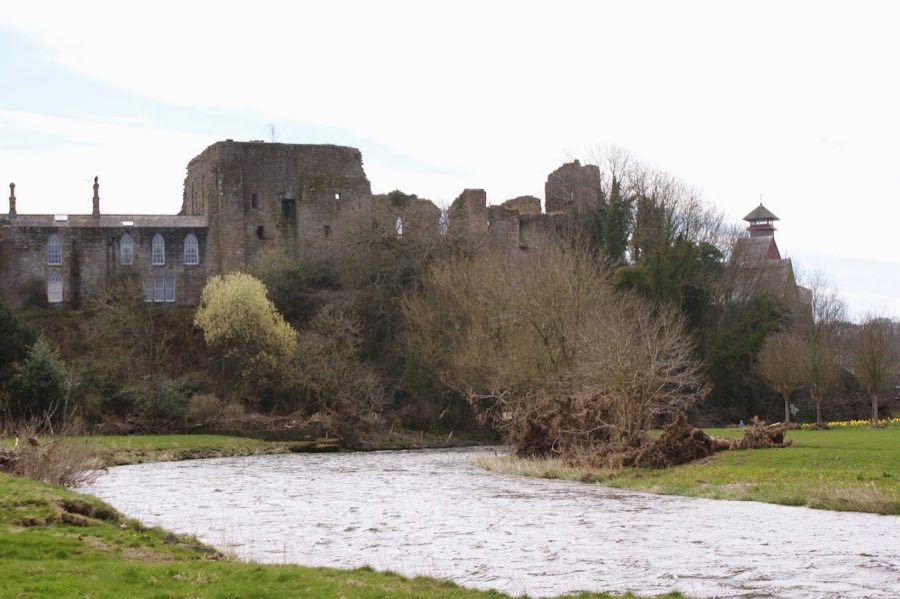
Cockermouth Castle is a castle in United Kingdom with origins associated with the 12th century.
See all castles in United KingdomCockermouth Castle stands in the town of Cockermouth in the United Kingdom; it was erected by the Normans.
The first fortified work on the site was a motte built in 1134 by Norman builders. Early stonework in the castle draws on material taken from the nearby Roman settlement of Derventio, now known as Papcastle. Over the following centuries the site grew beyond the original earthwork mound as stone construction replaced or supplemented timber defences.
Major building phases occurred in the thirteenth and fourteenth centuries, when substantial towers and domestic ranges were added, including the thirteenth-century bell tower and a fourteenth-century kitchen tower. In the fifteenth century the castle became entwined with national politics during the Wars of the Roses, and members of the Percy family, the Earls of Northumberland, were important owners from the fifteenth until the seventeenth century.
In the seventeenth century the castle sustained significant damage during the Civil War. Ownership later passed, in the eighteenth century, to the Wyndham family, who remain the owners today. The castle was the residence of the dowager Lady Egremont until her death in 2013. The site is legally protected as a Grade I listed building and as a scheduled monument. In 2008 the site appeared on the Heritage at Risk Register, which recorded that most of the fabric was in good repair while noting instability in the thirteenth-century bell tower and water penetration in the fourteenth-century kitchen tower. In December 2015 heavy rainfall and flooding triggered a landslide and removed part of the adjacent riverbank; Historic England recorded a clear risk to the castle, the riverbank was reinforced afterward, and no permanent repair scheme had been agreed by 2022. The castle has been opened to the public as part of the Heritage Open Days scheme.
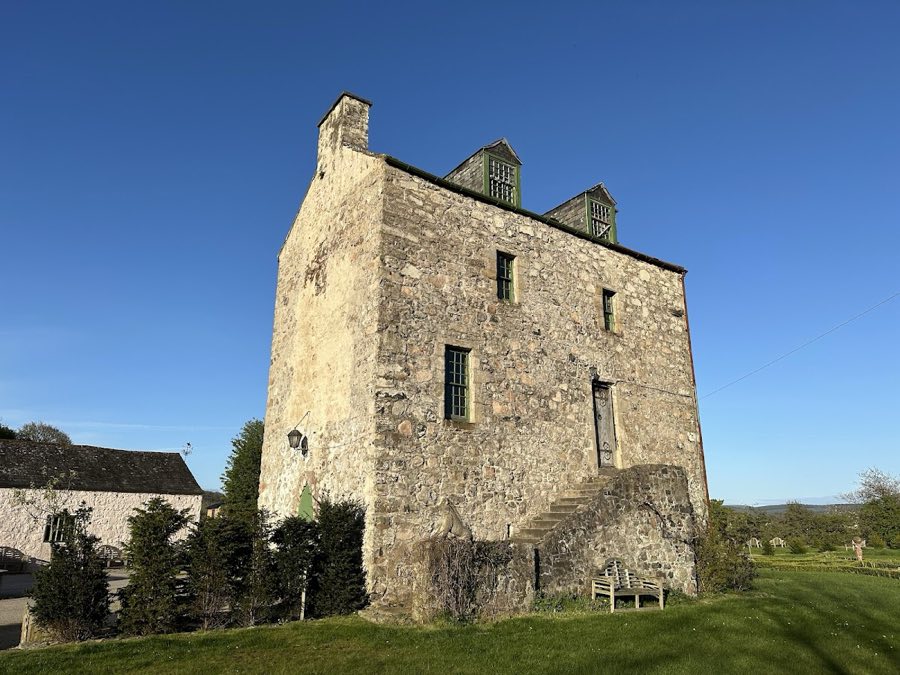
The castle occupies the confluence of the Rivers Cocker and Derwent, sited to use the natural defensive advantages of the river junction. The earliest surviving defensive element is the Norman motte, an earthwork mound created in 1134 that marks the original position of the first castle. Much of the standing stonework that followed was built or repaired using stone reclaimed from the nearby Roman settlement of Derventio (Papcastle), so the fabric of later medieval walls and towers contains reused Roman masonry.
Stone building in the thirteenth century produced the bell tower that still defines part of the skyline; this tower was constructed of medieval masonry and was recorded as leaning and presenting a safety concern in the 2008 condition survey. The fourteenth-century kitchen tower was added during the later medieval phase and its stonework has been affected by water ingress, a condition noted alongside the bell tower in the same assessment. Both towers testify to the castle’s development from a simple motte into a multi-period stone stronghold.
The castle’s structure bears the scars of seventeenth-century conflict, when the place suffered heavy damage during the Civil War; that damage contributed to the mixed state recorded in modern reports, which describe parts of the site as occupied while other areas are in ruinous condition. The riverbank beside the castle was washed away in the floods of December 2015 and was later reinforced to reduce immediate danger to the fabric, though a long-term stabilization plan had not been finalised by 2022. The site’s standing remains, its medieval towers and reused Roman stonework, survive in situ under legal protection as a Grade I listed building and a scheduled monument.
No. 34982
No. 24331
No. 98544
No. 85990
Comments
Comments for Cockermouth Castle will require a verified account before posting.
We'll send a verification link before your first comment is published.