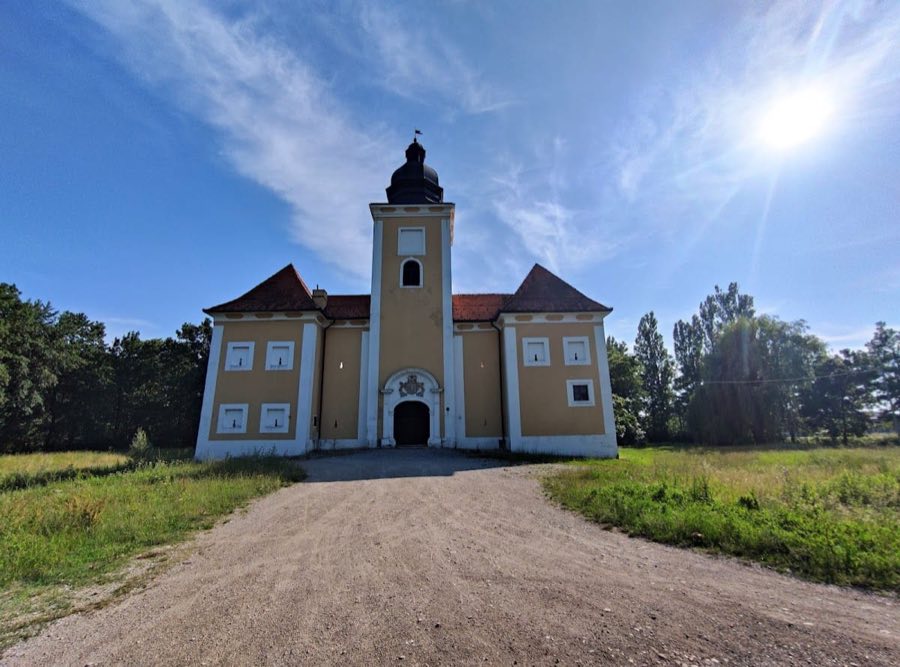
No. 33024
Stari grad Lukavec
Croatia
PalaceRuin15th century
No. 52716
Castle · Croatia
No. 52716 · 45.495 N, 15.528 E
For rent
Dubovac Castle is marked for bookable castle accommodation. Nightly pricing, sleeps count, stay rules, and amenities are displayed only when public operator data is available.
Rental type: Hotel / bookable stay, Short-stay rental
Short-term availability: Bookable accommodation signal
Quick summary
Dubovac Castle is a castle in Croatia with origins associated with the 14th century.
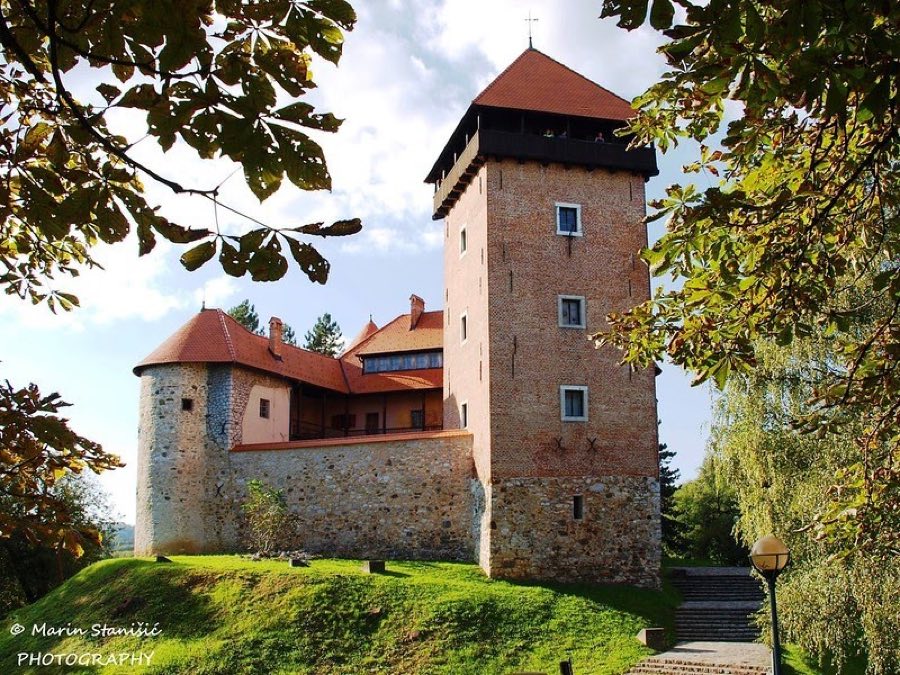
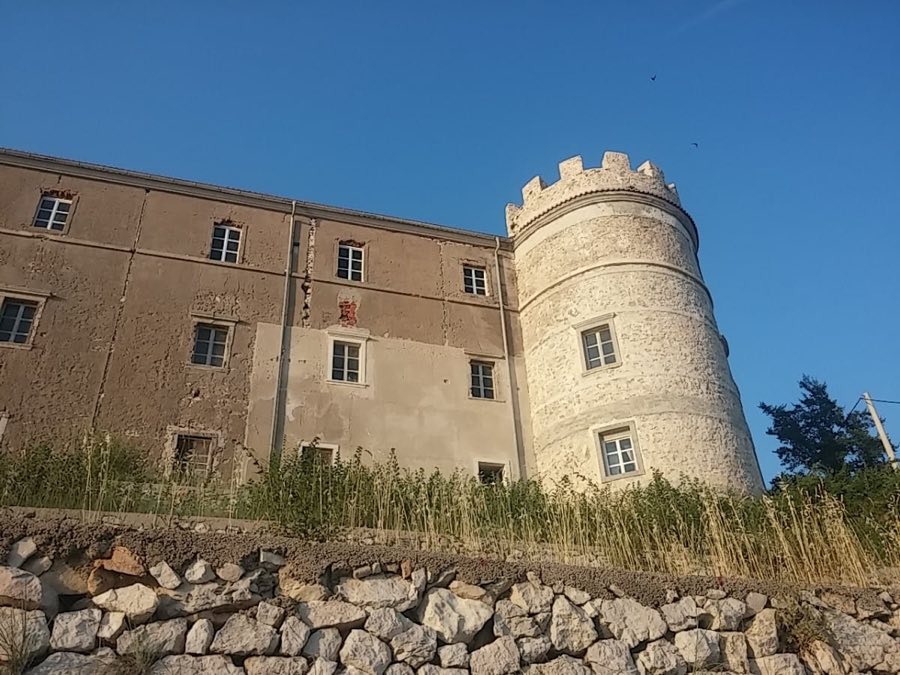
See all castles in CroatiaDubovac Castle stands above the town of Karlovac, Croatia.
The earliest surviving element of the site is a square tower likely erected in the thirteenth century, around which a settlement grew in the medieval period at the meeting point of important rivers and roads. During the late Middle Ages the place functioned as a local stronghold and focal point for the surrounding village.
In the fifteenth century the fortress was reconstructed in a Renaissance manner. On 22 February 1481 a document records that citizens of Grič were exempted from paying tariffs at Dubovac and other locations, showing the castle’s role in regional administration and exchange at that time.
The late sixteenth century brought violent change. In 1578 a Turkish incursion almost destroyed Dubovac; survivors took refuge in the newly established settlement of Karlovac, and only the castle itself remained from the former village. Ten years later, in 1588, Dubovac was counted among nearby places obliged to supply timber for the fortification works at Karlovac, together with Novigrad, Bosiljevo and Ribnik, each required to send six carts of wood; the deliveries were made despite complaints about the behaviour of soldiers stationed in Karlovac.
Ownership of the castle passed through several noble houses. Recorded proprietors include the Sudar family, the Frankopan line and the Zrinski family; one reconstruction of ownership gives Sudar from 1387 until 1426, Frankopan from 1442 until 1550, and Zrinski from 1550 until 1578. In 1604 the nobleman Nikola VI Zrinski tried to purchase the property, but Emperor Rudolf II set a price of 93,495 florins for the castle together with other estates. The castle’s name appears on a 1673 map as “Dubouetz.”
From the later seventeenth century the castle figures in military administration. One account records ownership by the Karlovac generals between 1671 and 1809; other accounts place the castle under the town’s army command from 1678 until 1810. In 1837 Count Laval Nugent carried out a rebuilding that reflected contemporary romantic tastes. Eighteenth‑century military engineers produced detailed descriptions of the structure and its fabric in 1777, and those plans guided twentieth‑century reconstruction work. A renovation undertaken in 1952 referenced graphic material from the late 1700s according to one record; other records date a later reconstruction to 1961 and state the 1777 engineers’ documentation was used. Between 1965 and 2007 the castle belonged to the city museum and hosted exhibitions. In recent years the interior was adapted for use as a hotel; alterations made to create rooms caused damage that is now being repaired. The castle has also been depicted on a Croatian commemorative postage stamp.
The site occupies a man‑made hill chosen for defensive advantage and for broad views over the surrounding countryside; the castle commands the urban area below. The surviving complex reflects several building phases, notably a probable thirteenth‑century square keep, a fifteenth‑century Renaissance rebuilding, and nineteenth‑century work carried out in 1837 in a romantic idiom. Eighteenth‑century military engineering descriptions preserve information about the castle’s form and building materials and were later consulted during modern repairs.
The square tower, dated to the thirteenth century, served as a defensive strong point and remains a primary element of the ensemble. A report drawn up by military engineers in 1777 records the structure and the materials used in its fabric and gives detailed accounts of corner towers and two‑storey towers that articulate the plan; those same descriptions informed reconstruction campaigns in the twentieth century. The tower and the other towers show evidence of successive remaking, including the fifteenth‑century Renaissance alterations and the romantic rebuilding undertaken by Count Nugent in 1837. These elements survive as part of the standing castle.
Corner (angular) towers and two‑storey towers are specifically described in the 1777 engineers’ documentation and appear in the castle’s present form following later restoration. That nineteenth‑ and twentieth‑century work drew on the eighteenth‑century technical records to guide repair and rebuilding of these defensive components. The fortification occupies the artificially raised site and still overlooks the town of Karlovac.
Inside the building, changes carried out to accommodate a museum and later hotel rooms altered original interiors. The castle interior once housed exhibitions, including a large model of the surrounding countryside, when the property belonged to the municipal museum from the mid‑1960s until 2007. More recent conversion to guest accommodation produced damage to internal fabric; those repairs are currently underway to reverse alterations made for hotel use.
No. 33024
No. 26849
No. 18970
No. 53393
Comments
Comments for Dubovac Castle will require a verified account before posting.
We'll send a verification link before your first comment is published.