No. 24809
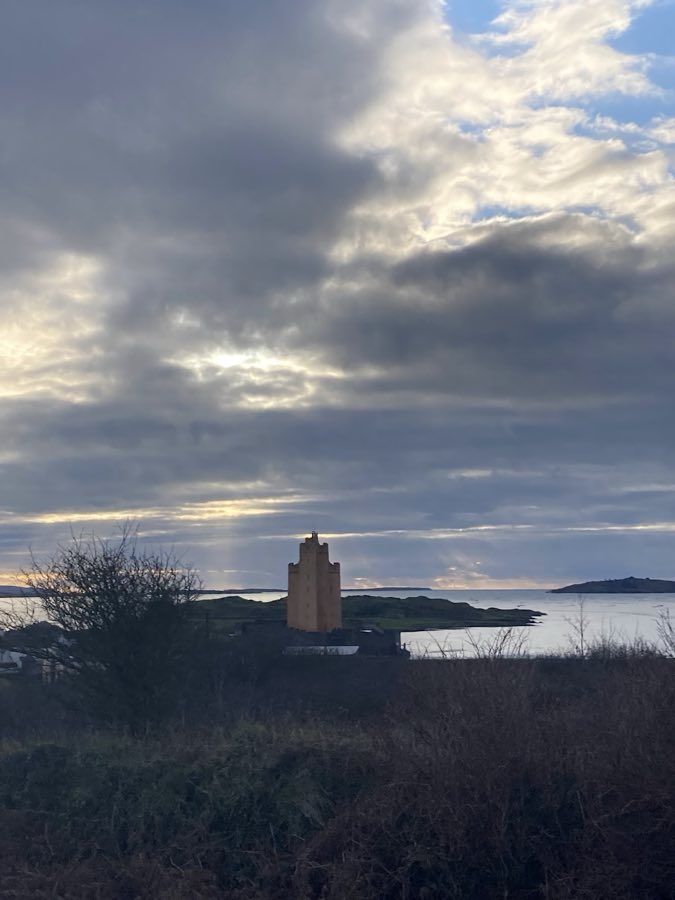
Kilcoe Castle
Ireland
Tower houseRuinFor sale15th century
No. 48000
Tower house · Ireland
No. 48000 · 51.484 N, 9.373 W
Quick summary
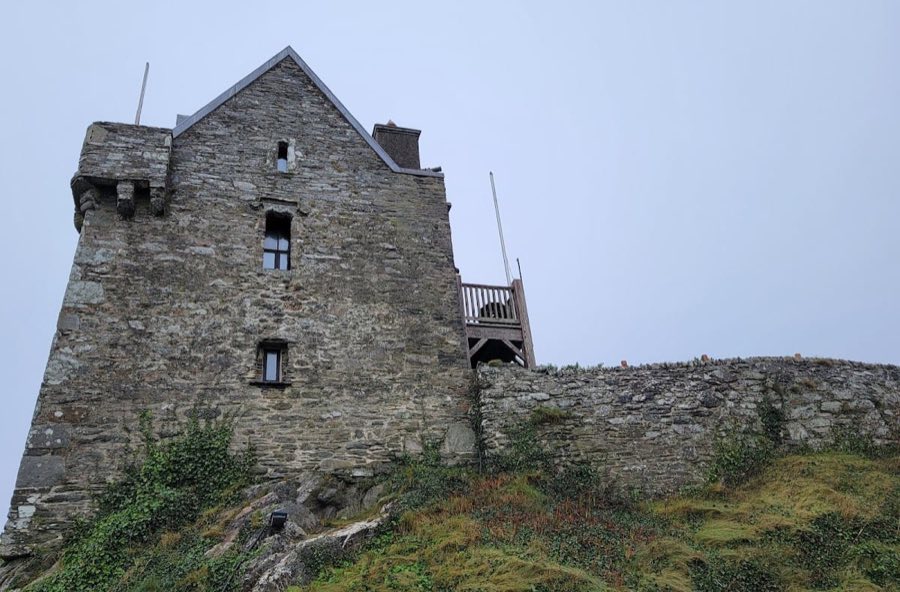
Dunasead Castle is a tower house in Ireland with origins associated with the 13th century.
See all castles in IrelandDunasead Castle is situated in Baltimore, a coastal village in modern-day Ireland, and was established by Anglo-Norman settlers during the early 13th century. The site’s strategic location overlooking the harbor contributed to its importance over several centuries of regional conflict and shifting control.
The earliest known fortification on this site dates back to 1215 when the Anglo-Norman FitzStephens family constructed a tower house accompanied by a defensive enclosure known as a bawn. This structure replaced an earlier Celtic ringfort, which likely originated during the Bronze or Iron Age. In 1305, the castle was attacked and burned by the Gaelic MacCarthy clan, a powerful regional force. Following this conflict, the O’Driscoll clan—a smaller yet influential Gaelic family—took control of the site and undertook rebuilding efforts to restore the stronghold.
Throughout the late medieval period, the O’Driscoll family faced frequent hostilities both from rival Gaelic groups and Anglo-Norman settlers in the area. Their tensions with Waterford merchants escalated into a prolonged feud beginning in 1368, triggered by an O’Driscoll assault on the merchants’ fleet. In retaliation, Waterford forces launched raids culminating in 1537 when they sacked Dunasead and other O’Driscoll properties. Nevertheless, the castle was rebuilt in the following decades and played a role during the 1601 campaign of the Spanish Armada, when it served as a garrison for Spanish troops allied with the Irish.
After siding with Hugh O’Neill at the Battle of Kinsale, the O’Driscolls surrendered the castle to English forces. Some family members received pardons, allowing Florence O’Driscoll to recuperate the property in time, although financial difficulties led him to lease it to others. During the Irish Confederate Wars in the 1640s, Oliver Cromwell’s army seized Dunasead Castle. Following this turbulent period, the stronghold eventually fell into ruin.
Efforts to preserve the castle were undertaken from 1997 to 2005 when the McCarthy family restored the structure, allowing it to stand again as a reminder of the area’s layered past.
Dunasead Castle is positioned on a sandstone ridge at the center of Baltimore, overlooking the harbor below. The surviving structure comprises a two-storey rectangular house with an attic, which is enclosed within a surrounding defensive wall known as a bawn or curtain wall. The main building itself is integrated into the south-west section of this wall and measures roughly 6 by 18 meters (20 by 59 feet).
The main house features a modest degree of defense compared to earlier medieval strongholds. Its ground floor is pierced by narrow slit windows designed to provide limited but effective protection, while a bartizan—a small overhanging turret—is found on the south-west corner of the structure. These defensive elements emphasize function over grandeur, reflecting the building’s role as a fortified residence rather than a heavily armed fortress.
Constructed primarily from masonry typical of the region, the castle is set firmly upon the natural sandstone of the ridge. The surrounding bawn walls contribute to the enclosure but are not as robustly fortified as earlier medieval castles, aligning with the castle’s reduced military importance by the time of its 17th-century rebuild. No decorative stonework or inscriptions have been documented on the current fabric of the building.
Today, the restored castle stands as a largely complete representation of a 17th-century fortified house, retaining its core defensive and residential features that tie it to a long history of occupation, conflict, and adaptation on this coastal site.
No. 24809
No. 48482
No. 80228
No. 52928
Comments
Comments for Dunasead Castle will require a verified account before posting.
We'll send a verification link before your first comment is published.