No. 89681
Löfstad Castle
Sweden
CastleRestoredFor events15th century
No. 14525
Castle · Sweden
No. 14525 · 58.382 N, 15.946 E
For events
Ekenäs Castle is marked as a château or castle venue lead. Capacity, indoor/outdoor spaces, catering rules, and accommodation options are published only after public verification.
Event types: Private events, Cultural gatherings, Filming and photography
Quick summary
Ekenäs Castle is a castle in Sweden with origins associated with the 14th century.
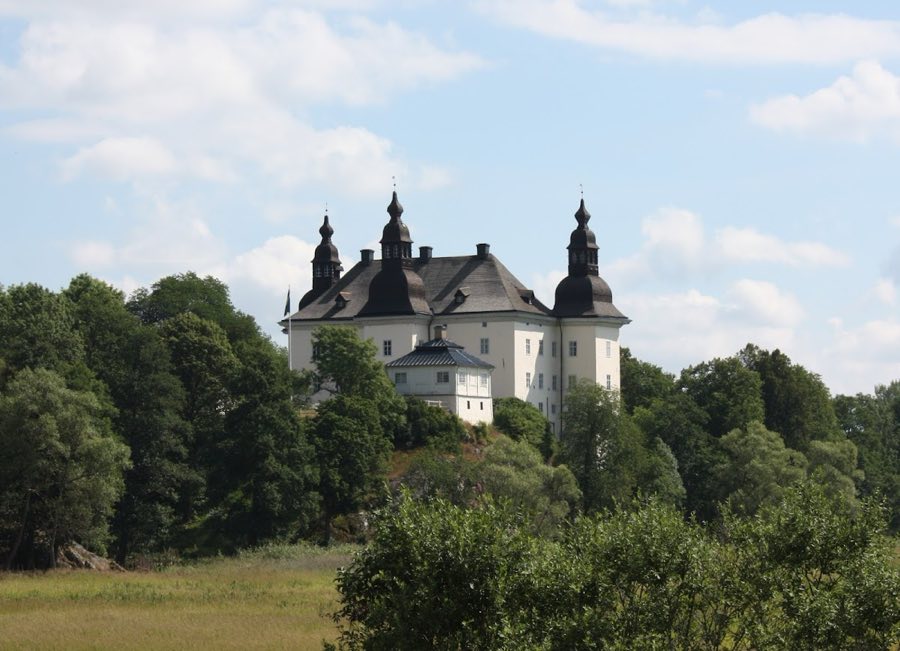
See all castles in SwedenEkenäs Castle in Linköping, Sweden is a privately owned hilltop motte-type castle (motte, a defensive hill) first established by medieval Swedish nobility in the 14th century and largely rebuilt in the 17th century in a Renaissance manner. Its long occupation by successive noble families and later recognition by Swedish authorities mark the site as an enduring seat of regional aristocratic power and estate management from the Middle Ages into the modern era.
In the Middle Ages the estate belonged to the Natt och Dag family. In 1562 ownership passed to the Sture family, and Svante Stensson Sture erected a stone manor on the site; an English account records a stone house there in 1592. Late in the sixteenth century Gustav Axelsson Banér transformed the house toward a fortified residence, and between 1630 and 1644 Per Banér carried out a major reconstruction in the Renaissance style that his son Klas continued. For long periods the Banér family retained the property.
During the 1680s changes in royal policy under King Charles XI affected landholding across Sweden, and ownership of Ekenäs shifted. Gustav Banér transferred the castle to Isak Breant; Breant’s son sold the estate in 1687 to Count Mauritz Vellingk. Vellingk’s daughter Ulrika Christina married Lieutenant-General Baron Johan Mauritz Banér, and the castle returned to Banér hands. The Banér family continued to hold Ekenäs into the nineteenth century. Around 1879–1880 Baron Johan Gustav Eskil Banér sold the property to Count Philip Otto Leonard Klingspor, who made the estate a center for farming and forestry and lived there for more than twenty years; the agricultural and forested holdings measured about 1,200 acres (approximately 490 hectares).
The castle remained inhabited until 1934; the last direct resident was Matilda Klingspor (1882–1965). In the early twentieth century the estate changed hands and in 1939 the Bergengren family became owners. During the Second World War the building served as a local military headquarters and supply depot. After 1945 the house fell into neglect and its furnishings suffered loss until later restoration efforts. In 1974 the property was listed by Swedish authorities as of national cultural importance, after which owners carried out substantial restoration work and preserved interiors and furniture spanning up to three centuries. Since 1993 the site has been used for an annual medieval-style jousting tournament and festival held in late spring, and other seasonal events such as a Christmas market have been held on the grounds.
The castle occupies a rocky hill at the northern end of Lake Teden, built on the foundations of a fourteenth-century fortress. The original position on a rock surrounded by water provided natural defense, and the present house sits directly atop those medieval foundations, incorporating stonework from earlier phases. In the late nineteenth century the lake was lowered and partly drained to gain arable land, and subsidence later caused further recession of the waterline; these changes altered the original water defenses.
The principal building is a three-storey stone structure covered by a steep, high roof. It displays three square towers capped with Baroque-style domes and externally rendered white walls. Two of the towers stand on the southern corners of the plan while the third occupies the middle of the northern front. Heavy corner towers with worn Baroque hoods frame the entrance vault. A fixed stone bridge now spans the approach and sits at the place where a drawbridge once operated, giving direct access to the entrance located in the southeast tower.
A central stair tower rises within the body of the house and opens onto the castle courtyard, which is flanked by two square wings added in the eighteenth century. The interior retains historic carpentry, furnishings, and decoration from across three centuries, preserved during late twentieth-century restorations after the site received state recognition. Stone and timber form the primary building materials, and the house has not been fitted with running water or electricity according to contemporary reports describing the property. Overall, the principal structural elements and successive alterations—from medieval foundations through seventeenth-century rebuilding and later eighteenth-century additions—remain visible in the restored fabric of the castle.
No. 89681
No. 36677
No. 47220
No. 34330
Comments
Comments for Ekenäs Castle will require a verified account before posting.
We'll send a verification link before your first comment is published.