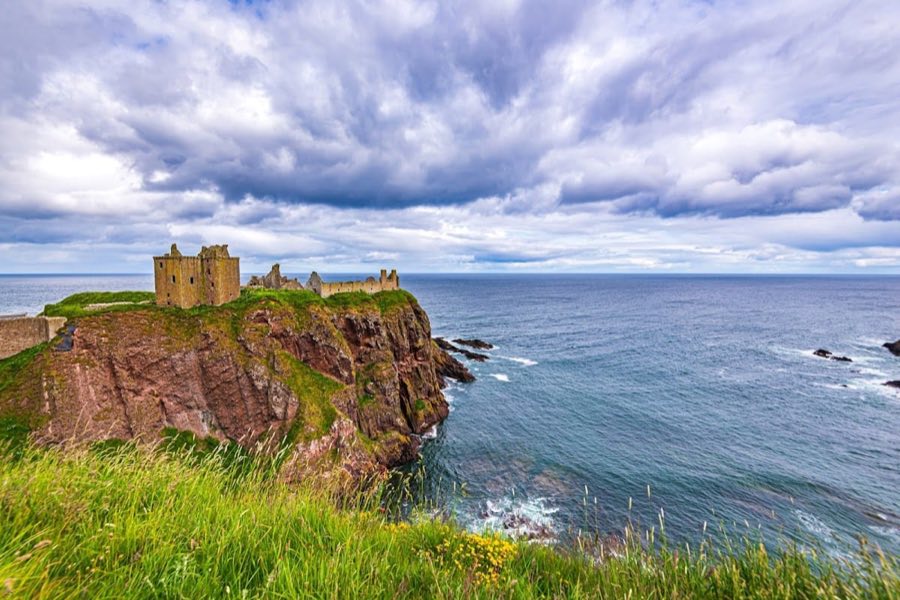
No. 60129
Dunnottar Castle
United Kingdom
Tower houseRestored13th century
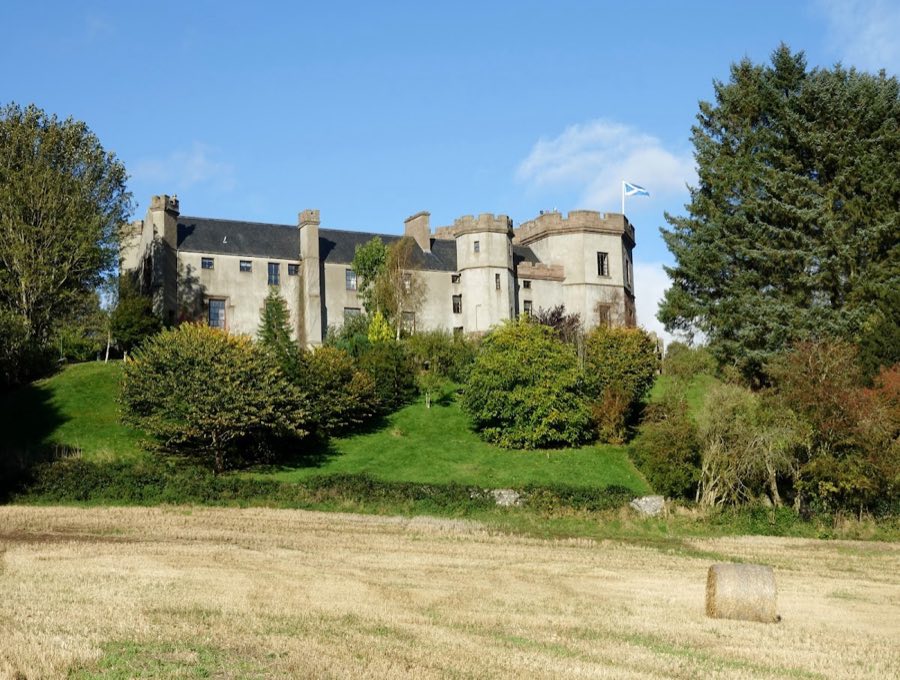
No. 18410
Tower house · United Kingdom
No. 18410 · 56.960 N, 2.260 W
For sale
Fetteresso Castle in United Kingdom is marked with a public sale signal. Asking price, tenure, land area, floor area, and room counts are shown only after public verification.
Status: Public sale signal
Price: Price on application or not publicly verified
Property type: Tower House
Notable features: Restored historic fabric, Residential use, Public-access operations
Availability note: Submit an official public listing or register buying interest to complete the sale record.
For events
Fetteresso Castle is marked as a château or castle venue lead. Capacity, indoor/outdoor spaces, catering rules, and accommodation options are published only after public verification.
Event types: Private events, Cultural gatherings, Filming and photography
Quick summary
Fetteresso Castle is a tower house in United Kingdom with origins associated with the 14th century.
See all castles in United KingdomFetteresso Castle stands just west of Stonehaven, United Kingdom, and its earliest standing fabric was erected by medieval Scottish hands.
The landscape around Fetteresso shows human activity long before the castle was built. Cropmarks record a ring ditch at the north end of a cursus within the estate, a chambered cairn made of unhewn whinstone containing human remains was uncovered in 1822 and identified as Bronze Age, and a Beaker-period burial urn was recovered on the grounds in 1998.
During the early 1300s the locality changed hands amid the wars of the period. Robert I ordered the burning of Castlehill of Strachan, and about 1316 he granted the Strachan barony to Sir Alexander Fraser. In the later fourteenth century the barony that included Fetteresso came into the family of William Keith, the Earl Marischal, through his maternal line. After acquiring the barony, the Earls Marischal raised a stone tower house there to serve as a fortified residence.
Royal and local events touched Fetteresso in subsequent centuries. On 20 June 1580 James VI hunted in the woods at Fetteresso while he was staying at nearby Dunnotar. In 1659 Jean Hunter, who lived at Fetteresso, was accused of witchcraft and was executed at her home.
Alterations to the house continued from the later seventeenth century. The Duff family undertook extensions built around the medieval tower in the late 1600s. A tall dovecote was erected to the south of the house during that century. At a later time the older stronghold was transformed into a country manor in a Scottish Gothic interpretation of Palladian planning; one account gives the date of this remodelling as 1671, while another places it in 1761.
In the twentieth century Maurice and Geraldine Simpson (née Pringle) owned the property during the 1940s before they moved to Muchalls Castle. Around 1954 the roof was removed, and the estate passed to a local landowner who bequeathed it to the Don family, who invested in repairs. During the latter part of the 1900s the building was restored and divided to form seven private residences. One of those units, identified as Number Seven, was offered for sale in 2020. The castle remains in private hands and is not open to the public.
The site combines a medieval stone core with later country-house rebuilding and visible prehistoric traces in the surrounding policy. The principal structure began as a fourteenth-century stone tower and was later enlarged and reshaped into a manor executed in a Scottish Gothic manner influenced by Palladian ideas. The medieval masonry underlies later walls and the footprint that became the multi-unit residence.
The original defensive house was built of local stone and survives within later fabric, its massing forming the heart of the present complex. In the late seventeenth century that nucleus was enveloped by new building, the Duffs adding ranges around the older tower. These expansions reused and tied into the medieval walls, producing a composite plan that was subsequently altered again during the conversion to a Palladian-inspired country house. Today the core survives as part of the restored dwellings that occupy the building.
Exterior decorative and defensive-style elements were introduced after the medieval period. Crow-stepped gables and battlement-like crenellation were added to parts of the house to give it a Gothic appearance applied to a classical arrangement. A dovecote, notable for its height, stands to the south and dates to the seventeenth century; it was constructed of the same durable stone typical of the estate buildings and formed part of the post-medieval service complex.
The twentieth century saw the building lose its roof around 1954, a change that affected the upper masonry, and later work repaired and adapted the fabric for domestic use. Conservation and rebuilding in the later twentieth century reinstated weatherproofing and created seven separate residential units within the historic envelope, so much of the visible stonework is now in restored condition while retaining the layered character produced by centuries of alteration.
Archaeological features within the policies record prehistoric activity alongside the historic house. A ring ditch visible as cropmarks marks the north end of a cursus crossing the estate, indicating ceremonial or funerary landscape use in prehistory. The Bronze Age cairn discovered in 1822 preserved human remains and contained a chamber built of unshaped whinstone blocks, a structural technique identified with Bronze Age burial practice; that chamber was revealed and recorded at the time of discovery. A Beaker-period burial urn recovered in 1998 further confirms funerary use of the ground in the earlier prehistoric period.
No. 60129

No. 20778
No. 13142
No. 87506
Comments
Comments for Fetteresso Castle will require a verified account before posting.
We'll send a verification link before your first comment is published.