No. 10733
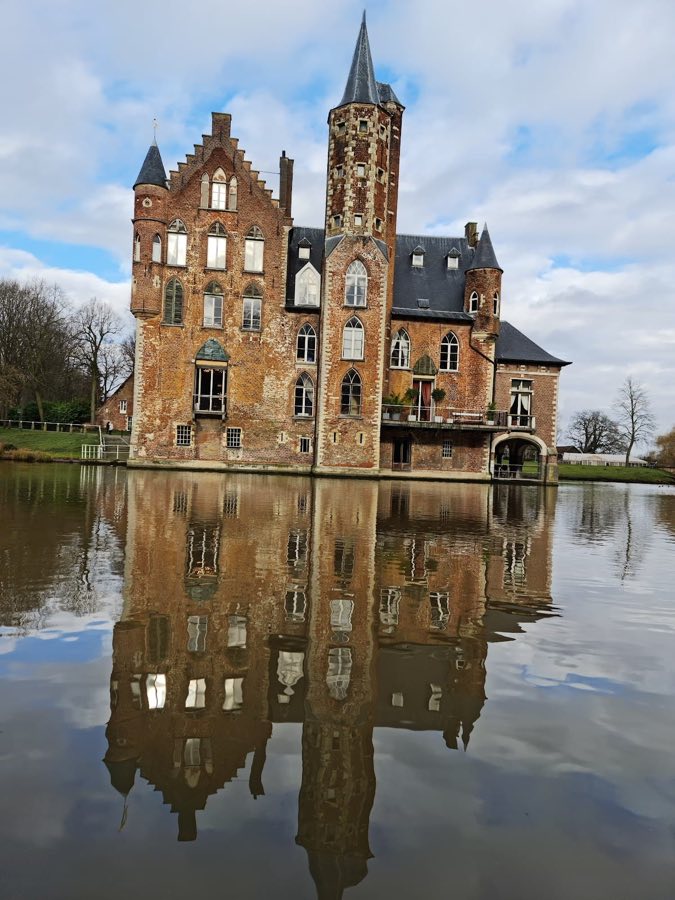
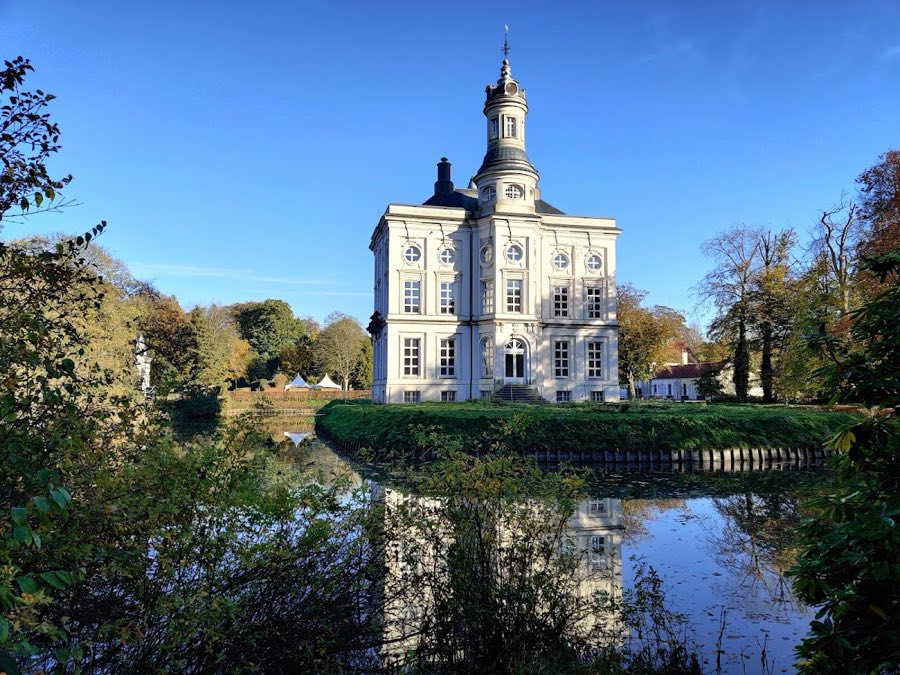
Kasteel Wissekerke
Belgium
CastleRestoredFor events12th century
No. 58598
Castle · Belgium
No. 58598 · 51.126 N, 4.293 E
Quick summary
Graventoren is a castle in Belgium with origins associated with the 12th century.
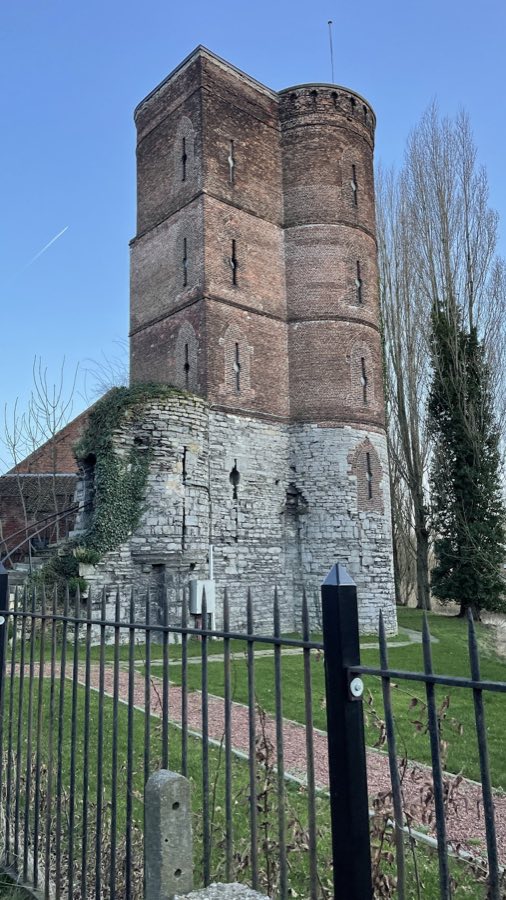
See all castles in BelgiumThe Graventoren is located in Rupelmonde, within the municipality of Beveren in modern-day Belgium. It was originally constructed by the Counts of Flanders during the 12th century, forming part of a water castle designed to control and defend the vital waterways of the Schelde and Rupel rivers, which were crucial for economic transport in the medieval period.
In the mid-13th century, specifically in 1254, Margaret of Flanders oversaw a major expansion of the fortress. This development not only enhanced its military role but also established the castle as the secure repository for the archives of the County of Flanders, safeguarding important legal documents and privileges. The castle saw ongoing renovations throughout the 14th century, including extensive refurbishments between 1379 and 1385 amid the turmoil of the Flemish Revolt. These works solidified the castle’s appearance well into the 17th century.
The Graventoren’s historical records reveal several dramatic episodes. In 1564, a fire caused during the escape attempt of a religious reformer named Jan Hendrickx nearly destroyed the castle’s precious charters. Later, in 1583, the fortress was surrendered to Spanish forces under Alexander Farnese, who successfully defended it against a counterattack led by Philip of Marnix. During its use as a state prison up to 1647, the castle held notable figures such as Louis I of Nevers, imprisoned for alleged treason; Zeger of Kortrijk, executed in 1338; Frank van Borssele, detained in 1432; and the cartographer Mercator, who was confined for seven months in 1544 accused of heresy.
The late 17th century brought further conflict when the castle suffered severe damage in 1678 amid warfare involving Spain, the United Provinces, and France. In the aftermath, local residents reused stones from the ruins to build the nearby Church of Our Lady of the Visitation. Although the fortress was never restored fully, it continued to function as a military stronghold until the mid-18th century, ceasing this role in 1748. By 1817, under Baron Guillaume de Feltz, the last standing ruins were removed and replaced by a brick hunting pavilion constructed atop the original tower’s Tournai limestone foundation. In modern times, the Graventoren has been repurposed for cultural and heritage functions, maintaining its historic connection to the region.
The Graventoren today preserves the base of the original 12th-century water castle’s main tower. Its foundation consists of sturdy blocks of Tournai limestone, a material commonly used in medieval construction due to its durability and availability in the region. This stone base forms the visible remnant of a once much larger fortress, which featured a broad defensive rampart that connected directly to the banks of the Schelde River, highlighting the castle’s strategic role in controlling river access.
Atop this medieval stone base, a brick hunting pavilion was added in the early 19th century, during the clearing of the original ruins initiated by Baron Guillaume de Feltz. This later structure sits directly upon the limestone foundation, merging two distinct periods of construction at the site. Inside the tower, museum exhibits include a detailed scale model (maquette) of the Graventoren, which illustrates the former castle’s layout and appearance, alongside displays relating to the history of the building and the surrounding Schelde region.
Photographic documentation of the tower’s interior shows staircases and rooms that visitors can access today. These features reflect the building’s layered history, with the medieval stone beneath supporting the later brickwork. The Graventoren is also closely linked to a nearby historic tidal mill; together, the tower and mill form a coherent heritage ensemble that connects the site’s defensive past with the local waterways and economy. The overall condition of the tower is stable, with the medieval base remaining in its original position, making it a visible and tangible connection to the castle’s long historical presence in Rupelmonde.
No. 10733
No. 77965
No. 14019
No. 69383
Comments
Comments for Graventoren will require a verified account before posting.
We'll send a verification link before your first comment is published.