No. 92477
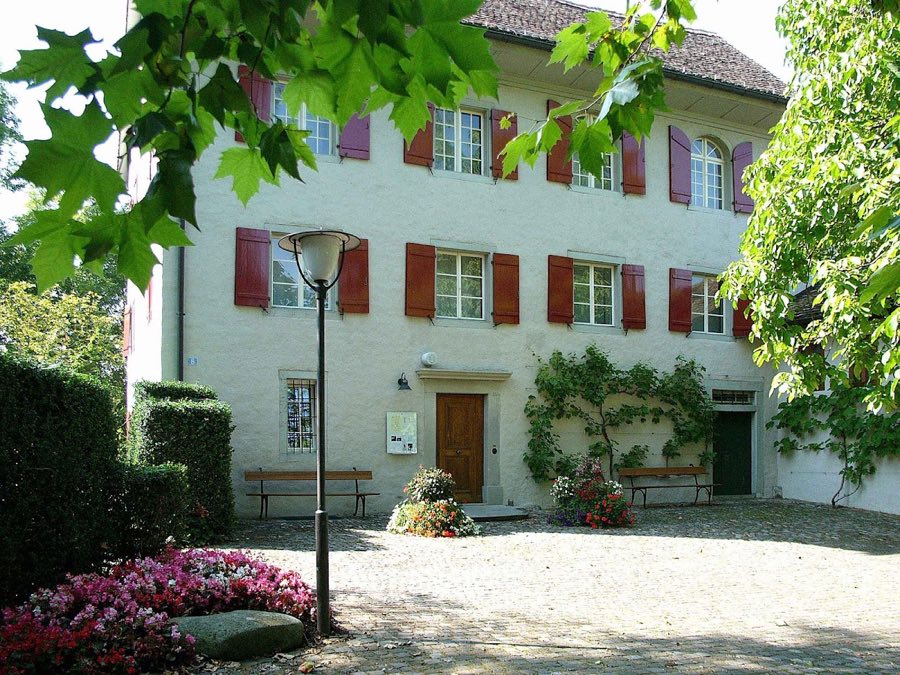
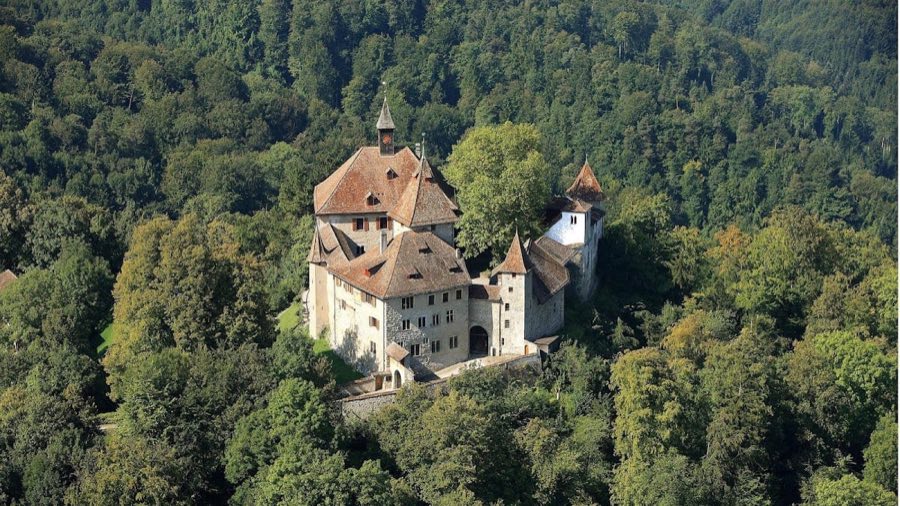
Castle of Maur
Switzerland
CastleRestored13th century
No. 92088
Castle · Switzerland
No. 92088 · 47.365 N, 8.676 E
For events
Greifensee Castle is marked as a château or castle venue lead. Capacity, indoor/outdoor spaces, catering rules, and accommodation options are published only after public verification.
Event types: Private events, Cultural gatherings, Filming and photography
Quick summary
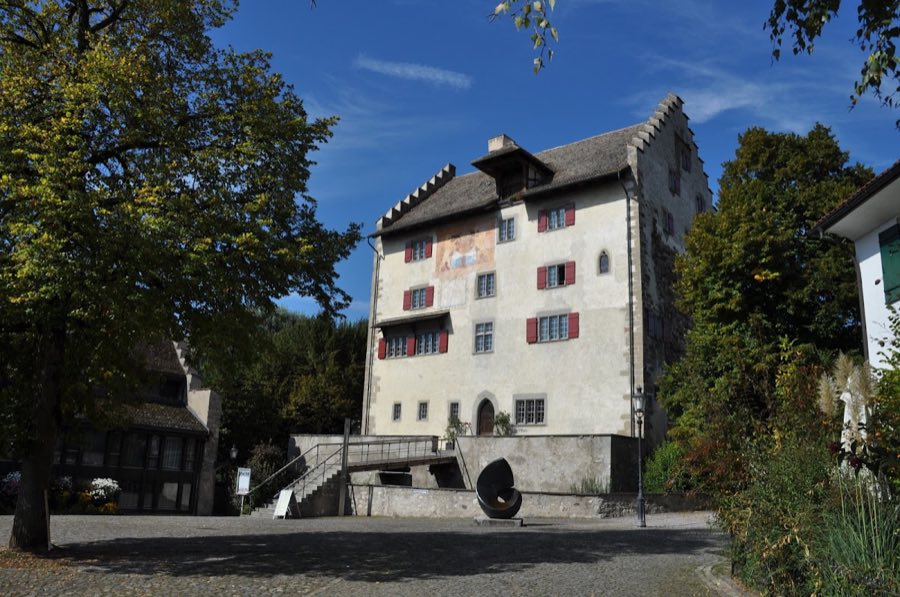
Greifensee Castle is a castle in Switzerland with origins associated with the 13th century.
See all castles in SwitzerlandGreifensee Castle in Greifensee, Switzerland, began as a fortified site created by the House of Rapperswil in the mid‑13th century and belongs to the medieval period. Built on a small rock at the lake edge, the castle later became the first bailiwick seat under the city of Zürich and played a central role in regional politics and warfare, most notably during a siege and mass execution in 1444. The place occupies a landscape with much older human activity, including Neolithic pottery and pile‑dwelling settlements, and Roman finds in nearby localities.
People appear at the lakeshore here long before the castle. The defensive use of the rock probably started in the 1100s, when the Rapperswil family raised a tower. By about 1250 a palas, the main residential block of a medieval castle, took shape. The settlement and its knights enter written records in the 1200s, with a 1260 reference naming the place in an older form and local families such as the Nänikon appearing in documents of that century.
On 7 January 1300 Countess Elisabeth of Rapperswil handed the castle, the neighbouring town, the lake and associated farms, rights and court authority as security to the knight Hermann II of Landenberg. His heirs, including Hermann IV, strengthened the town’s defences and endowed a chapel. The Landenberg line sold the holding in 1369 to the Counts of Toggenburg. In 1402 the city of Zürich took Greifensee as a pledge and in 1419 acquired it outright; from that year the place served as Zürich’s first appointed bailiwick, with a Zürich bailiff, called a Landvogt (bailiff), resident at the castle.
Violence struck in May 1444 during the Old Zürich War. The town and castle were besieged, and parts of the south and west walls were undermined and collapsed. After the siege ended the surviving defenders were executed on 28 May 1444 in what became known as the Murder of Greifensee. Attacking forces looted and partly demolished the outer courtyard, the ring wall and the town defences before leaving on 1 June 1444.
Following the siege the ruins served as a source of building stone for decades. In 1520 the Zürich council ordered reconstruction of the castle on a modest scale; work began at Michaelmas that year. The rebuilt central residential block rose from the older foundations, but the former outer courtyard and town fortifications were not rebuilt. From the 1500s onward the castle remained the administrative residence for Zürich’s appointed bailiffs.
The castle continued as Zürich’s official seat until the French invasion of 1798. During the early 1800s it housed the district governor and a small lakeside prison was added between 1803 and 1814. From 1814 to 1830 it functioned as an upper district seat and then lost administrative prominence after the 1831 constitutional reorganisation. The canton sold the property in 1833 and it passed through several private owners, who altered and added features such as a neo‑Gothic porch in 1862. The canton bought the building back in 1935 and let it to tenants until the late 20th century.
After a light interior refurbishment in the 1990s the castle was placed under the care of the Greifensee Castle Foundation in 1995 for use as a cultural and educational centre. One of the historic bailiffs who lived here inspired the title character in Gottfried Keller’s novella The Landvogt of Greifensee. The site is listed as a cultural property of national importance in Switzerland.
The castle stands atop a block of soft molasse rock about three metres above the surrounding ground, a position that originally brought it right to the lake shore. The main residential building measures roughly fifteen by twenty‑one metres and keeps the broad ground plan of the 1200s. The older defensive layout included a surrounding stone wall and a roughly four‑metre‑wide moat on the landward side, while an outer courtyard and the town’s fortifications once protected the settlement; the outer courtyard and town wall were partly demolished in 1444 and did not return after the early 1500s rebuilding.
Heavy foundation masonry up to four and a half metres thick remains at the base of the walls. The earliest work appears as coarse boulder construction using erratic stones, while the 1520 repairs were executed in smoother, rendered masonry that contrasts with the medieval blockwork. An eight‑metre‑deep sod well survives inside the ground floor cellar and a skeletal burial of a young man, dated to the 1444 siege, was found in the lakeside cellar, linking the building directly to the violent events of that summer.
Roof form and some elevations changed over time. The medieval house likely had an overhanging timber upper floor beneath a hipped roof, but the 1520 rebuild replaced that with a gabled roof featuring stepped gables. A neo‑Gothic porch added in 1862 was later taken down during mid‑20th century exterior restoration, which also renewed the moat, reinstated roof eaves and reconstructed a tall pointed‑arch entrance. Decorative exterior features restored then include a standing coat of arms that preserves a 1535/1536 Zurich imperial emblem and a sundial.
Two chapels survive in and beside the castle. A lakeside chapel dedicated to Saint Gallus, donated in the 1300s, remains built into what was once the town wall and still shows its medieval fabric. Inside the castle a small chapel dedicated to Saint Catherine retains a Gothic tunnel‑shaped window and interior paintings that date to the early 1600s. About ten metres from the main block the Romanesque Landenberg House, a secular building, and an adjoining vicarage preserve cores that may go back to the town’s founding and were part of the lakeside defensive line damaged in 1444.
Alterations from the 19th and early 20th centuries are visible inside and around the castle. A small prison cell was constructed at the lakeside ground floor in the Napoleonic era. Later, when the moat was dry, a washhouse sat within it and a wooden bridge provided access; a bridge was reinstated during 1948–1953 conservation work. Each floor of the main building has a central corridor about five metres wide with rooms arranged on either side. A large two‑flue stove chimney runs up the west corridor wall through the upper three floors. Many upper rooms and the stairwell display Classicist fittings from about 1815.
Interior fittings record a long sequence of occupants. On the ground floor a painted line of bailiffs’ coats of arms decorates the southwest wall. The first floor contains the Landvogt’s main room with a heavy window column from the 1520 rebuild, late‑Gothic wood panelling, a beam ceiling and a stove installed in 1917; a partly original kitchen opens into a pantry formed by a tunnel within a roughly four‑metre‑thick wall. The second floor houses an 1818 stove by H. Michel, a treasurer’s room with an alcove dated 1818 and the St. Catherine chapel with its Gothic window and early 17th‑century paintings. On the third floor stands a 1776 stove by Heinrich Bleuler decorated with castle views and rococo landscapes, and a rear hall bears historicist murals from 1917.
No. 92477
No. 25426
No. 44109
No. 97031
Comments
Comments for Greifensee Castle will require a verified account before posting.
We'll send a verification link before your first comment is published.