No. 39449
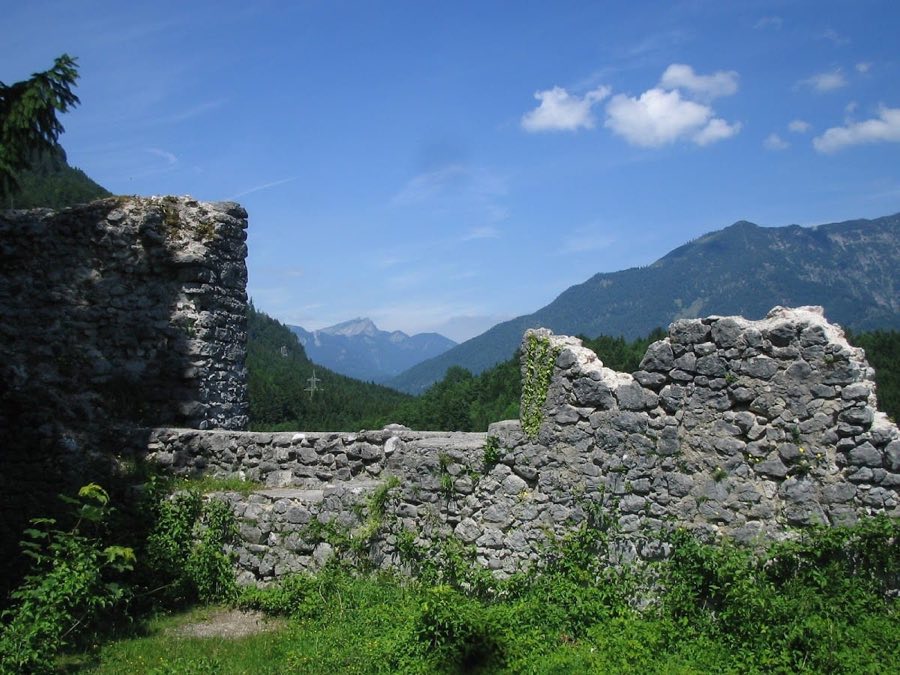
Burg Wildenstein
Austria
CastleRuin13th century
No. 51512
Palace · Austria
No. 51512 · 47.715 N, 13.621 E
For events
Kaiservilla Bad Ischl is marked as a château or castle venue lead. Capacity, indoor/outdoor spaces, catering rules, and accommodation options are published only after public verification.
Event types: Weddings, Private events, Cultural gatherings, Filming and photography
Ceremony spaces: Ceremony setting to verify
Quick summary
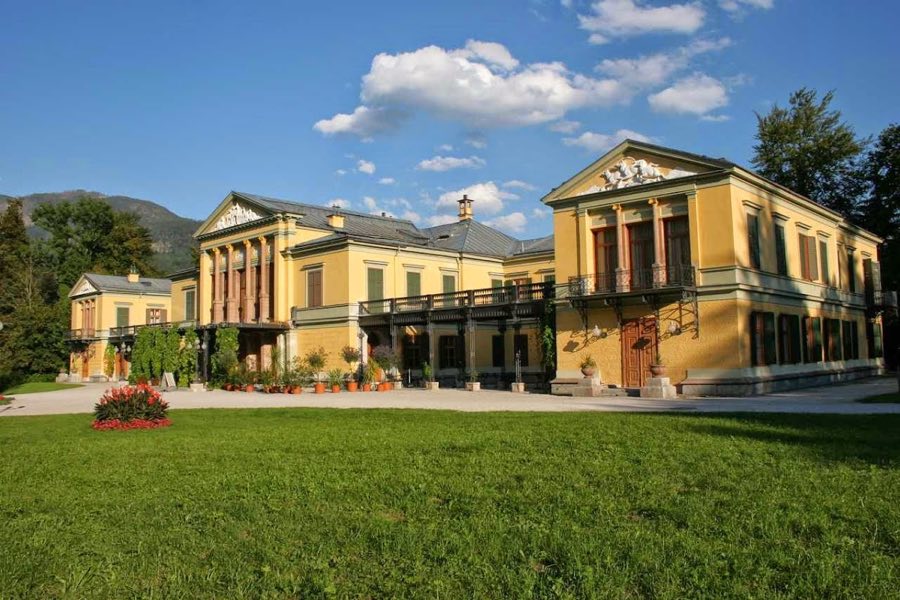
Kaiservilla Bad Ischl is a palace in Austria with origins associated with the 19th century.
See all castles in AustriaThe site presents a mid-19th-century villa set within a broad English‑style landscape park. The main house dates to 1834 and was transformed during the 1850s into a neoclassical composition that reached its present ensemble by 1860. The central portion of the building was extended toward the gardens so that the former rear facade became a formal entrance, articulated by classical columns and a triangular pediment. Two side wings were added at this time, producing an overall footprint that reads as the letter E when viewed from above.
The grounds were laid out as a naturalistic, English-style park by the court gardener Franz Rauch. The planting and paths incorporate the Jainzenberg hill, which is shaped with walkways, viewpoints, and areas that were used for hunting. The park survives in its early‑Historicism arrangement and remains a defining element of the property’s ensemble.
Several secondary buildings form part of the compound and its functioning estate. Close to the domestic service sector a small steam-driven power plant provided electricity beginning in 1890. The former kitchen and office building, the gardener’s house, and other outbuildings frame the practical operations of the estate and remain associated with the villa’s historic layout.
The Marmorschlössl, known in English as the Marble Cottage, stands within the park as a small retreat associated with Empress Elisabeth; it is executed in light-coloured stone and sits apart from the main building. In front of the villa’s central block a white‑marble fountain carved by Viktor Tilgner was installed in 1884 and serves as a sculptural focal point for the principal axis between house and garden.
Interior spaces with clear historical identifications include the audience room, the emperor’s study located in the west wing, and the chamber used by Franz Joseph as his bedroom. These rooms figure in the villa’s narrative and were specifically entered during the 1947 burglary. The ensemble of villa, park, the Marble Cottage, kitchen and gardener’s buildings, and later cultural-use structures together are protected as historic monuments, and the park is maintained in the character it acquired in the early phase of its 19th-century design.
No. 39449
No. 26589
No. 30227
No. 86456
Comments
Comments for Kaiservilla Bad Ischl will require a verified account before posting.
We'll send a verification link before your first comment is published.